GitHub and Yale Survey Reveals Developer Demand for Software Efficiency and Sustainability Tools
· GlobeWire Daily Editorial Desk · Source: github.blog
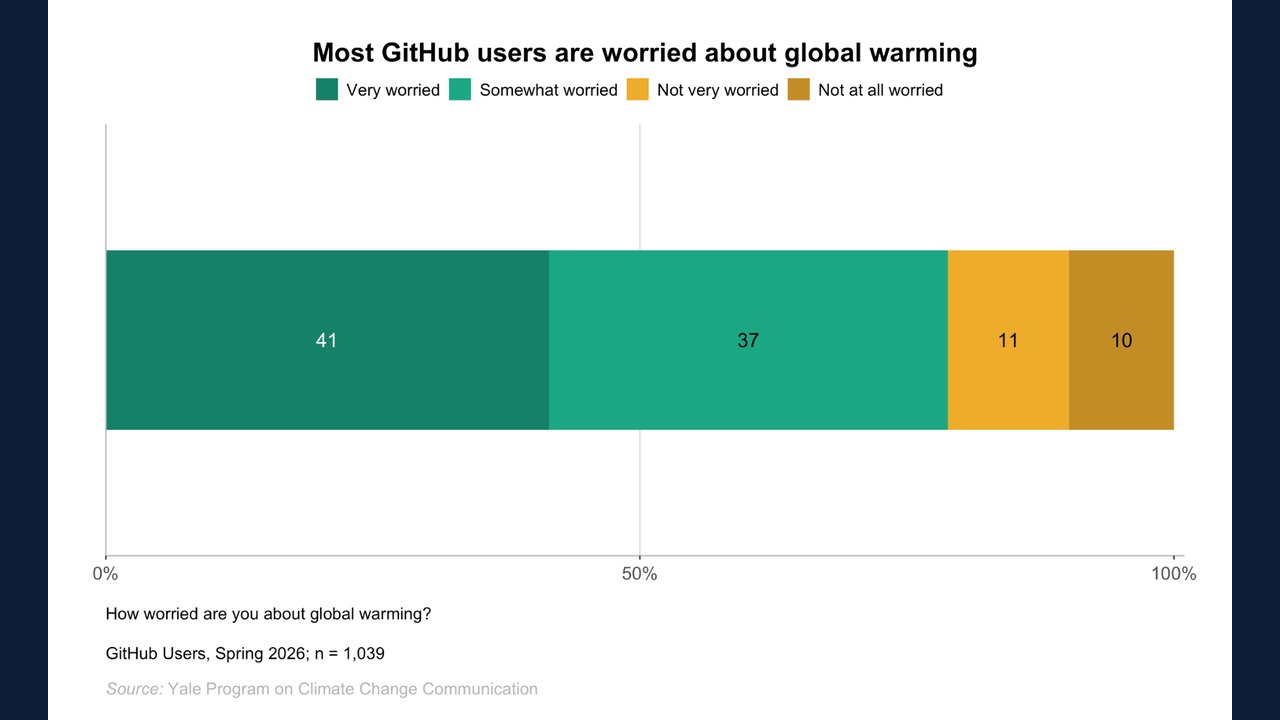
Image: Paull Young · Photo source · Resized and letterboxed to 16:9; no AI generation
A new survey published by GitHub and the Yale Program on Climate Change Communication reports that a significant majority of surveyed developers want better tools to measure and improve the energy efficiency of software. According to the report, which gathered responses from 1,039 GitHub active users in the United States, about 80% of respondents expressed interest in tools for writing energy-efficient code and learning best practices to reduce environmental footprints.
Survey Findings and Developer Sentiments
The research indicates strong concern among respondents regarding climate change and the environmental impacts of artificial intelligence systems:
- Climate Concerns: 79% of respondents reported worrying about global warming.
- AI Impact: 71% expressed concern over the environmental footprint of AI, encompassing energy consumption, water use, and carbon emissions.
- Organizational Goals: 75% stated it is important for their employers to actively work toward reducing environmental impact.
Readers should note that these findings reflect a non-probability sample of GitHub users who opted in to marketing emails. Consequently, the responses represent only the surveyed group rather than all developers universally, and responses differed from broader U.S. adult population samples surveyed by Yale.
Practical Steps for Efficiency
The survey highlights that while interest is high, many developers feel their daily work has only a small impact on reducing environmental footprints. Survey feedback pointed toward specific technical needs, such as estimating repository footprints and finding unnecessary GitHub Actions runs.
Engineering efficiency can begin by targeting visible areas of waste across four main pillars:
- Code: Addressing repeated computations, inefficient algorithms, and unoptimized allocations.
- Data: Managing unbounded queries, over-fetching, and missing caching strategies.
- Network and I/O: Reducing duplicate requests, oversized payloads, and unnecessary polling.
- Frontend: Eliminating unnecessary rendering and eagerly loaded off-screen assets.
Verification and Tools
To ensure reliability, developers are advised to back up claims with verifiable data. Metrics such as execution time, CPU utilization, memory allocation, and network transfer sizes serve as proxies for demand, though each has limitations. Automated tools, such as the open-source Daily Efficiency Improver workflow, can assist in scanning repositories for efficiency opportunities and generating draft pull requests. However, human maintainers remain responsible for reviewing evidence, testing changes, and deciding what ships.
To verify these findings, readers can review the full report on the official GitHub Blog and examine the methodology documentation provided by GitHub and the Yale Program on Climate Change Communication.
AI-assisted reporting; source claims are attributed and have not been independently verified.
More to read
 GitHub Updates Copilot Usage Metrics API to Include Additional Developer Tools
 GitHub Announces New Security Updates, Storage Architecture, and Developer Tools
 GitHub Developer Policy Update Covers Transparency Data and 2026 Legislative Trends
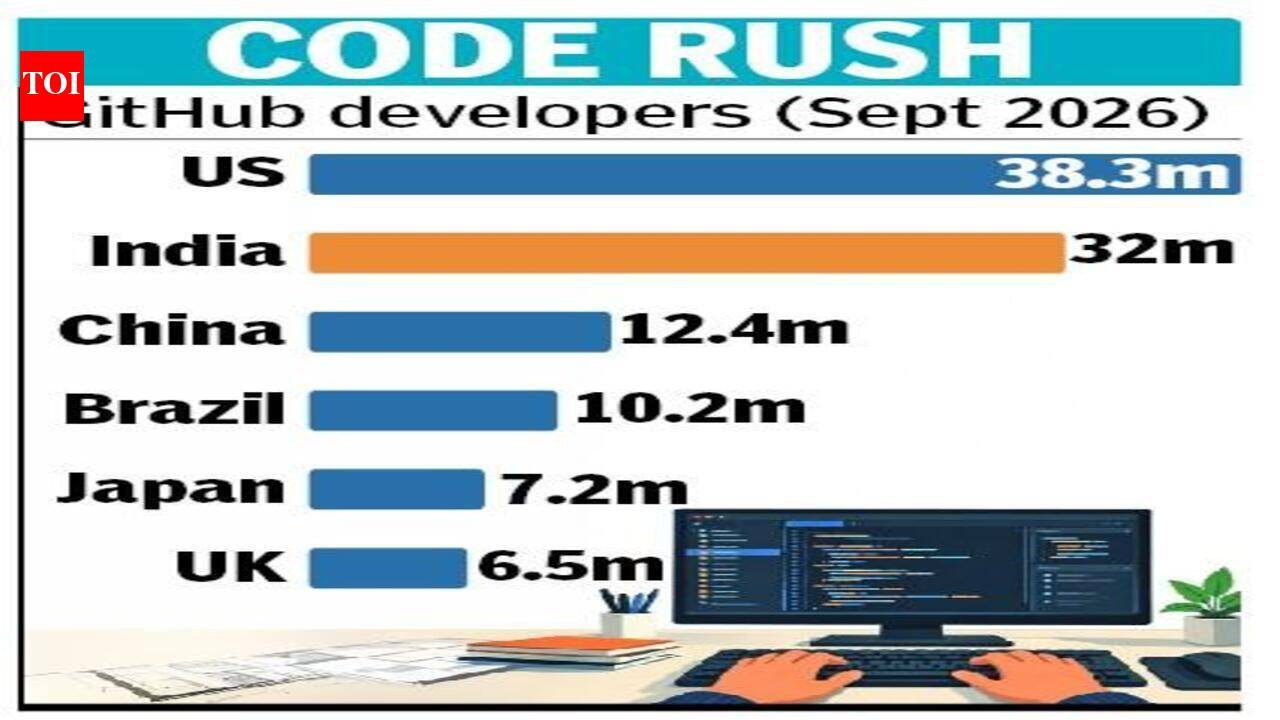 India’s GitHub Developer Community Surges to 32 Million
Trending on GlobeWire Daily
Selected from recent coverage and related topics; not live search rankings.
 Madhya Pradesh Government Plans Revenue Generation from 117-Year-Old Edward Villa in Mumbai Through Leasing
 iPhone 18 Pro Named TechRadar Product of the Year 2026
 Google Project Suncatcher Runs Gemma 4 AI on Orbiting Satellite and Receives First Response
 Gender Disparities in Eye Care Access Across India Examined
 Satellite Images Show Cyclone Arnab Weakening Over India As New System Brews
 Expanding Green and Blue Spaces Crucial for India's Economic and Public Health, Reports Indicate