James Pond 2: Codename RoboCod Recompiled to Native C++ with SDL3 – Widescreen, Smooth Motion, and Modern Features
· GlobeWire Daily Editorial Desk · Source: github.com
Image: GitHub · Photo source · Resized and letterboxed to 16:9; no AI generation
James Pond 2: Codename RoboCod, the 1991 Amiga classic by Chris Sorrell, has been fully recompiled from its original 68000 assembly into modern C++ using SDL3. The result is a standalone application that runs on Windows, macOS, Linux, Android, Steam Deck, and PlayStation 5 without an emulator.
Key enhancements:
- Widescreen rendering – the game’s graphics are redrawn to a 16:9 aspect ratio instead of being stretched, with score and lives moved to screen corners.
- Smooth motion – the original 50 fps logic is preserved, but intermediate frames are interpolated to match the display’s refresh rate (60, 90, 120 Hz+), eliminating the classic 50‑fps stutter.
- Modern audio – four Amiga sound channels are routed through a model of the Amiga 500’s filter (or the 1200’s), with optional stereo narrowing for headphones.
- Pause menu & saves – a full pause menu allows quick‑save, three save slots with thumbnails, and level selection.
- Controller support – Xbox, PlayStation, Nintendo, and Steam Deck controllers are mapped automatically, with rumble for hits, explosions, and screen shakes.
- Optional CRT filter – a soft or classic CRT scan‑line effect can be toggled.
The project requires a legal copy of the game: an Amiga disk image (.adf, .adz, or .zip). No game data is included in the repository. Installation steps differ per platform but generally involve downloading the release archive, extracting it, and launching the executable. The first run will prompt for the disk image; the image is then copied into the application folder.
Because the recompiler generates C++ code from the disk image on the user’s machine, the binary is unique to each copy of the game. This ensures that the original game logic remains intact while providing modern conveniences.
The project is released under the GNU GPL v3.0 and is not affiliated with the original rights holders.
AI-assisted reporting; source claims are attributed and have not been independently verified.
More to read
 Windows 11 Testing Native Internet Speed Test in Quick Settings, Moving Away from Browser Redirects
 Open-Source Project Brings Native-Style EV Routing to Hyundai and Kia Gen5W Head Units on Android Auto
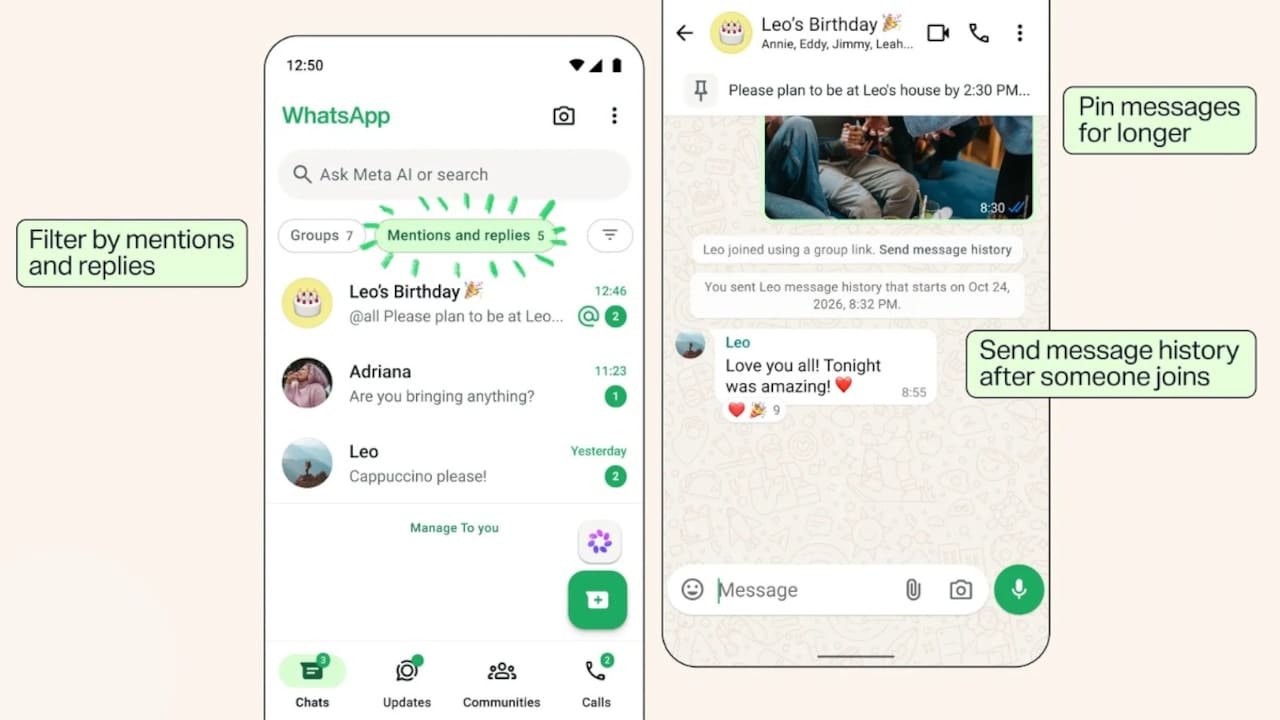 WhatsApp Announces Four New Features for Group Chats
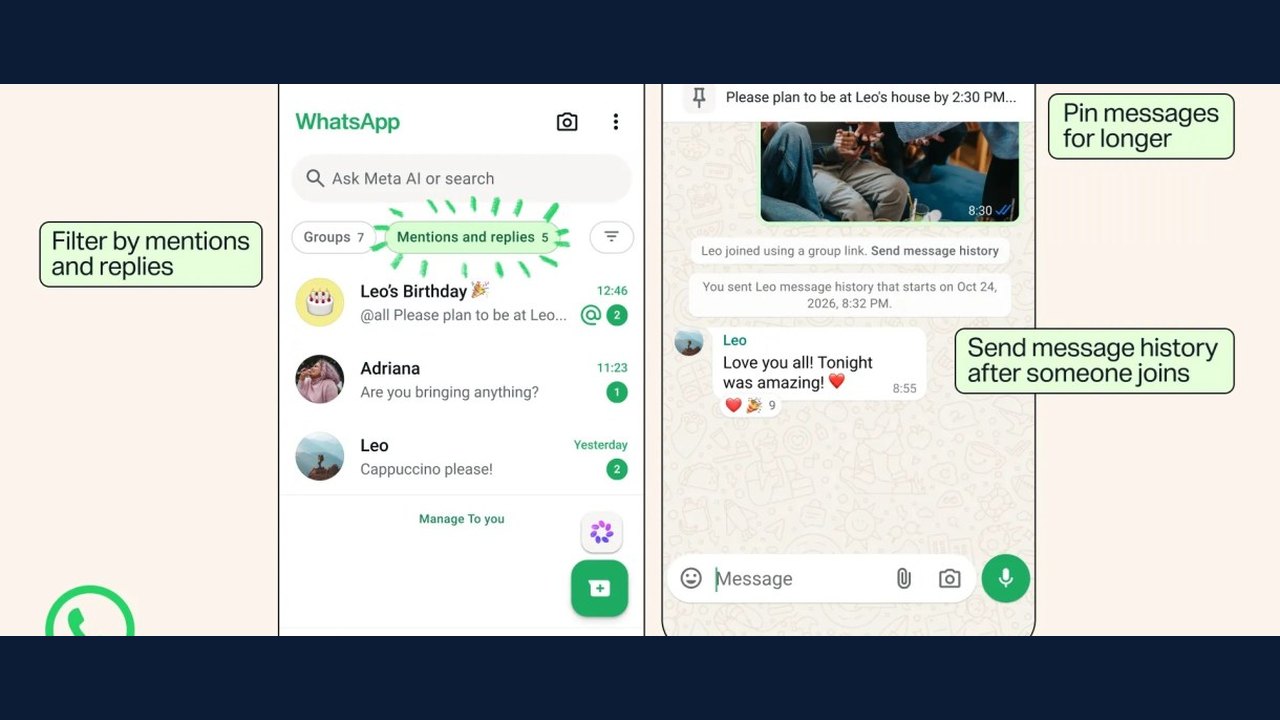 WhatsApp Introduces Group Status and Enhanced Chat Management Features
Trending on GlobeWire Daily
Selected from recent coverage and related topics; not live search rankings.
 Madhya Pradesh Government Plans Revenue Generation from 117-Year-Old Edward Villa in Mumbai Through Leasing
 iPhone 18 Pro Named TechRadar Product of the Year 2026
 Google Project Suncatcher Runs Gemma 4 AI on Orbiting Satellite and Receives First Response
 Gender Disparities in Eye Care Access Across India Examined
 Satellite Images Show Cyclone Arnab Weakening Over India As New System Brews
 Expanding Green and Blue Spaces Crucial for India's Economic and Public Health, Reports Indicate