Choosing the Right Solar Panel Type for Your Home: Efficiency, Cost, and Practical Fit
· GlobeWire Daily Editorial Desk · Source: www.engadget.com
Summary
Homeowners often assume that the most efficient solar panel is automatically the best buy, but roof layout, budget, and backup‑power goals also shape the decision. Below is a fact‑based guide that separates confirmed data from reported claims and highlights what to verify before signing a contract.
How Panel Technology Affects Output
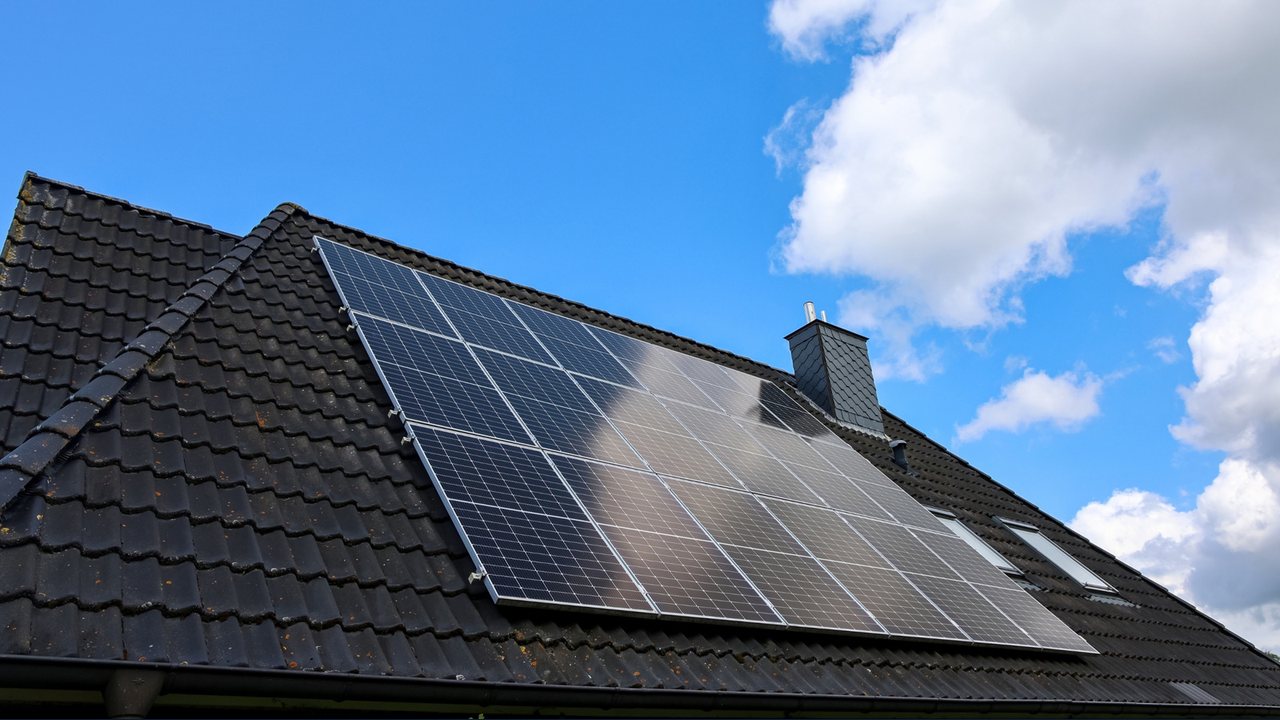
- Monocrystalline panels – built from a single silicon crystal, they deliver the highest power density (more watts per square foot). Modern cells use TOPCon, HJT or PERC technologies to push efficiencies above 20 % (e.g., Q‑Cells n‑type Q.TRON BLK M‑G2+ at 22.5 % and Tesla’s 420 W residential module at 20.5 %).
- Polycrystalline panels – cheaper where available but require more roof area for the same output because they have lower efficiency.
- Thin‑film panels – lightweight and sometimes flexible, but they are rarely the first choice for conventional pitched roofs due to lower efficiency.
Confirmed: Monocrystalline panels provide the highest power per square foot. Reported: Specific model efficiencies (Q‑Cells, Tesla) are based on manufacturer data; real‑world output also depends on panel size and installation conditions.
The 20 % Rule and System Sizing
Experts advise sizing a residential system to produce roughly 20 % more electricity than the household’s average consumption. This buffer helps cover cloudy days and seasonal variations. The rule of thumb does not replace a professional site assessment, which must also consider:
- Shading from skylights, chimneys, trees, or neighboring structures.
- Roof orientation and tilt.
- Local utility rates for net‑metered surplus energy.
Cost Landscape (2026 Q2)
- The Solar Energy Industries Association (SEIA) reported an average U.S. residential price of $3.36 per watt.
- Example: a 5.1 kW system installed for about $24,000, including permits and inspections.
- The federal residential clean‑energy tax credit expired for installations completed after December 31, 2025, though state or local incentives may still apply.
What to Compare in Quotes
Instead of focusing on the wattage printed on a panel, compare:
- Projected annual electricity production (kWh) for your roof’s specific orientation.
- Total installed cost (including inverters, mounting hardware, labor, permits, and any roof repairs).
- Warranty terms – performance guarantees over 25 years are common; degradation rates matter more than upfront price.
Backup Power Considerations
If the primary goal is emergency power rather than full‑time grid offset, a portable power station paired with a single panel may be sufficient. Brands such as Anker SOLIX, Jackery, BLUETTI, and EcoFlow offer units that can run essential appliances during outages.
How to Verify the Original Announcement
- Check the SEIA quarterly market report for the latest average cost per watt.
- Review the U.S. Department of Energy’s solar calculator to model your roof’s potential output.
- Confirm any state or local incentives on official government websites before relying on advertised savings.
--- *All figures are drawn from the Engadget article dated 2026 and publicly available industry reports. No original reporting is claimed.*