Should Your Car Engine Be Hot or Cold for an Oil Change?
· GlobeWire Daily Editorial Desk · Source: www.carscoops.com
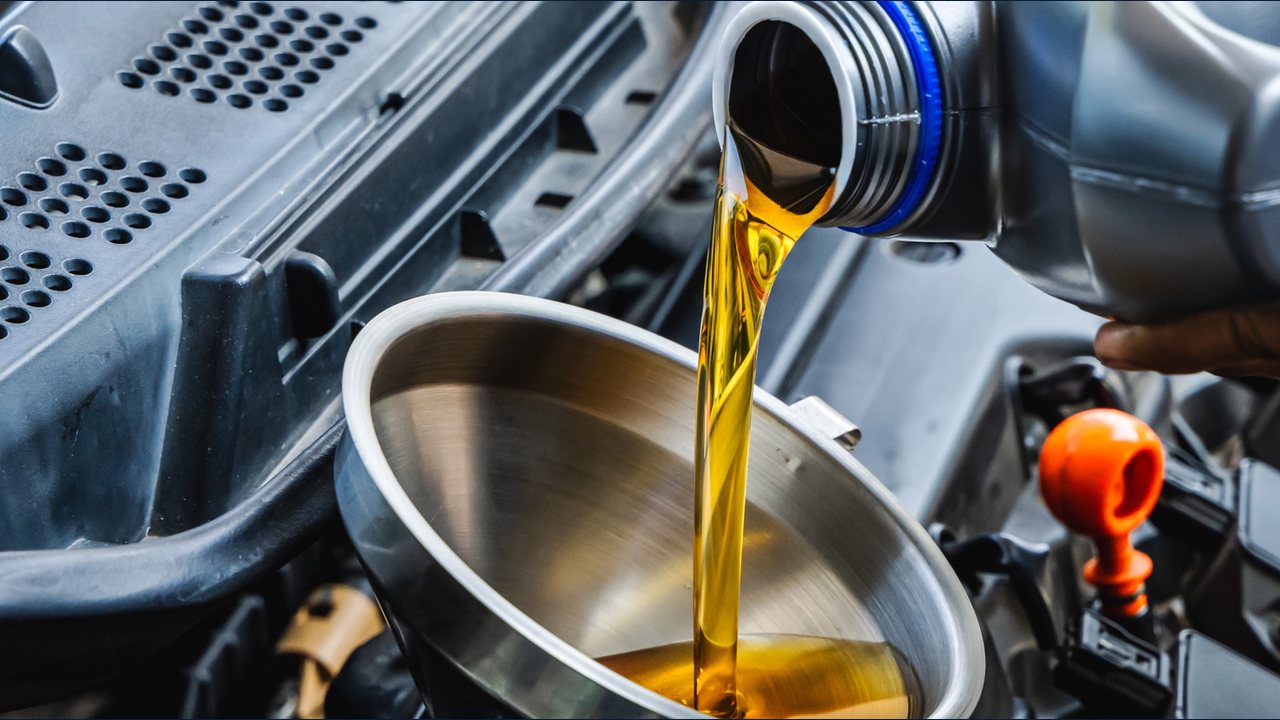
When performing a routine oil change, vehicle owners often consider oil capacity, oil types, and whether to replace the filter, but the temperature of the engine oil is another factor to keep in mind. Industry insights suggest that the ideal engine temperature for draining oil is neither completely hot nor freezing cold, but rather warm.
Why Warm Oil Is Recommended
Experts from lubricant companies and automotive brands generally advise draining engine oil while it is warm for several practical reasons:
- Faster Flow: Warm oil flows more freely, which helps the fluid drain more quickly than cold oil.
- Contaminant Suspension: Dirt, sediment, and debris are more effectively suspended in warm, circulated oil rather than settling in engine crevices or sticking to the bottom of the oil pan.
- Cleaner Draining: Cold oil can leave behind trapped sediment that may contaminate the fresh oil when added.
Safety Precautions and Verification
While a warm engine aids maintenance, caution is required to prevent accidental burns.
- Cooling Periods: Mopar guidelines suggest warming up an engine for two to five minutes if it is completely cold, or letting a hot engine cool down for 20 to 30 minutes to a safe, warm state.
- Protective Gear: Mechanics and DIY owners should use appropriate safety gear, such as protective gloves, and ensure the vehicle has been turned off long enough to manage fluid temperatures safely.
Vehicle owners should consult their specific manufacturer manuals and official service documentation to verify proper maintenance procedures before starting any work.