Does Hitting The Redline Hurt Your Engine? Here's What Really Happens
· GlobeWire Daily Editorial Desk · Source: www.carscoops.com
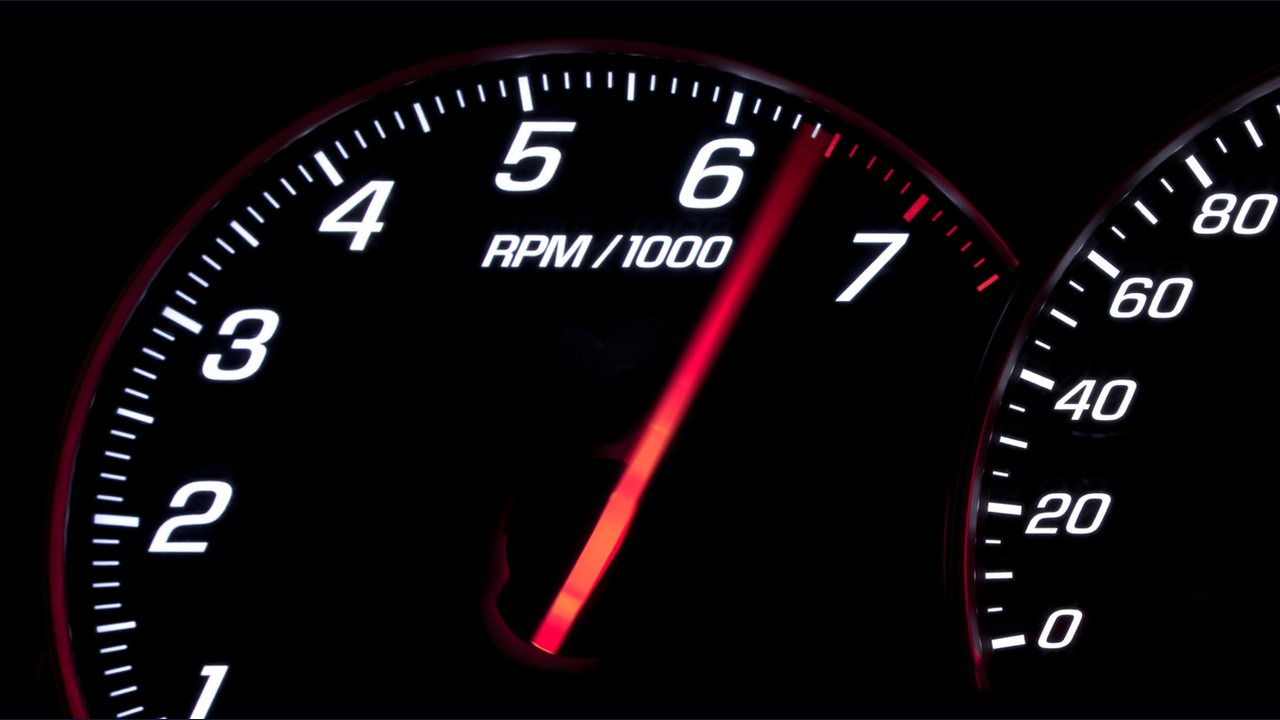
Pushing an engine close to its redline offers an addictive mix of sound, vibration, and excitement for driving enthusiasts. However, understanding what actually happens inside a motor during high-rev operation helps clarify the risks and realities of visiting the red zone.
The Risks of Overspeeding and Cold Engines
Going beyond the redline is strongly discouraged. Overspeeding an engine risks valve float, where valves can strike pistons. It can also cause irreversible damage to connecting rods and crankshaft bearings due to extreme internal forces and oil starvation. While modern vehicles feature rev limiters to prevent over-revving during upshifts, a premature downshift can bypass these protections, potentially resulting in expensive engine rebuilds.
Additionally, manufacturers and mechanics warn against redlining a cold engine. Engine oil requires time to reach operating temperature to provide proper lubrication for high-rev conditions. Studies indicate oil can take nearly twice as long to warm up as engine coolant.
Wear, Tear, and the "Italian Tune-Up"
According to industry guidance from manufacturers like Ford, occasional high-rev trips on a healthy, well-maintained engine with warm oil are generally acceptable. However, higher revolutions introduce additional heat and stress, accelerating component wear compared to moderate driving. Sitting near the redline continuously for extended distances is discouraged.
Regarding whether high revs clean the engine—a concept historically known as the "Italian tune-up" meant to burn off deposits—automotive analysis suggests limited effectiveness for modern vehicles. While research indicates that sustained high temperatures under heavy load can burn off deposits on pistons and exhaust valves, normal road driving typically does not generate sufficient sustained heat near the redline to affect intake valves. Furthermore, experts warn that working direct-injected engines harder may actually increase carbon buildup rather than reduce it.
Practical Implications and Verification
- Check your vehicle owner's manual for manufacturer-specific guidance on engine break-in periods and operating limits.
- Ensure engine oil and coolant temperatures reach normal operating ranges before engaging in spirited driving.
- Maintain regular service intervals and fresh lubrication to support engine health.
- Verify technical claims regarding carbon deposits by reviewing engineering breakdowns and independent automotive research.