US Midterms 2026: What Happens Before the New Congress Takes Office?
· GlobeWire Daily Editorial Desk · Source: www.aljazeera.com
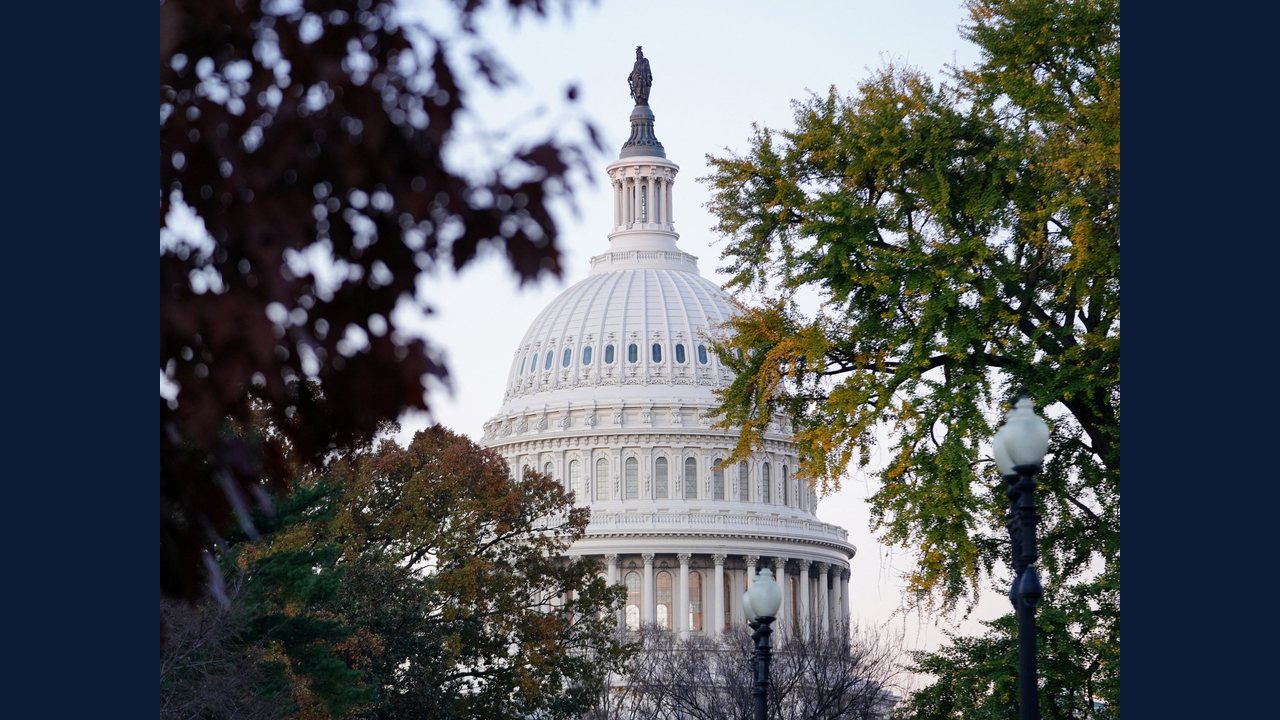
Following the 2026 United States midterm elections, election officials are currently finalising and certifying results across various states. While Democrats have won control of both houses of Congress, the newly elected lawmakers prepare to take office, and the outgoing Congress continues its legislative duties.
The Lame-Duck Session and Legislative Timeline
On November 9, the existing Congress returned to Washington for a lame-duck session. During this period, Republicans maintain a majority in both chambers and can continue passing legislation until the new Congress takes office in January.
Key dates and milestones reported include:
- November–December: Newly elected members attend orientation sessions in Washington, hire staff, and learn congressional operations.
- December 1: A scheduled leadership vote among Senate Democrats, where Senator Chris Van Hollen is challenging current Senate Minority Leader Chuck Schumer for the position of Senate majority leader.
- December 11: A critical government funding deadline. Congress previously passed a temporary continuing resolution, and lawmakers must approve another measure to avoid a potential partial federal government shutdown.
- December 17–18: The House's and Senate's planned final sitting days before the Christmas holidays, though lawmakers could stay longer if major issues remain unresolved.
Leadership and Strategic Shifts
Political parties are actively choosing their leaders. While Republicans have re-elected John Thune as their Senate leader, the Democratic leadership contest reflects internal discussions about methods and party direction. Strategists note that both parties face broader questions regarding their political futures following the midterms.
January 2027: Transition of Power
The 120th Congress is scheduled to start its term at noon on January 3, 2027. Because January 3 falls on a Sunday, Congress could pass a law to set a different date for the first meeting. Once convened, lawmakers will elect a House Speaker, swear in new members, and establish committee leadership.
With Democrats controlling both chambers, they will gain authority over congressional committees and legislative priorities, and hold subpoena power for investigations. However, President Donald Trump remains in office and retains veto power, meaning that major policy changes will require negotiation or a two-thirds majority override.
More to read
 Cold weather gives way to heavy rain as Met Office issues warning for south-west England
 Starling Murmurations Captivate Birdwatchers as New Survey Tracks Changes Over a Decade
 Mexican Special Forces Arrest Alleged Cartel Boss Fausto Isidro Meza-Flores in Sinaloa
 Renowned Journalist and Lost Lives Author David McKittrick Dies