Why Desktop PC Cases Often Feature Tempered Glass Walls And Their Trade-offs
· GlobeWire Daily Editorial Desk · Source: www.engadget.com
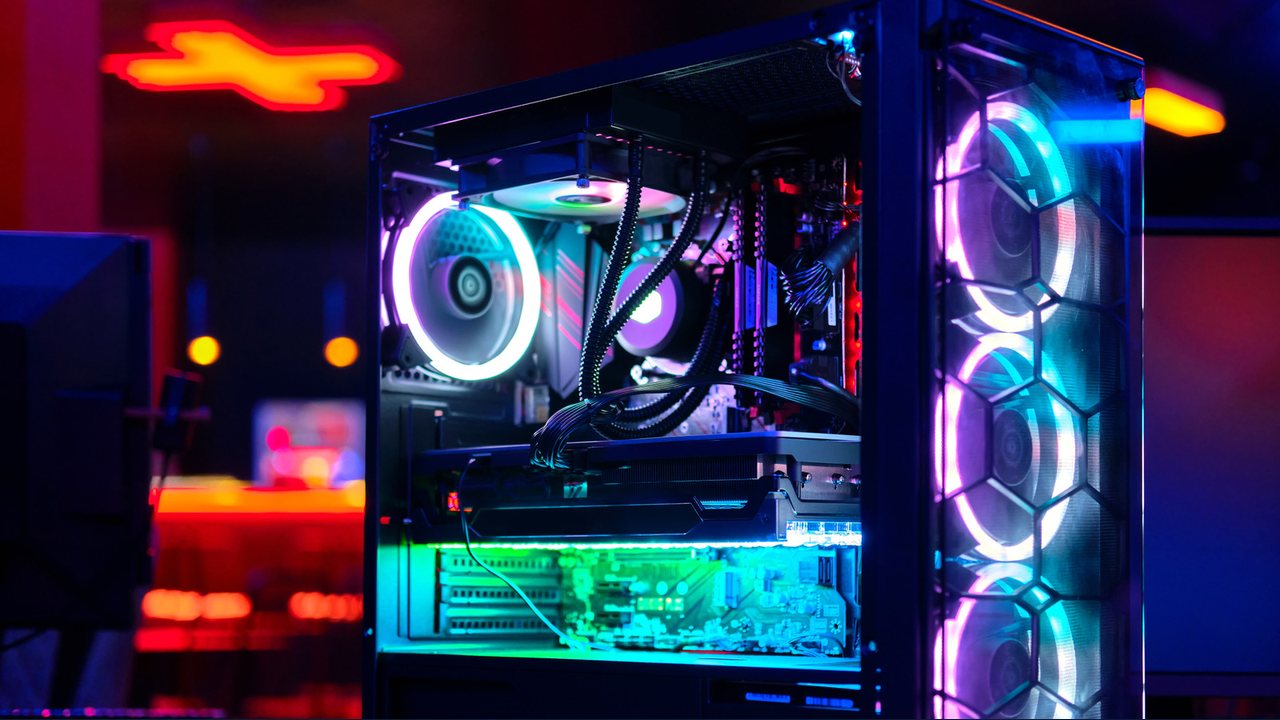
Tempered glass panels have become a popular feature in custom desktop PC gaming rigs, primarily driven by the desire to showcase expensive hardware components like high-end graphics cards and intricate RGB lighting setups. While these transparent panels offer aesthetic appeal and practical visibility, reports indicate they come with specific trade-offs, including potential handling risks and maintenance considerations.
According to reported insights from PC building culture, transparent side panels allow users to display costly parts, such as powerful GPUs and liquid-cooling systems featuring CPU pump displays. Beyond aesthetics, visible panels can serve a functional purpose by letting users quickly inspect internal components, check for dust accumulation, or verify whether fans and cables are operating without physical obstructions.
Design Standards and Layouts
- Standard ATX Configuration: In most typical ATX tower designs, the motherboard is mounted on the right side, placing the visible components facing the left panel.
- Alternative Options: While reversible cases exist for specific layout needs, they represent a niche segment within the broader PC hardware market.
Potential Downsides and Practical Considerations
- Durability and Handling: Tempered glass is designed to be tough, but it can break if mishandled, particularly during frequent component upgrades or maintenance.
- Cable Management: Achieving a clean aesthetic requires careful wire routing; dual-chamber cases can help conceal untidy power supply and motherboard leads, whereas standard cases demand more time for effective cable hiding.
- Weight and Maintenance: Glass panels add extra weight compared to plastic alternatives and tend to accumulate fingerprints and grime, requiring regular cleaning with a microfiber cloth.
Practical implications suggest that while glass-paneled cases suit enthusiasts who enjoy displaying their hardware, minimalists or users wanting low-maintenance setups might prefer alternative designs. Readers looking to verify specifications or choose a case should consult manufacturer documentation and independent hardware reviews.