As US Midterms Approach, Farmers Weigh Planting Choices and Political Votes Amid Rising Costs
· GlobeWire Daily Business Desk · Source: www.aljazeera.com
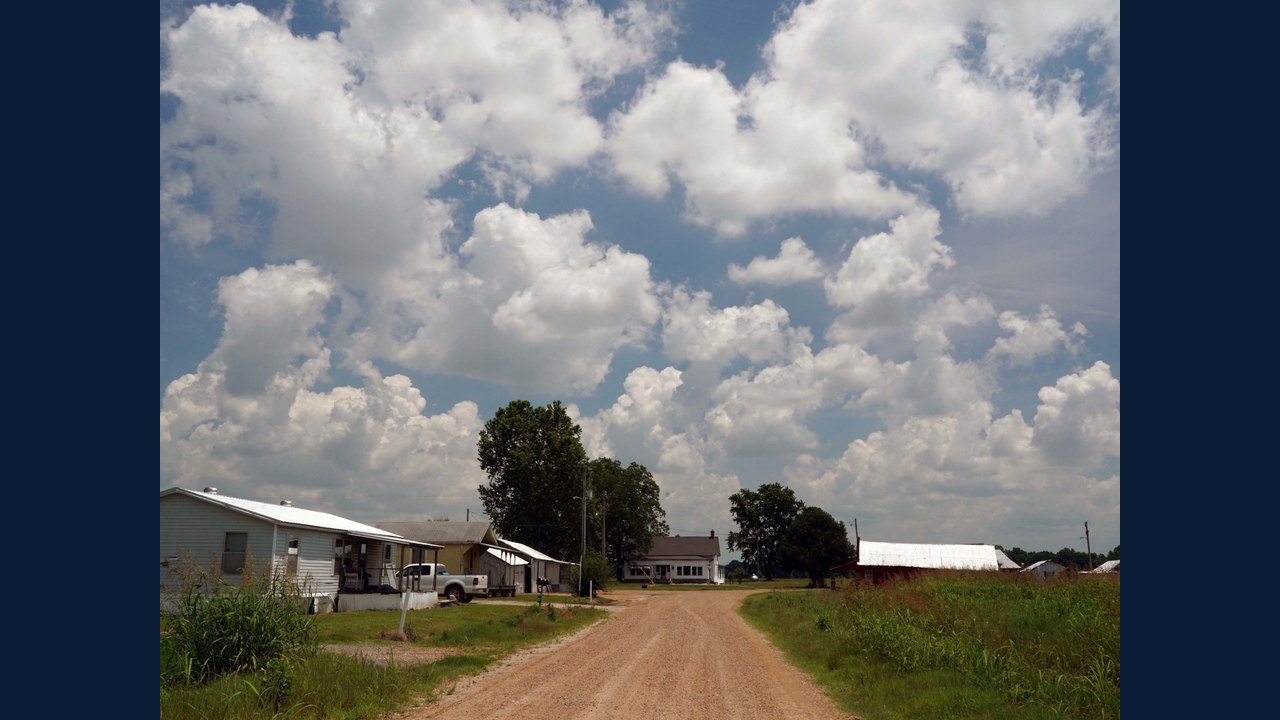
Image: Meg Duff · Photo source · Resized and letterboxed to 16:9; no AI generation
As the 20th US midterm elections approach, American farmers are facing difficult economic choices regarding crop planning and political voting. Rising fuel and fertiliser costs, exacerbated by the war on Iran, trade disruptions, tariffs, and a heartland drought, have significantly increased operational expenses. In Arkansas, these pressures have driven rice acreage to its lowest level since the 1970s as farmers pivot toward cheaper alternatives like soya.
Economic strain is also influencing political dynamics. While many rural areas remain reliably Republican, some experts and polling data suggest potential shifts as voters react to economy-wide high prices. Democratic candidates, including former farmer Hallie Shoffner challenging Republican Senator Tom Cotton in Arkansas, are centering their campaigns on rising costs and agricultural sustainability.
Economic Pressures on Farms
Farmers across the United States report severe financial impacts from soaring input costs:
- Fertiliser and Fuel Spikes: Extension economist Ryan Loy of the University of Arkansas noted that urea fertiliser peaked about 39 percent over budget, while diesel costs averaged roughly 72 percent higher than budgeted across the planting, growing, and harvesting seasons.
- Statewide Costs: In Arkansas alone, these increased input expenses represent an estimated additional economic hit of approximately $343m.
- Bankruptcies: National Agricultural Law Center data indicates that farm bankruptcies for the first three quarters of 2026 rose 19 percent compared to the previous year and 73 percent compared to 2024.
Government Relief and Political Context
Last week, President Donald Trump announced an $8bn fuel relief programme for farmers, following a $12bn tariff-related aid package in 2025. Economists and farmers note that while relief funds are welcomed, they cover only a fraction of total incurred extra costs. Meanwhile, political analysts observe that although economic pain and recent polling indicate some voter swayability, many rural voters maintain strong partisan commitments, and well-funded incumbent campaigns retain significant resource advantages.
Practical Implications and Verification
- Crop Planning: Agricultural extension offices provide updated enterprise budgets and advisories to help producers calculate input-intensive versus lower-cost crop rotations.
- Election Tracking: Voters and analysts can review nonpartisan polling data from institutions like Purdue University and the Farm Journal, alongside official campaign finance disclosures, to track political shifts and candidate platforms.
- Original Announcements: Official federal agricultural relief guidelines and policy details can be verified directly through announcements issued by the United States Department of Agriculture.
AI-assisted reporting; source claims are attributed and have not been independently verified.
More to read
 Corporate Tax Avoidance and Rising Consumer Costs Spark Economic Concerns
 Home Loan Strategies: How Rising Interest Rates Affect EMI and Tenure Choices
 Stigmatized 'Jiko Bukken' Properties Draw Bargain Hunters in Japan Amid Rising Costs
 Federal Reserve Leaves Interest Rates Unchanged Amid Rising Inflation Ahead of Midterms
Trending on GlobeWire Daily
Selected from recent coverage and related topics; not live search rankings.
 Madhya Pradesh Government Plans Revenue Generation from 117-Year-Old Edward Villa in Mumbai Through Leasing
 iPhone 18 Pro Named TechRadar Product of the Year 2026
 Google Project Suncatcher Runs Gemma 4 AI on Orbiting Satellite and Receives First Response
 Gender Disparities in Eye Care Access Across India Examined
 Satellite Images Show Cyclone Arnab Weakening Over India As New System Brews
 Expanding Green and Blue Spaces Crucial for India's Economic and Public Health, Reports Indicate