Chancellor John Healey Delivers First Budget Focusing on Cost of Living and Fiscal Rules
· GlobeWire Daily Business Desk · Source: www.theguardian.com

Image: the Guardian · Photo source · Resized and letterboxed to 16:9; no AI generation
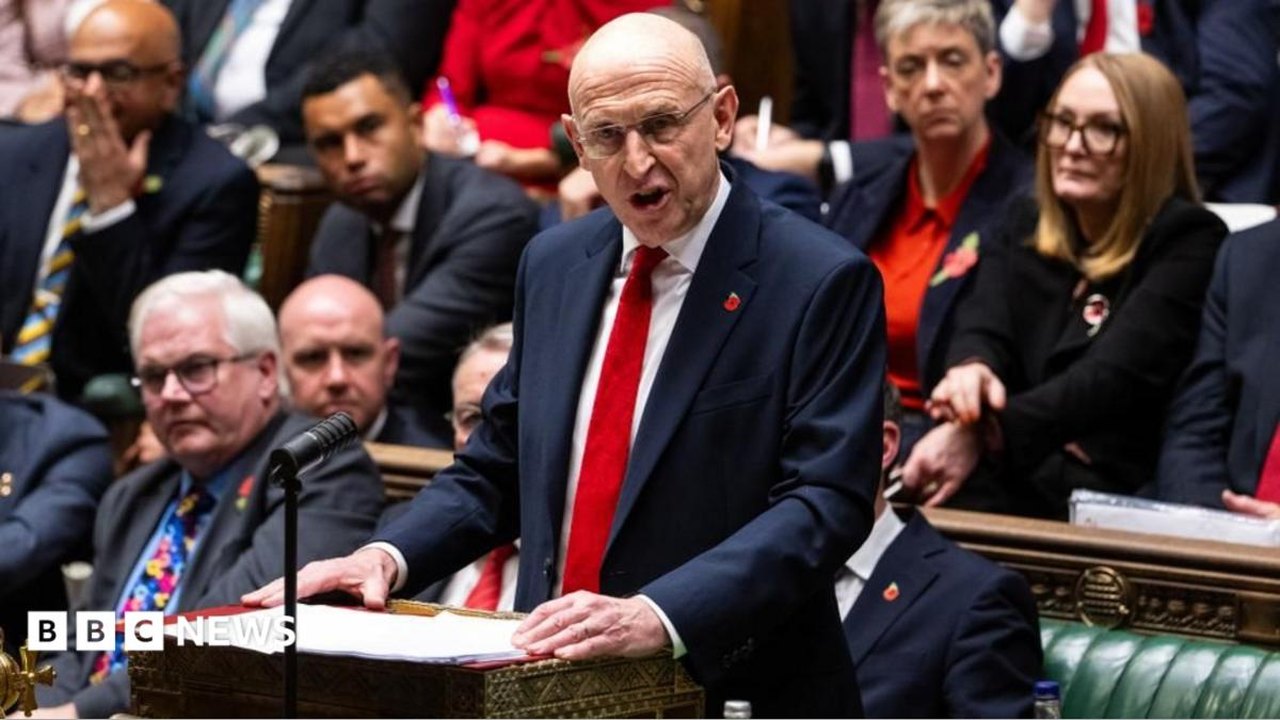
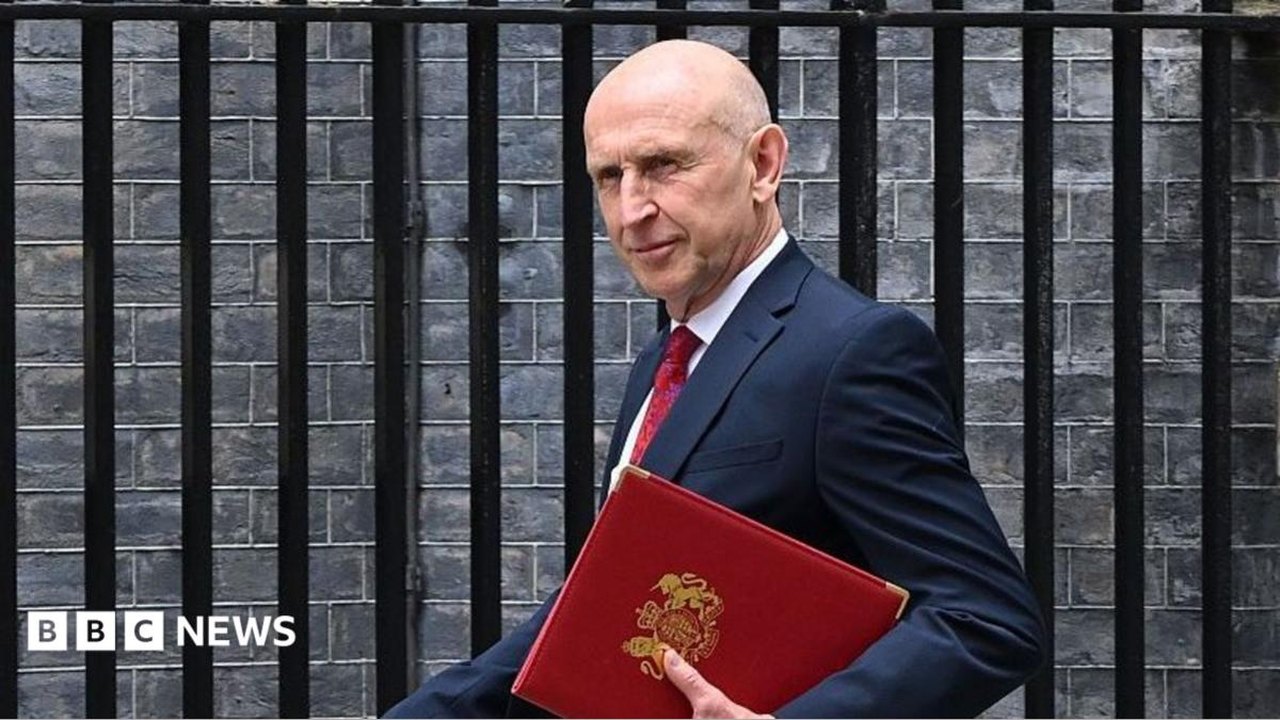
Chancellor John Healey delivered his first budget, setting out measures aimed at navigating global economic pressures while targeting cost-of-living challenges. Healey stated that the fiscal plan prioritises fiscal discipline amid international uncertainties, including trade tensions and the war in Iran. Official forecasts and reported policy measures outline several key changes affecting households, businesses, and public finances.
Economic Forecasts and Fiscal Rules
- Growth Projections: The Office for Budget Responsibility (OBR) projects GDP growth of 1.2% this year, 1% next year, 1.6% in 2028, 1.8% in 2029, 1.7% in 2030, and 1.6% in 2031.
- Borrowing and Debt: Government borrowing is forecast at 4.2% of GDP this year, tapering to 1.8% by 2030–31. Government debt is projected at 83.2% of GDP this year, rising to 83.8% next year before gradually declining.
- Headroom: The OBR reported projected government headroom of £15bn in 2029–30 and £22bn in 2030–31.
Household Support and Energy Measures
- Energy Payments: Twenty million households in council tax bands A to D are expected to receive a direct £100 energy payment, at a stated cost of £2.6bn.
- Bills and Standing Charges: The government confirmed the abolition of standing charges on gas bills for 23 million homes and an extension of a VAT cut on energy through to July.
- Wages and Allowances: Both the national minimum wage and the national living wage are confirmed to rise by 3.9% in April. Additionally, self-employed fathers will become eligible for paternity leave pay.
Taxation and Business Changes
- Bank Surcharge: Banks will face a temporary 6% bank surcharge for 15 months starting in January, up from 3%.
- Business Rates: The small business rate relief threshold for retail, hospitality, and leisure businesses will increase from £12,000 to £18,000.
- Property and Savings: Rates of tax on income from property and savings are scheduled to increase by two percentage points from April 2027.
- Fuel and Tariffs: Fuel duty is frozen for the 16th consecutive year, and import tariffs on more than 100 products—such as baked beans, chocolate, and gherkins—are set to be removed.
Verification and Practical Implications
Citizens, business owners, and local authorities can review official Treasury documents and the full OBR economic and fiscal outlook report published alongside the announcement to verify specific implementation timelines and eligibility criteria. Readers should consult official government portals for updates as legislative proposals proceed through parliament.
AI-assisted reporting; source claims are attributed and have not been independently verified.
More to read
 Chancellor John Healey Unveils £100 Energy Bill Support and Bank Tax Hike in First Budget
 Chancellor John Healey's Upcoming Budget to Feature £1bn for Social Housing and Regional Devolution
 UK Chancellor John Healey Faces Delicate Balancing Act Ahead of Wednesday Budget Amid Global Market Pressures
 UK Budget 2026: Chancellor John Healey Buys Breathing Space as Tax Burden Rises to Historic High
Trending on GlobeWire Daily
Selected from recent coverage and related topics; not live search rankings.
 Madhya Pradesh Government Plans Revenue Generation from 117-Year-Old Edward Villa in Mumbai Through Leasing
 iPhone 18 Pro Named TechRadar Product of the Year 2026
 Google Project Suncatcher Runs Gemma 4 AI on Orbiting Satellite and Receives First Response
 Gender Disparities in Eye Care Access Across India Examined
 Satellite Images Show Cyclone Arnab Weakening Over India As New System Brews
 Expanding Green and Blue Spaces Crucial for India's Economic and Public Health, Reports Indicate