Chancellor Outlines New Tax and Spending Measures in Latest Budget
· GlobeWire Daily Business Desk · Source: www.bbc.co.uk
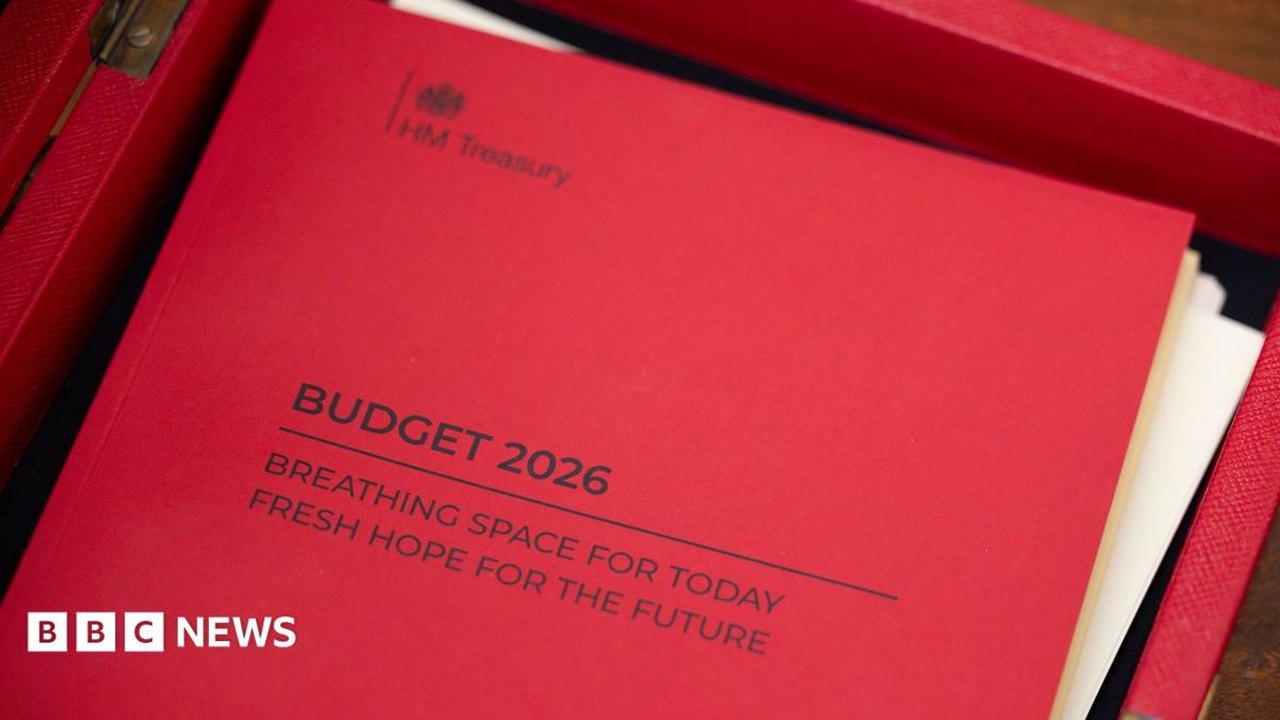
Image: https://www.facebook.com/bbcnews · Source image rights not independently verified · Photo source · Cropped to 16:9; original source image
Overview of Government Fiscal Changes
Chancellor John Healey has unveiled the latest government Budget, introducing a series of shifts in tax policy, energy subsidies, and public spending. The measures aim to address household costs, support specific industries, and adjust national debt projections.
Household Support and Cost of Living
- Energy Payments: A one-off £100 payment will be issued to households in council tax bands A-D in England, with equivalent funding planned for Scotland, Wales, and Northern Ireland.
- Energy Bills: The government intends to remove fixed daily standing charges from household gas bills in England, Scotland, and Wales, reallocating these costs to unit rates. Additionally, the VAT cut on electricity is extended through July.
- State Pensions: Under the triple lock policy, the new flat-rate state pension is set to increase by £488 annually (approximately 3.9%) starting in April.
- Minimum Wage: The legal minimum wage is scheduled to rise by 3.9% in April.
Business and Economic Measures
- Business Rates: The threshold for business rates in England is set to increase from £12,000 to £18,000. However, specific sectors, including vape shops and adult gaming centres, will no longer qualify for certain relief.
- Banking Surcharge: The surcharge on bank profits will rise from 3% to 6% for a 15-month duration beginning in January.
- Online Retail: Marketplace platforms such as eBay, Amazon, and Temu will take on responsibility for collecting VAT owed by sellers operating through their sites.
- Energy Intensity: A scheme to provide a 25% reduction on electricity bills for 10,000 energy-intensive businesses is set to launch in April.
Economic Forecasts
The Office for Budget Responsibility (OBR) has adjusted its outlook, predicting economic growth of 1.2% this year, though it expects growth to slow to 1% in the coming year. Inflation forecasts have been raised, with projections averaging 3.1% this year and 3.4% in 2027 before returning to a 2% target by 2028. Government borrowing is expected to remain higher than previous forecasts, while national debt is projected to reach 97% of GDP by 2028/29.
Verification
Citizens can verify specific details regarding eligibility and implementation timelines by consulting the official government website or relevant departmental publications. Further analysis of the Budget’s impact on individual households is typically available through the Treasury’s policy documentation.
AI-assisted reporting; source claims are attributed and have not been independently verified.
More to read
 Why 'Doomspending' is Reshaping Financial Habits Among Younger Australians
 OlloBot Targets Emotional Connection in Home Robotics Following IFA Berlin Success
 UK Budget Announces £100 Energy Support Payment for Households
 Matt Robertson Wins Record $1.25 Million at Inaugural World Bass Enterprises Tournament
Trending on GlobeWire Daily
Selected from recent coverage and related topics; not live search rankings.
 From Hyrule to Horror: Zelda Characters with Spine-Chilling Potential
 Pakistan Secures Tri-Series Title With Historic ODI Chase
 From Bristol Roots to Prime Time: The Rise of Maya Jama
 Ayesha Curry Faces Public Scrutiny Following Trailer Release for 'Second Chance Holiday'
 Box Office Update: 'You Can See Everything' and 'Clayface' Battle for Top Spot Over Sluggish Halloween Weekend
 Evacuees from Russian-occupied Oleshky reunited with families in Chernihiv