Green Vegetable Prices Show Stark Contrasts Across Indian Villages and Metros
· GlobeWire Daily Business Desk · Source: www.livehindustan.com
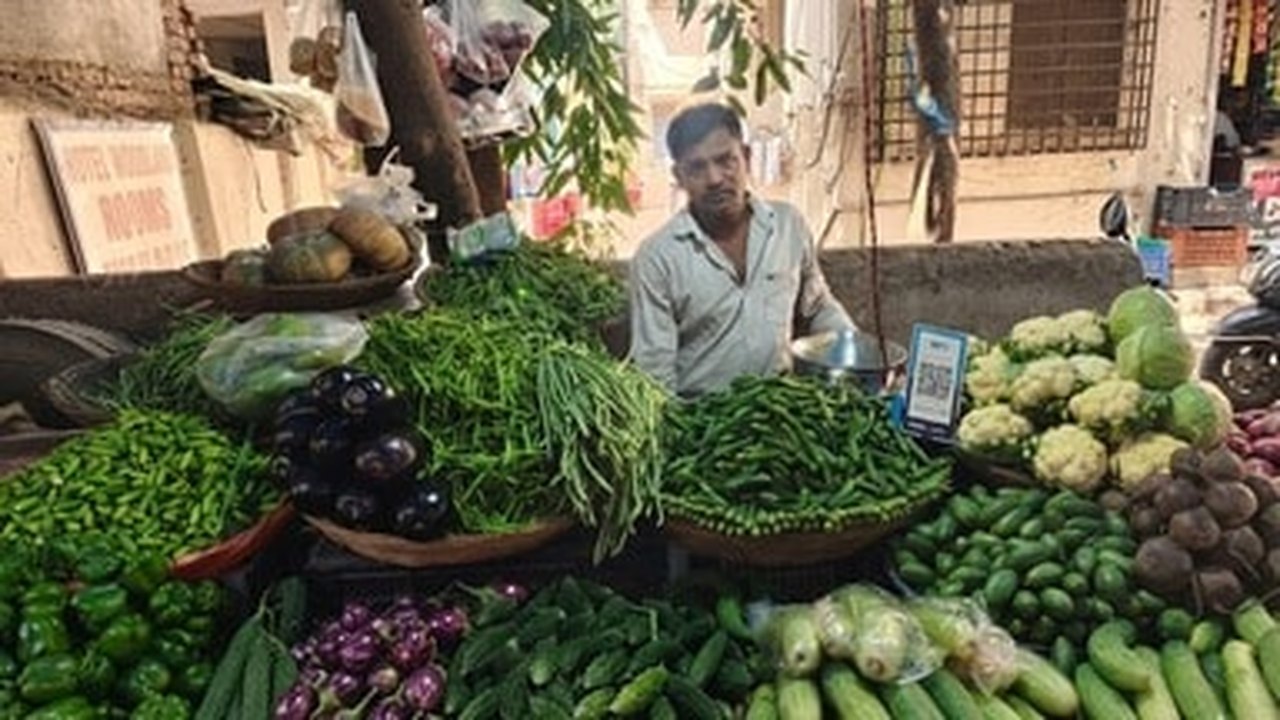
Image: www.livehindustan.com · Photo source · Resized and letterboxed to 16:9; no AI generation
A recent market overview highlights wide price variations for green vegetables across rural and metropolitan areas in India. Reports indicate that while rural wholesale markets see minimal demand for certain produce with very low rates, urban retail markets in cities like Mumbai and Delhi record significantly higher prices.
According to reported data from specific wholesale markets, items such as ladyfinger (bhindi) and ridge gourd (torai) have been observed at extremely low rates in rural production centers. For instance, in Uttar Pradesh's Kushinagar district, wholesale rates for certain vegetables dropped drastically, with some produce fetching minimal returns due to low local demand.
Metropolitan Retail Markets and Price Disparities
In contrast, vendors operating in metropolitan cities report substantially elevated prices. Retail figures from Mumbai and Delhi indicate that vegetables like bitter gourd (karela), pointed gourd (parwal), and ridge gourd are sold at much higher margins compared to rural wholesale costs.
- Mumbai Retail Rates: Vendors note that items sold for single-digit figures in villages command high prices in Mumbai, driven by transportation and handling overheads.
- Delhi Wholesale and Retail: Azadpur mandi figures show varied wholesale pricing, while retail outlets in the capital display elevated consumer costs for items such as peas, cauliflower, and gourds.
Reasons Behind Price Gaps
Market vendors explain that the price difference between wholesale hubs and local carts stems from several operational factors:
- Transportation and Logistics: Hauling goods from major mandis to local vending spots incurs rising freight charges.
- Perishability and Sorting: Green vegetables are highly perishable. Vendors report that roughly 10 percent of stock spoils by evening, and sorting out premium-quality produce increases effective costs.
- Overhead and Extras: Expenses include shop rent, labor, and customer expectations for complimentary items like coriander and green chilies.
Consumers seeking to verify current regional prices can check local mandi bulletins or visit nearby municipal retail markets directly. Original announcements and commodity trends are typically tracked through agricultural marketing board publications.
AI-assisted reporting; source claims are attributed and have not been independently verified.
More to read
 Indian Equity Benchmarks Rise Over 1% on Q2 Earnings and Easing Crude Prices
 Cybercrime Crackdown: Action Taken Against 290 Individuals Across 17 Indian States
 Traditional Leaf-Based Guda Tiyan Gains Popularity Amid Rising Vegetable Prices in Simdega
 Diljit Dosanjh's Delhi Concert Tickets Remained Unsold Hours Before Show: Are Prices Too High?