Traditional Leaf-Based Guda Tiyan Gains Popularity Amid Rising Vegetable Prices in Simdega
· GlobeWire Daily Editorial Desk · Source: www.livehindustan.com
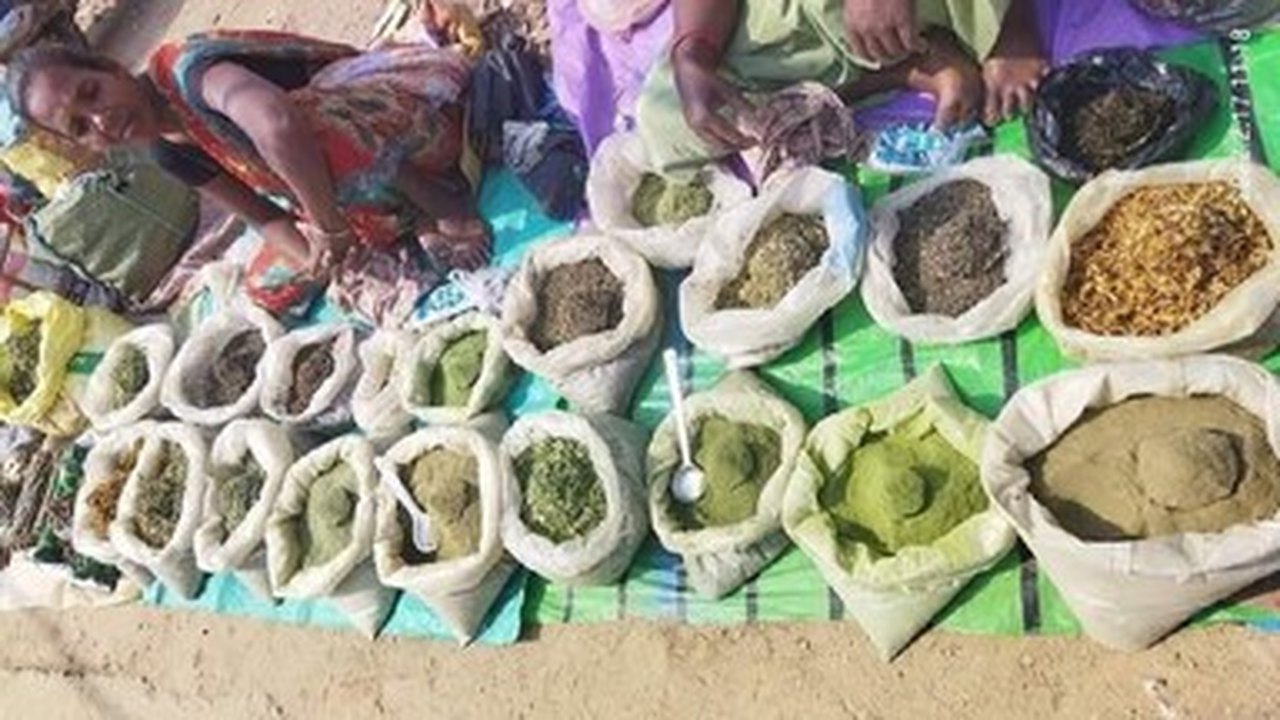
Image: www.livehindustan.com · Photo source · Resized and letterboxed to 16:9; no AI generation
According to reports from Simdega, a traditional plant-leaf preparation known as guda tiyan or guda dal has gained popularity among local residents as rising prices affect green vegetable markets. The dish, rooted in the culinary traditions of tribal communities in Jharkhand, is made from a variety of wild plant leaves found in local forests and is consumed in both rural and urban areas.
Preparation and Ingredients
- Leaves Used: Villagers gather leaves from various plants such as munga, sarla, chakor, putkal, koynar, matha, pechki, spinach, tita, methi, and sawa saag.
- Processing: The collected leaves are dried and crushed using a mortar or stone to create a powder (guda), which can be stored and used over several months.
- Cooking Method: According to local accounts, the powder is typically boiled in the starch (maar) drained from cooked rice, along with salt and either tomatoes or tamarind depending on availability. The dish is reported to cook quickly, often within four to five minutes.
Livelihood and Practical Implications
- Local Economy: Guda tiyan is sold in small leaf bowls (donas) in local markets, priced between 10 to 20 rupees per dona, providing a source of livelihood for local vendors such as Birsi Devi.
- Affordability: Residents like Nuwas Beck report that purchasing guda offers a cost-effective alternative to expensive green vegetables, with small expenditures lasting for multiple days.
To verify original reports regarding regional food practices and market trends in Jharkhand, readers can consult local journalistic coverages or agricultural extension publications from the region.
AI-assisted reporting; source claims are attributed and have not been independently verified.
More to read
 Americans Relying on Heating Oil Brace for a Costly Winter Amid Rising Energy Prices
 Secure Cloud Storage Offered as Cost-Effective Alternative Amid Rising Hardware Prices
 Gold Outlook Appears Bleak Amid Rising Oil Prices, Analyst Advises Caution Against Aggressive Selling
 Green Vegetable Prices Show Stark Contrasts Across Indian Villages and Metros