Inside the Specialized Engineering of Jet Engine Single Crystal Turbine Blades
· GlobeWire Daily Business Desk · Source: www.bbc.co.uk
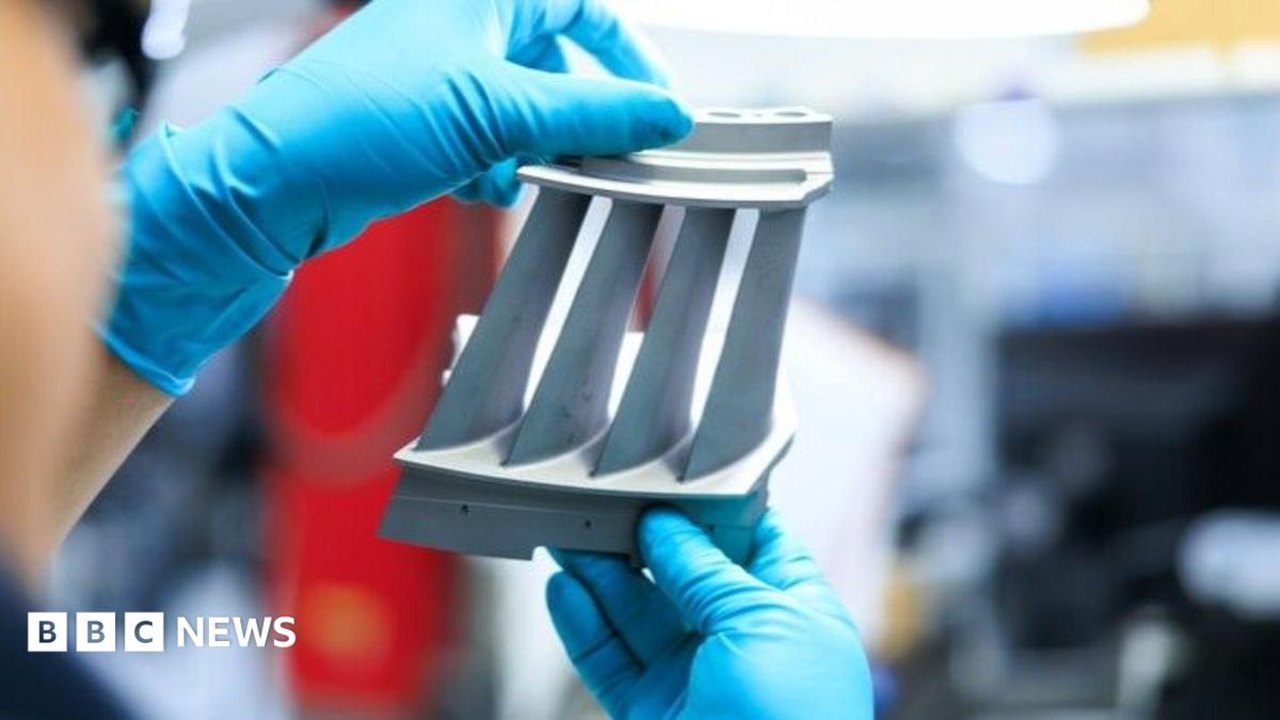
Image: BBC News · Photo source · Resized and letterboxed to 16:9; no AI generation
Modern aircraft engines rely on hundreds of turbine blades capable of withstanding mechanical stresses and temperatures exceeding 1,500C. Produced through a complex process developed in the 1960s, these single crystal turbine blades are grown from molten metal alloys rather than being cut or sculpted, forming a single continuous crystal structure.
Only a handful of companies globally, including Rolls-Royce, GE Aerospace, and France's Safran, have perfected this manufacturing process across just five countries. The technique requires precise cooling and a specialized spiral feature known as a pigtail to isolate a single crystal grain, making production exceptionally challenging.
Manufacturing Complexity and Industry Investments
- Supply Chain Consolidation: In September, GE Aerospace announced plans to acquire its turbine blade supplier for $11.75bn (£8.78bn) to secure component reliability.
- Facility Upgrades: In March, Rolls-Royce announced a £19m investment in its Rotherham blade casting facility.
- Design Innovations: Manufacturers use internal cooling channels and ceramic coatings to manage extreme operating temperatures while reducing weight for better fuel efficiency.
Global Competition and Future Demand
Industry experts report that global demand for aircraft engines and turbine components remains high. Meanwhile, China is working to master the technology chain for single crystal blades, with reports citing claims of competitive alloy developments. However, Western manufacturers maintain advantages through established supply chains and extensive safety records.
Industry analysts note that future aircraft developments from manufacturers like Airbus or Boeing could further increase demand and competition for engine supply chains. Verification of original corporate investments and manufacturing announcements can be conducted through official company press releases and aviation industry regulatory filings.
AI-assisted reporting; source claims are attributed and have not been independently verified.
More to read
 Inside GitHub's Engineering Updates: Architecture and Optimization
 Unisys Announces Registration for 2027 Innovation Program for Engineering Students
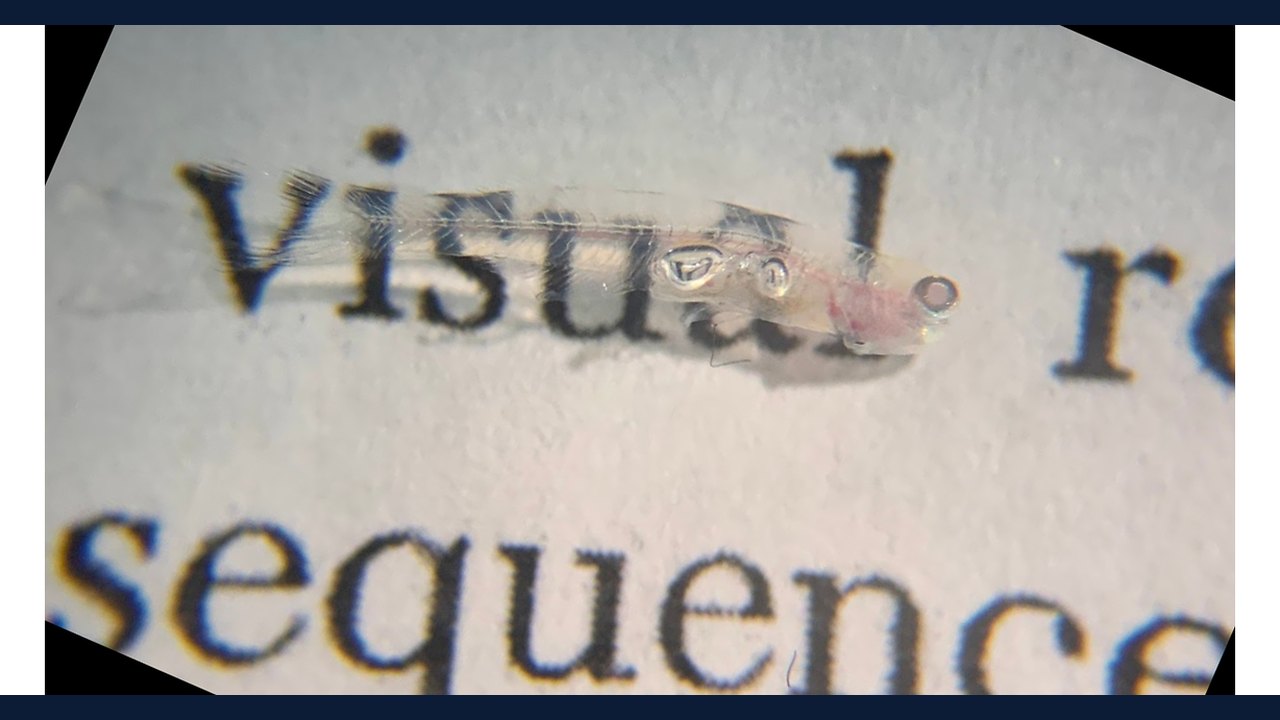 Tiny Transparent Fish Yields First Whole-Body Single-Cell Atlas of an Adult Vertebrate
 Inside the Side-Hustle Economy: What Happened When I Tested Influencer Passive Income Schemes