After the Funeral: The Economic and Emotional Toll on Families Left Behind by Yemen’s Conflict
· GlobeWire Daily Editorial Desk · Source: www.aljazeera.com
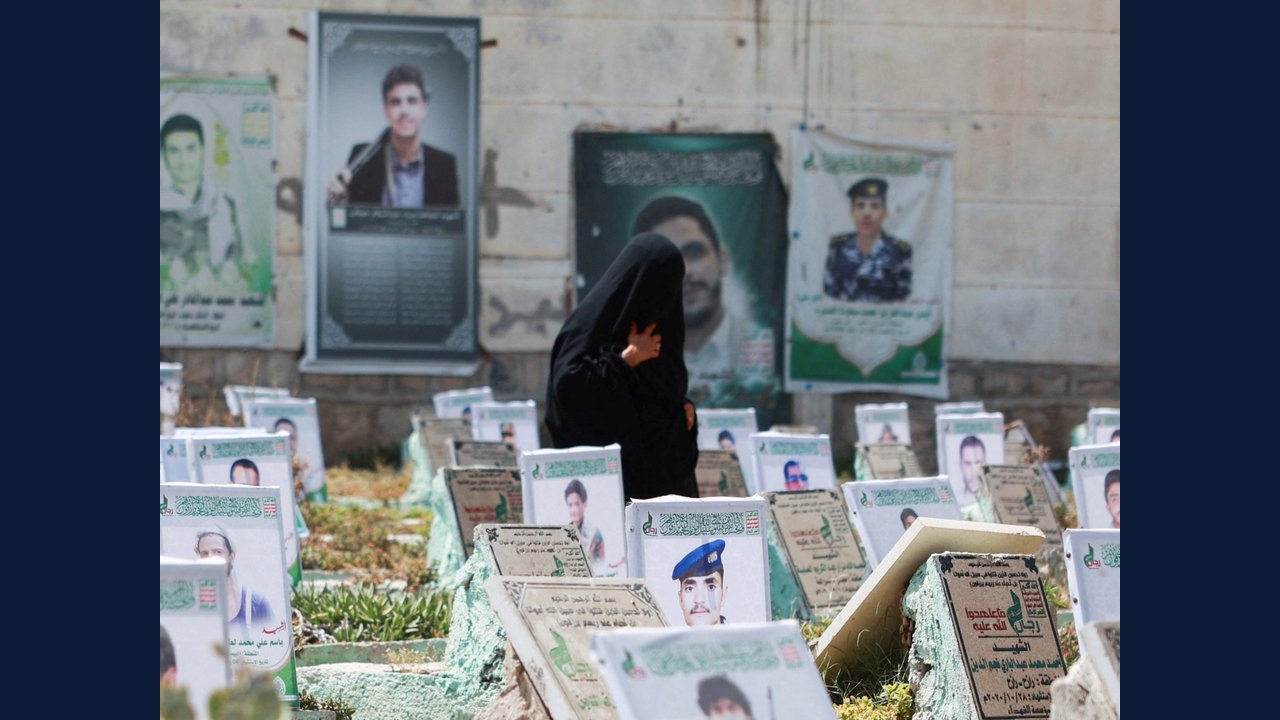
Image: Al Jazeera Staff · Photo source · Resized and letterboxed to 16:9; no AI generation
Context and Ongoing Escalation
In October 2026, amid an ongoing escalation in fighting between Saudi-backed Yemeni government forces and the Iran-aligned Houthi group, public processions for fallen fighters have become a frequent sight in Sanaa and other parts of Yemen. Pickups carrying the bodies of Houthi fighters travel through the streets accompanied by songs and gunmen, heading towards local cemeteries where mourners pay their respects.
The Heavy Toll on Bereaved Families
While public tributes offer fleeting solidarity, families of deceased fighters face enduring economic and psychological hardships. According to interviews and reports, basic living expenses have become difficult to manage amid rising fuel prices and worsening economic conditions.
- Financial Strain: Many families report losing their primary breadwinners. Relatives note that rising costs for water, electricity, and food continue regardless of whether a family member is officially recognized as a casualty.
- Irregular Assistance: While Houthi authorities have provided occasional food baskets containing staples like flour, rice, sugar, and cooking oil to some bereaved families, recipients describe this support as sporadic and insufficient for monthly living needs.
- Food Insecurity: The World Food Programme (WFP) has reported that millions of people across Yemen face severe food insecurity, and escalating hostilities threaten to worsen the hunger crisis.
Differing Perspectives
Official representatives acknowledge the growing strain on support systems. Ali Mohammed, a Houthi representative in Sanaa, stated that the rising number of casualties stretches the authorities' ability to provide comprehensive assistance, noting that aid is distributed to spread coverage as broadly as possible. He expressed a view that a complete Houthi victory would eventually lead to stability and better care for families.
Conversely, researchers and analysts offer a critical view of the public funeral rituals. Adel Dashela, a researcher at the Sanaa Center for Strategic Studies, characterized the public celebrations as an unprecedented phenomenon that normalizes violence. He argued that public honors do little to alleviate the deep financial and psychological burdens borne primarily by women and children left behind.
Verifying Reports and Context
Readers seeking to verify details regarding the humanitarian situation and conflict dynamics in Yemen can consult official reports from organizations such as the World Food Programme or updates from independent monitors based in the region.
AI-assisted reporting; source claims are attributed and have not been independently verified.
More to read
 James Anderson Reflects on Emotional Toll of Unexpected Lancashire County Exit
 Ministry of External Affairs Confirms 22 Indian Nationals Killed in West Asia Conflict
 German Chancellor Warns Against Military Solution to Iran Conflict
 Developments in the Russia-Ukraine Conflict: Drones, Frontline Conditions, and Diplomatic Tensions
Related coverage
Related reporting available at publication.
James Anderson Reflects on Emotional Toll of Unexpected Lancashire County ExitMinistry of External Affairs Confirms 22 Indian Nationals Killed in West Asia ConflictGerman Chancellor Warns Against Military Solution to Iran ConflictDevelopments in the Russia-Ukraine Conflict: Drones, Frontline Conditions, and Diplomatic Tensions Australian Hyrox Athlete Apologizes After Soiling Herself During Race in Beijing
 Kherson Experiences Rare Silence Under Temporary Ceasefire, While Residents Fear Renewed Attacks