Ecological Toll: Black Sea Dolphin Populations Devastated by Ongoing Conflict
· GlobeWire Daily Editorial Desk · Source: www.aljazeera.com
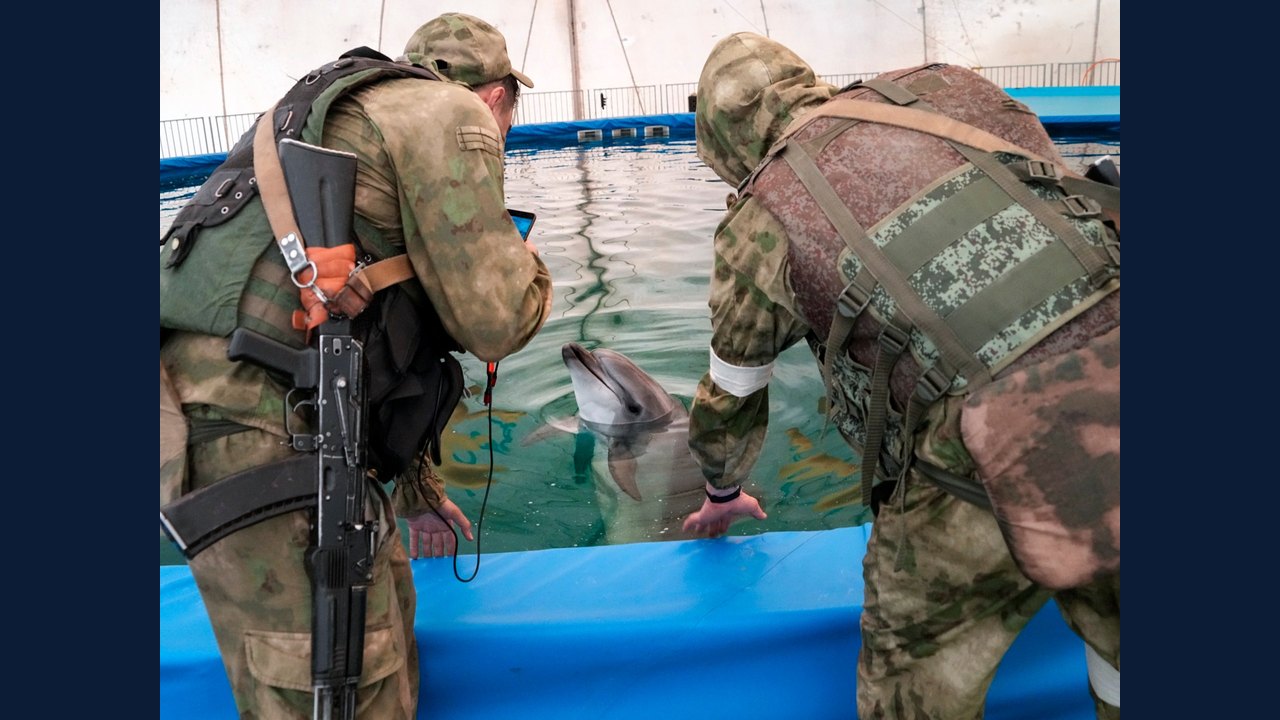
Image: Mansur Mirovalev · Photo source · Resized and letterboxed to 16:9; no AI generation
Ongoing hostilities in the Black Sea, intensified by the 2022 Russian invasion, have caused significant environmental degradation, with experts warning of a long-term impact on marine biodiversity. Ivan Rusev, head researcher at the Tuzly Lagoons national park, estimates that dolphin casualties in the region have exceeded 120,000 since the war began.
Impact on Marine Life
- Disruption of Echolocation: Military sonar, explosions, and cruise missile launches are reported to interfere with the navigational and hunting capabilities of dolphins, leading to starvation and weakened immune systems.
- Chemical Contamination: Sunk warships, tankers, and the 2023 Kakhovka dam destruction have released pollutants, including heavy metals, oil, and agricultural runoff, into the ecosystem.
- Ecosystem Collapse: The depletion of apex predators like dolphins, combined with the loss of fish species such as mullet, threatens to disrupt the entire food chain.
Regional Environmental Concerns
Environmental groups in Bulgaria, Romania, and Turkiye have also observed increased dolphin strandings. While some Russian monitors have attributed these deaths to parasites and viral infections, independent researchers emphasize the impact of war-related noise pollution and chemical spills. Experts like Dimitar Popov of Green Balkans noted that the advanced decomposition of stranded animals often makes verifying specific causes of death difficult.
Long-term Consequences
Beyond marine mammals, the environmental damage extends to migratory birds and coastal fauna. While certain land mammal populations have increased due to reduced human poaching, the recovery of the Black Sea cetacean population is projected to take between 30 to 50 years. The environmental consequences remain a secondary yet distressing element for local populations currently facing daily military strikes.
AI-assisted reporting; source claims are attributed and have not been independently verified.
More to read
 New Study Examines Voluntary Return of Yemeni Diaspora During Ongoing Conflict
 Sudan Faces Unprecedented Humanitarian Crisis Amid Ongoing Conflict, UN Warns
 After the Funeral: The Economic and Emotional Toll on Families Left Behind by Yemen’s Conflict
 Black Sea Grain Threats and Infrastructure Strikes Escalate Regional Crisis