Israel Holds Pivotal Election as Voters Weigh Leadership Amid Years of Conflict
· GlobeWire Daily Editorial Desk · Source: www.npr.org

Original GlobeWire Daily editorial illustration — not an event photograph.
Israel is holding pivotal elections on Tuesday, described by many Israelis as the most consequential vote in the country's history following several years of war. According to reporting by NPR, polls indicate that Prime Minister Benjamin Netanyahu is trailing his main challenger, former military chief Gadi Eisenkot. However, determining the official winner may take weeks or months.
Election Structure and Coalition Dynamics
Voters do not directly choose between Netanyahu and Eisenkot. Instead, ballots are cast for one of roughly a dozen main political parties competing for seats in the 120-member Knesset. The definitive contest unfolds after election day, as party leaders attempt to assemble a governing coalition holding at least 61 seats.
Leading Candidates and Key Figures
- Benjamin Netanyahu: Israel's longest-serving prime minister seeks another term, leading a right-wing government that has included far-right and ultra-Orthodox parties. His campaign highlights military achievements, close ties with U.S. President Trump, and a focus on confronting Iran.
- Gadi Eisenkot: The former military chief of staff is running for prime minister for the first time, leading a new center-right party named Yashar. His platform emphasizes establishing a state commission of inquiry into the Oct. 7, 2023, attacks and expanding military service.
Central Campaign Issues
- Accountability for Oct. 7: The Hamas-led attacks, which resulted in about 1,200 deaths and 251 hostages, remain a central issue. While Netanyahu has resisted calls for a state commission of inquiry, Eisenkot and other opposition figures pledge to establish one.
- Military Service Exemptions: Years of multi-front fighting have strained standing forces, intensifying long-standing disputes over military exemptions for ultra-Orthodox Jewish men.
- Judiciary and Governance: Netanyahu's previous government pursued a judicial overhaul that limited supreme court influence, while his trial on corruption charges continues. Eisenkot advocates for an independent judiciary.
Potential Post-Election Outcomes
Because recent polls suggest neither leading candidate holds a clear path to a parliamentary majority, potential outcomes include opposition parties relying on Arab party support, a broad unity government, a plea deal involving Netanyahu stepping down, or political deadlock leading to caretaker status and repeat elections.
AI-assisted reporting; source claims are attributed and have not been independently verified.
More to read
 Shin Bet Holds Intelligence on Foreign Money Transfer Before Israel Election, but Did Not Share with Central Elections Committee
 Israel Records Highest Election Turnout in 50 Years as Polls Close
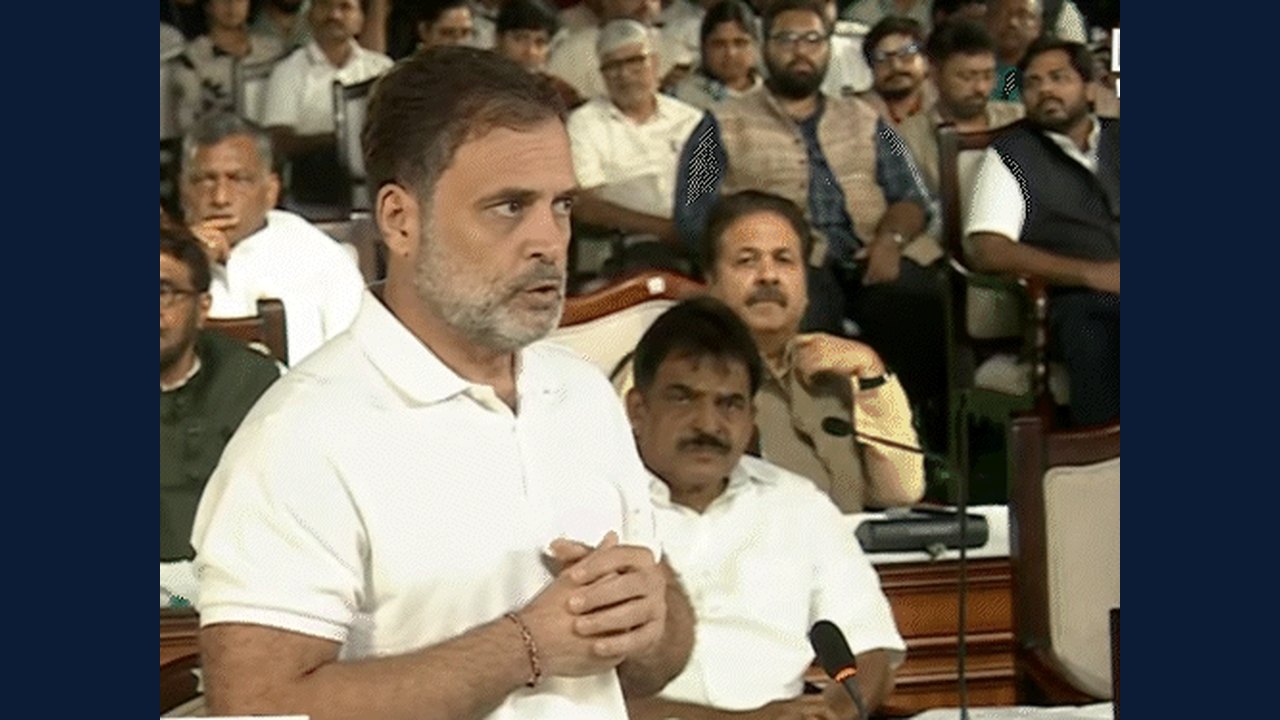 INDIA Bloc Holds Mock Parliament in Delhi to Protest Against Chief Election Commissioner
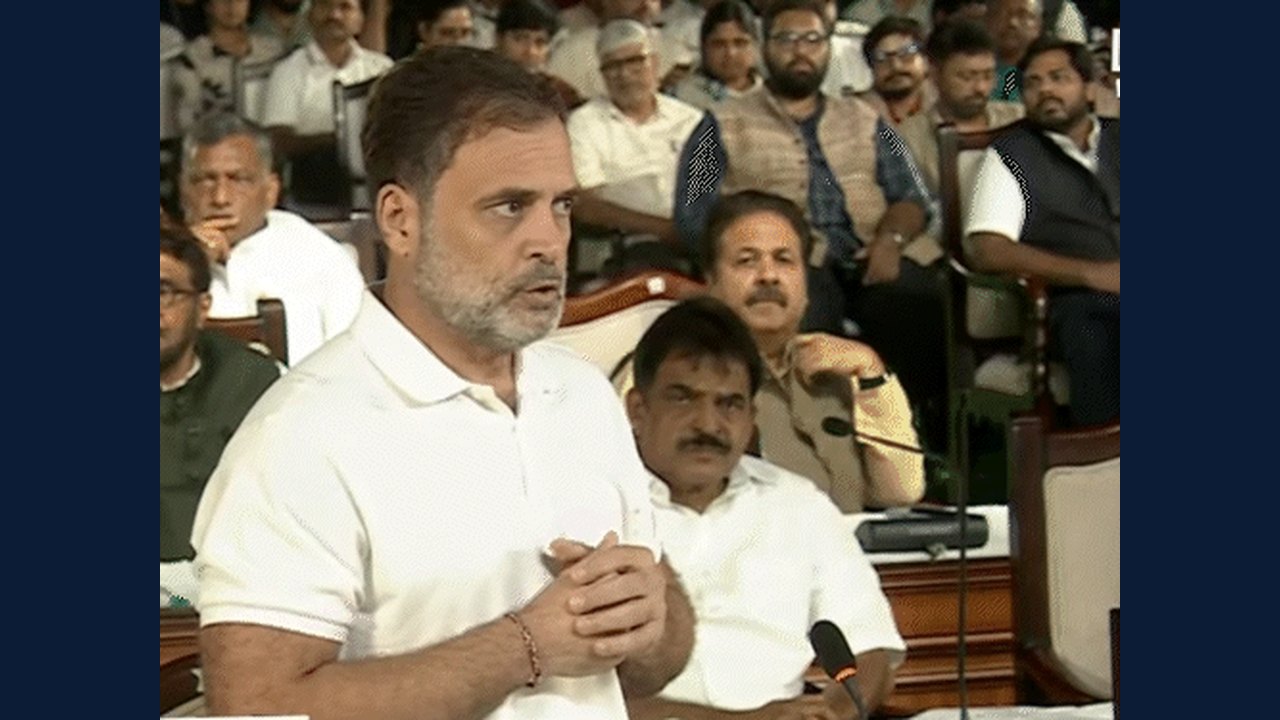 INDIA Bloc Holds Mock Parliament in Delhi to Impeach Chief Election Commissioner Gyanesh Kumar
Trending on GlobeWire Daily
Selected from recent coverage and related topics; not live search rankings.
 Madhya Pradesh Government Plans Revenue Generation from 117-Year-Old Edward Villa in Mumbai Through Leasing
 iPhone 18 Pro Named TechRadar Product of the Year 2026
 Google Project Suncatcher Runs Gemma 4 AI on Orbiting Satellite and Receives First Response
 Gender Disparities in Eye Care Access Across India Examined
 Satellite Images Show Cyclone Arnab Weakening Over India As New System Brews
 Expanding Green and Blue Spaces Crucial for India's Economic and Public Health, Reports Indicate