Port Sudan Families Struggle With Severe Water Shortages and High Costs
· GlobeWire Daily Editorial Desk · Source: www.aljazeera.com
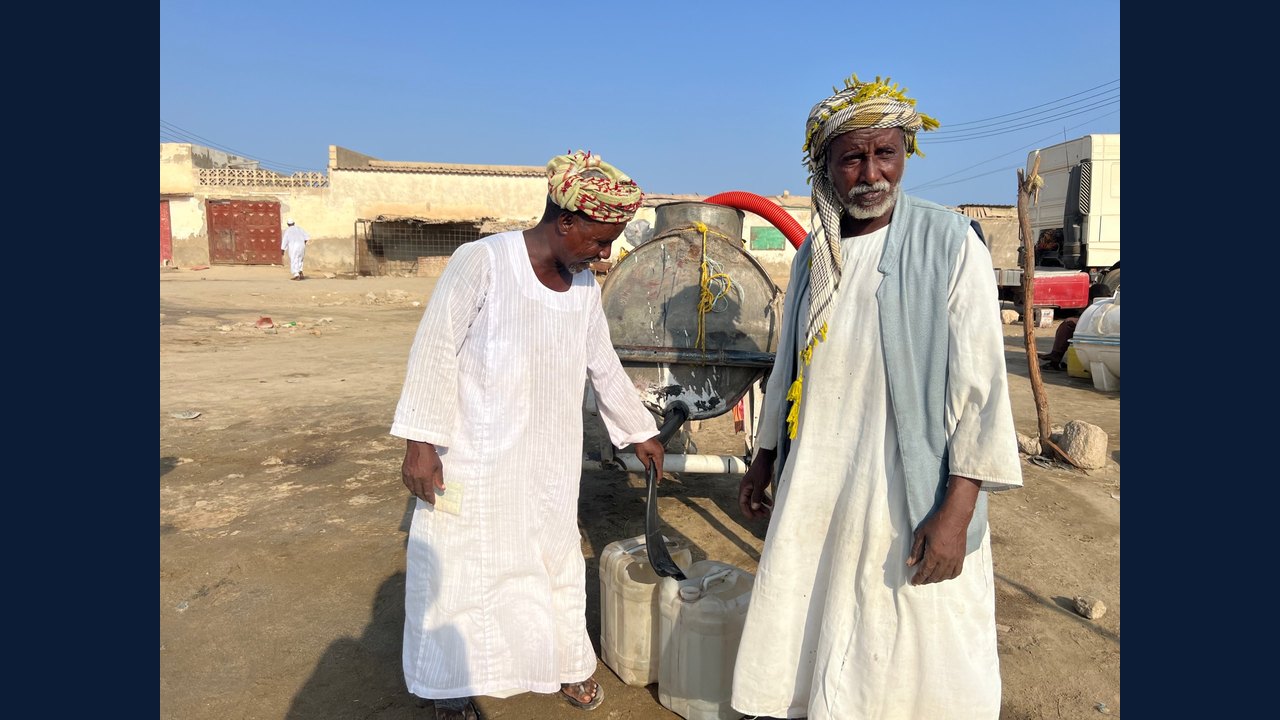
Image: Fatima Edam · Photo source · Resized and letterboxed to 16:9; no AI generation
Port Sudan residents face persistent water shortages and soaring costs that consume entire household incomes, according to reports published by Al Jazeera in October 2026. The water crisis in the eastern Sudanese city has deepened due to infrastructure strains, the August 2024 collapse of the Arbaat Dam, and an influx of people displaced by the country's ongoing conflict.
Daily Financial Burden on Families
Residents unconnected to municipal piped water networks rely heavily on street vendors and private distribution stations. According to accounts shared with Al Jazeera, everyday families spend significant portions of their earnings simply to secure basic water supplies. For individuals like Amina Khalafallah in the Deim Mayo neighbourhood, daily water purchases can equal her entire monthly salary.
- Vendor Costs: Street vendors charge about 1,000 Sudanese pounds ($0.10) for 18 litres of water.
- Distribution Prices: Ahmed Osman, a worker at a local water distribution station, noted that filling a 250-litre donkey cart costs 16,000 pounds, while large 50,000-litre water tankers have seen prices surge significantly since the war began in April 2023 due to rising fuel and operating costs.
- Income Impact: The United Nations Development Programme (UNDP) reports that the prolonged war has pushed average Sudanese incomes back to early 1990s levels, forcing families to borrow money or forgo essentials to afford water.
Infrastructure Challenges and Dam Collapse
The African Development Bank (AfDB) notes that access to safe water remains an urgent need across Sudan. In Port Sudan, which has remained relatively stable compared to other conflict zones, the city's water supply meets less than 40 percent of total demand.
A primary factor in this shortage was the August 2024 collapse of the Arbaat Dam, caused by heavy rainfall and flooding in the Red Sea Hills. The dam previously supplied half of the coastal city's daily water needs, and its failure damaged pipelines, wells, and downstream villages, leaving neighborhoods reliant on costly truck deliveries.
Ongoing Relief Efforts and Public Health Risks
International organizations and local authorities are working to mitigate the crisis:
- Restoration Projects: The UNDP reported drilling or rehabilitating 15 boreholes, laying 17 kilometres of new pipelines, and installing solar-powered pumps to supply nearly 230,000 people.
- Expansion Initiatives: An AfDB and UNICEF project launched in June aims to expand safe water access for up to 750,000 residents in Port Sudan, though the city's population is estimated at one million.
Dr. Emad Hafez, medical director of the emergency department at Port Sudan Teaching Hospital, warned Al Jazeera that the water crisis poses severe public health risks. He stated that reliance on untreated water increases the threat of cholera and diarrhoeal diseases, while poor hygiene raises skin infection risks and uncovered storage containers encourage mosquito-borne diseases like malaria and dengue fever. Furthermore, water insecurity impacts hospital operations, food security, and maternal and child health.
Verification of these conditions involves reviewing updates from the UNDP, the African Development Bank, UNICEF, and local humanitarian reports in Port Sudan.
AI-assisted reporting; source claims are attributed and have not been independently verified.
More to read
 Jammu & Kashmir High Court Strikes Down 2010 Water Resources Act and Power Project Levies
 J&K High Court Declares Water Usage Charges Under 2010 Act 'Ultra Vires'
 Elon Musk Confirms Grok Bot Limits Restricted Due to High Operating Costs
 Why Smartphones Are Getting More Expensive: Exploring Rising Costs, AI Demand, and Chip Shortages
Trending on GlobeWire Daily
Selected from recent coverage and related topics; not live search rankings.
 Madhya Pradesh Government Plans Revenue Generation from 117-Year-Old Edward Villa in Mumbai Through Leasing
 iPhone 18 Pro Named TechRadar Product of the Year 2026
 Google Project Suncatcher Runs Gemma 4 AI on Orbiting Satellite and Receives First Response
 Gender Disparities in Eye Care Access Across India Examined
 Satellite Images Show Cyclone Arnab Weakening Over India As New System Brews
 Expanding Green and Blue Spaces Crucial for India's Economic and Public Health, Reports Indicate