Russia Proposes Significant Tax Hikes to Sustain Growing War Expenditures
· GlobeWire Daily Editorial Desk · Source: www.amarujala.com
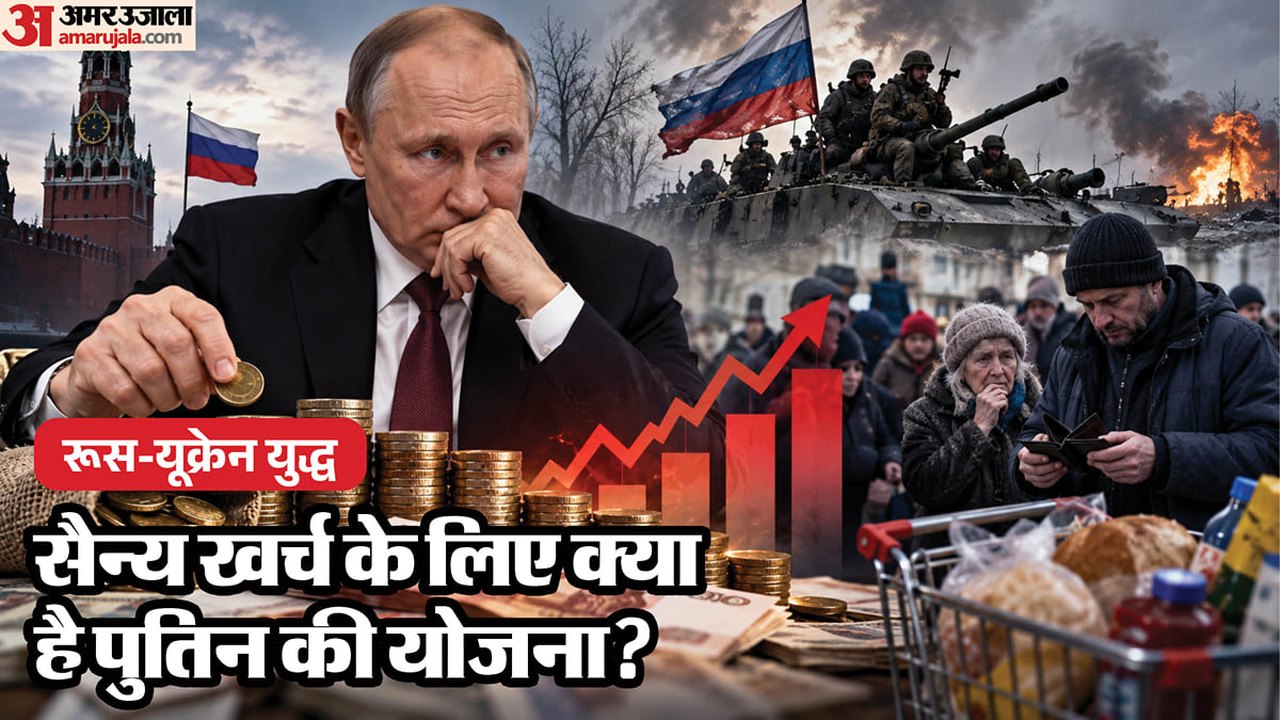
Image: Amar Ujala · Photo source · Resized and letterboxed to 16:9; no AI generation
Escalating Fiscal Pressure
The ongoing conflict in Ukraine has exerted significant strain on Russia's state finances. To address a widening budget deficit, the Russian government under President Vladimir Putin has introduced a series of tax reform proposals for the 2027–2029 period. These measures aim to secure additional revenue to offset the rising costs associated with military operations.
Targeted Revenue Streams
The proposed tax adjustments focus on specific sectors and income brackets:
- Mining Industry: Companies involved in the production of iron ore, nickel, and gold may face a windfall tax ranging from 20% to 30%. This measure is targeted at firms that have experienced increased profits due to recent market price fluctuations.
- Income Tax Adjustments: The government plans to increase taxes on interest, dividends, and capital gains from asset sales. The rates are proposed to shift from the current tiers (13% for incomes up to 2.4 million rubles and 15% above that) to a progressive scale reaching up to 22%.
- Import Duties: Starting January 1, new fees are expected on international parcels, including a 100-ruble processing charge and a 22% VAT on foreign online purchases under 200 euros that were previously tax-exempt.
- Restricted Foreign Assets: Dividends distributed to restricted accounts belonging to investors from nations labeled as "unfriendly" by Moscow may face a 35% tax rate.
Verification and Outlook
The implementation of these tax hikes is pending official legislative approval. While the Kremlin frames these steps as a necessary fiscal adjustment to manage the war economy, independent analysts suggest these moves indicate that the sustained mobilization of resources is increasingly impacting the domestic tax base. Verification of these policies can be pursued by monitoring official updates from the Russian Ministry of Finance and legislative sessions of the State Duma.
AI-assisted reporting; source claims are attributed and have not been independently verified.
More to read
 Developments in the Russia-Ukraine Conflict: Drones, Frontline Conditions, and Diplomatic Tensions
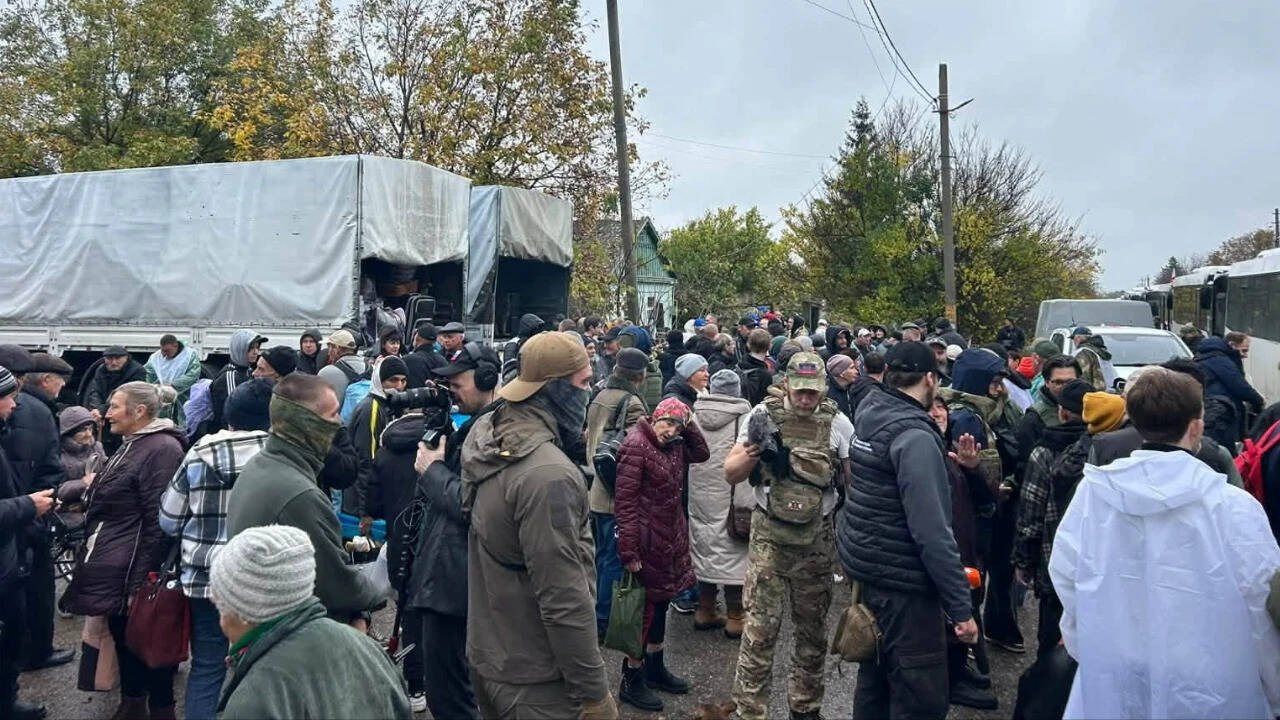 Hundreds Evacuated from Oleshky Amid Rare Russia‑Ukraine Ceasefire, Media Say
 US Immigration Executive Roles Highlight Growing Corporate Mobility Sector in Hyderabad
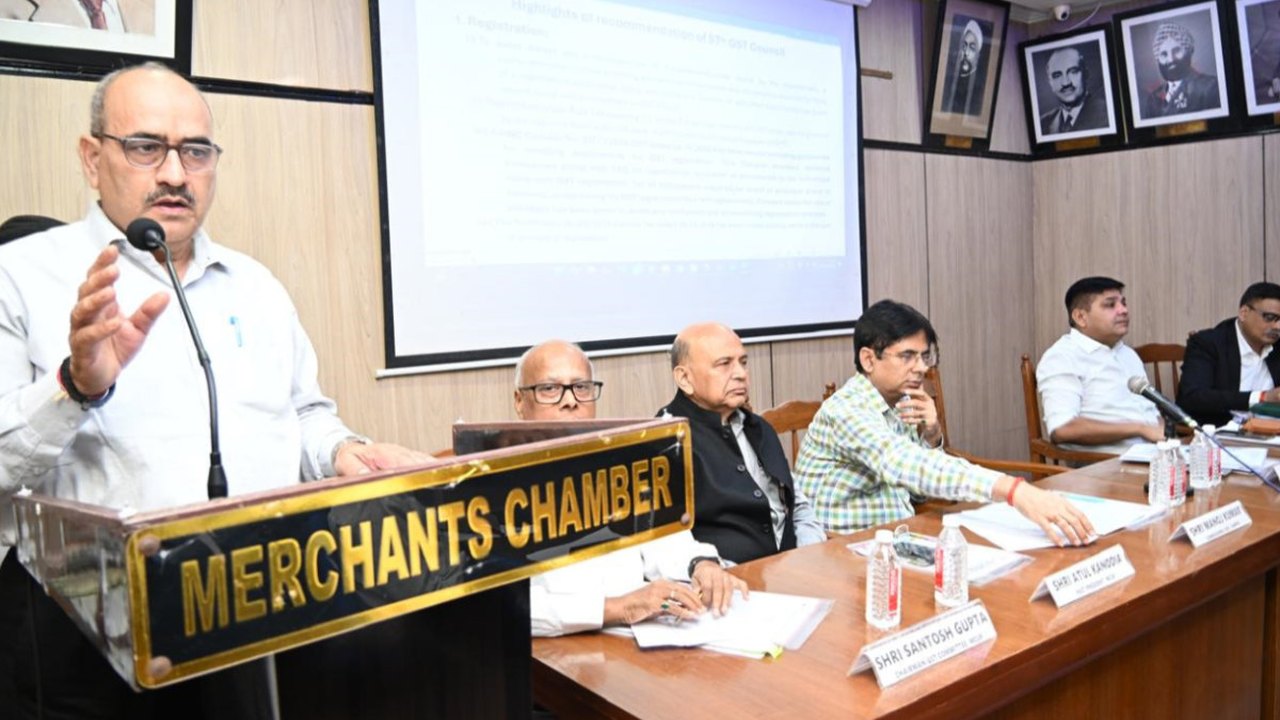 GST Reforms Seminar Held in Kanpur to Enhance Tax Compliance
Trending on GlobeWire Daily
Selected from recent coverage and related topics; not live search rankings.