Spain Mourns Following Deadly High-Speed Train Collision
· GlobeWire Daily Editorial Desk · Source: www.aljazeera.com

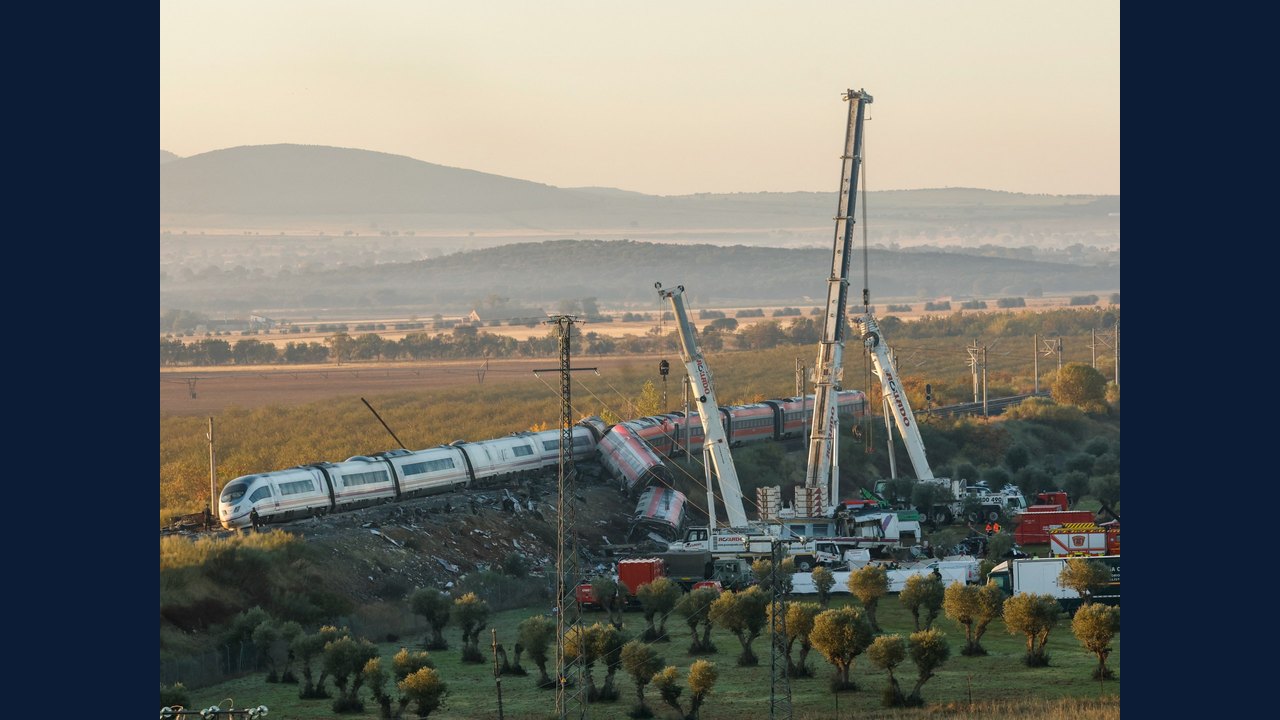
Image: Graham Keeley · Photo source · Resized and letterboxed to 16:9; no AI generation
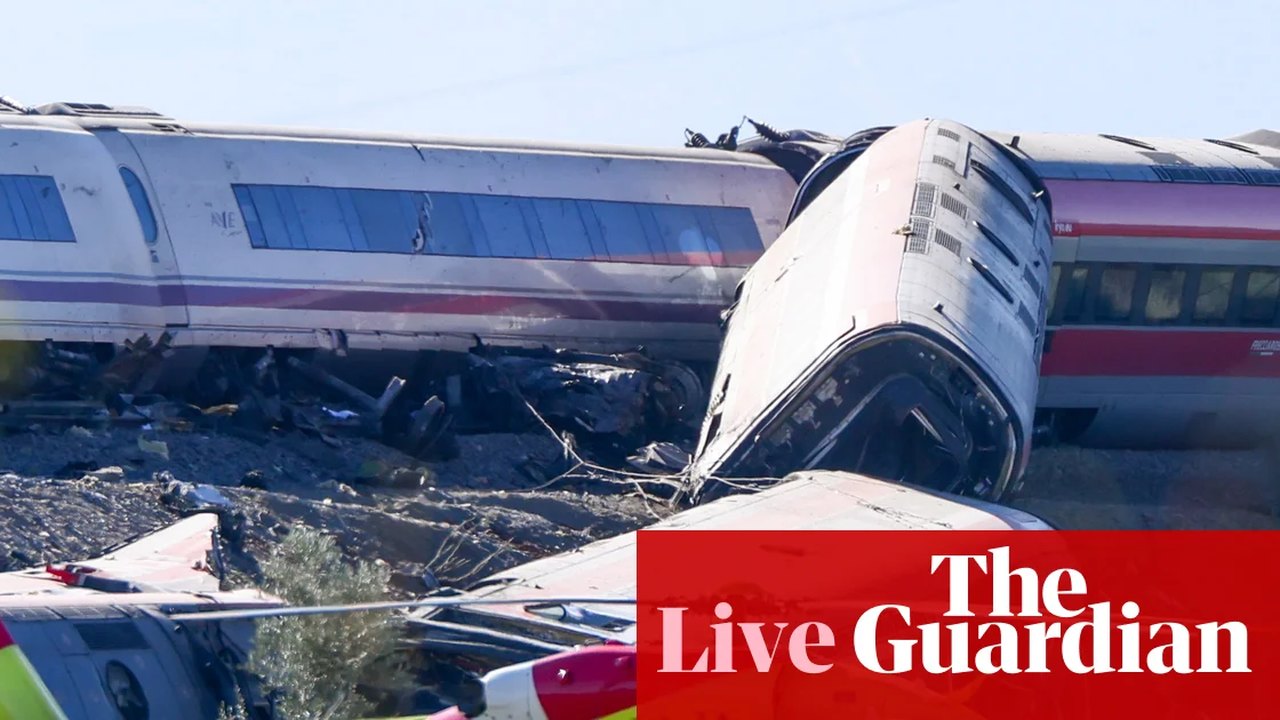
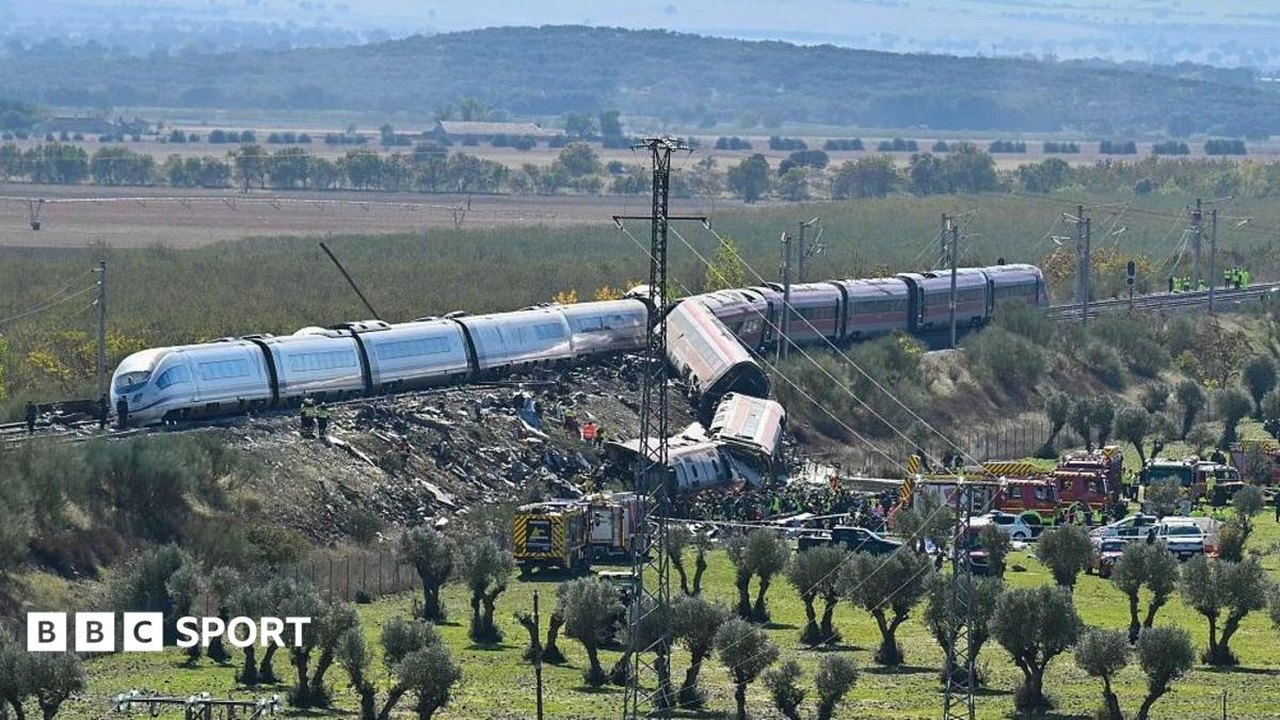
Spain has declared three days of national mourning following a high-speed train collision on Wednesday morning that left at least 68 people dead and 77 others injured. The disaster occurred in a rural area between Urda and Los Yebenes, south of Toledo in central Spain.
Details of the Incident
According to reported accounts and official statements, a Renfe high-speed train travelling from Madrid to Seville collided with a stationary locomotive operated by Italian consortium Iryo just before 9am.
Transport Minister Oscar Puente stated that the Renfe train was authorized to continue despite an active red signal caused by the stationary train ahead. Puente attributed the signal to a computer communications failure and an order from the central command centre, adding that train engineers were not to blame.
Passengers described chaotic scenes following the impact. Joaquim Torres, a survivor, recounted attempting to comfort an injured passenger who later died. Sebastian Herrero, a doctor travelling on the train, described severe damage to the leading carriages.
National Reaction and Political Fallout
Prime Minister Pedro Sanchez announced three days of national mourning, stating that two major train disasters in one year are unacceptable. The tragedy follows a rail crash in January at Adamuz, near Cordoba, which resulted in 46 deaths.
The latest incident has renewed scrutiny over Spain's railway infrastructure, maintenance spending, and safety systems:
- Official Investigations: National train operator Renfe has launched an internal inquiry, and a judicial investigation is expected to begin shortly.
- Political Demands: Opposition leader Alberto Nunez Feijoo called for a complete and independent review of the entire rail network.
- Protests: The Solidarity trade union held a demonstration in Madrid on Wednesday night demanding the transport minister's resignation.
Infrastructure and Maintenance Context
European Commission data and experts, such as civil engineering professor Salvador Garcia-Ayllon, have pointed to a rapid rise in high-speed rail usage alongside lower proportional spending on maintenance compared to other European nations like France, Germany, and Italy. Official data from the Spanish railway safety authority (AESF) indicate an increase in rail accidents from 45 in 2016 to 69 in 2025.
How to Verify
Official updates regarding the judicial investigation, casualty figures, and transport policy announcements can be verified through statements released by Spain's Ministry of Transport, Renfe, and major Spanish news outlets.
AI-assisted reporting; source claims are attributed and have not been independently verified.
More to read
 Spain Mourns Following Deadly High-Speed Train Collision Near Toledo
 Spain’s Transport Minister Resigns After Deadly High‑Speed Train Crash
 Spain Declares Three Days of Mourning After Deadly Train Collision
 Spanish Football Suspends Copa del Rey Matches Following Fatal Train Collision
Related coverage
Related reporting available at publication.
Spain Mourns Following Deadly High-Speed Train Collision Near ToledoSpain’s Transport Minister Resigns After Deadly High‑Speed Train CrashSpain Declares Three Days of Mourning After Deadly Train CollisionSpanish Football Suspends Copa del Rey Matches Following Fatal Train Collision Iran Calls to End 'Neither War Nor Peace' Stance Amid Regional Tensions and Reported U.S. Outreach
 World Number One Elena Rybakina Withdraws from Pan Pacific Open Due to Neck Injury