Spain Mourns Following Deadly High-Speed Train Collision Near Toledo
· GlobeWire Daily Editorial Desk · Source: www.aljazeera.com
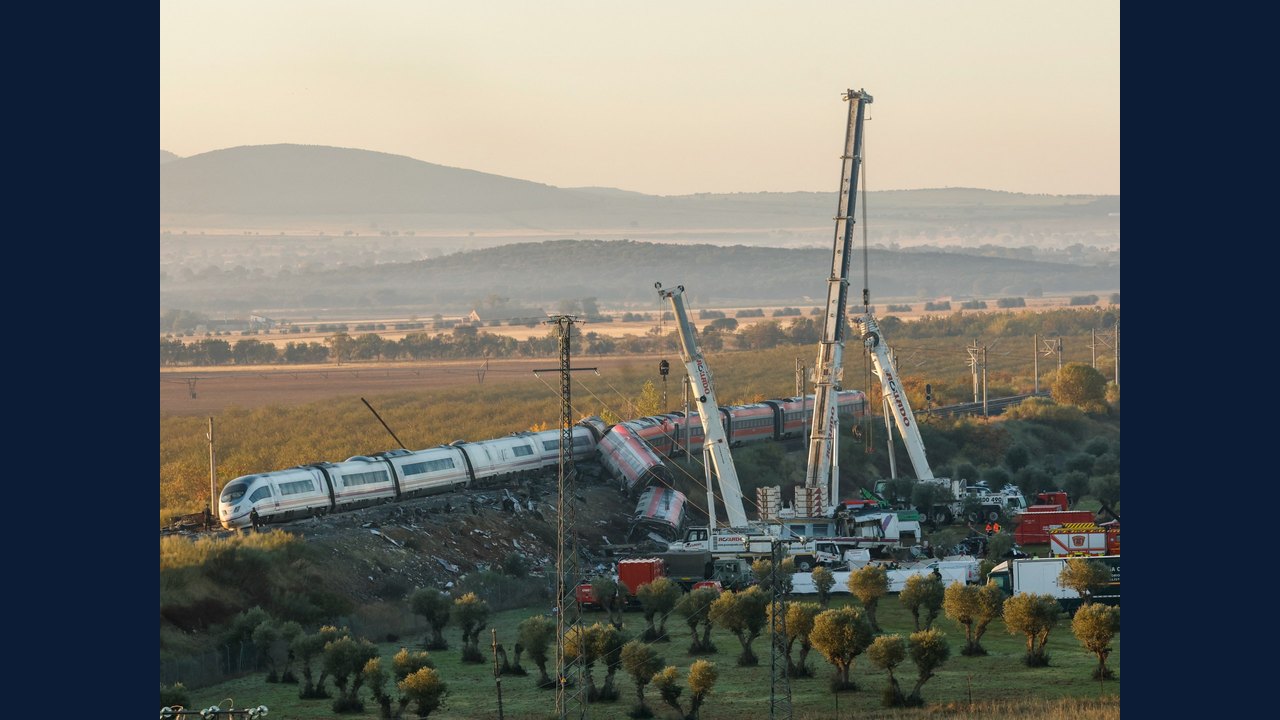
Image: Rached El-Moctar · Photo source · Resized and letterboxed to 16:9; no AI generation
Overview of the Crash
On Wednesday, October 29, 2026, a high-speed train collision occurred near Urda, a town south of Madrid in central Spain. Official reports state that at least 68 people were killed and approximately 80 others injured when a Renfe high-speed train struck the rear of a stationary Iryo train. Both trains were travelling from Madrid to Seville on a raised section of track between Urda and Los Yebenes.
This incident marks Spain’s second fatal high-speed rail disaster of the year, following a January derailment in Cordoba province that killed 46 people. The event date and location are confirmed by regional authorities and emergency sources.
Casualties and Emergency Response
- Fatality Count: At least 68 deaths confirmed by regional president Emiliano Garcia-Page.
- Injuries: About 80 people injured, with 50 treated for serious conditions and 15 in critical condition.
- Medical Triage: Casualties were transported to hospitals in the region and Madrid, while less severe cases were assessed at a nearby sports hall.
Emergency crews and Spain’s Civil Guard deployed disaster investigation teams to clear wreckage and search for victims. Prime Minister Pedro Sanchez visited the site, declared three days of national mourning beginning Thursday, and pledged a full inquiry into any negligence or system failures.
Official Claims and Preliminary Findings
Transport Minister Oscar Puente attributed the crash to an "inexplicable" control centre order issued after a computer failure disabled the primary LZB signalling system at approximately 8:30 am.
- Signalling Failure: The automated system shutdown caused several trains to stop automatically across a 63km stretch.
- Control Centre Instructions: Preliminary investigations reported by *El Pais* indicate that control staff in Madrid authorised the Renfe train to resume normal speeds, reaching over 200 km/h before striking the stalled Iryo train.
- Differing Accounts: While officials state drivers were not at fault, Adif (the state rail infrastructure manager) has not yet identified the specific point of failure within its control center.
Practical Implications and Verification
Adif suspended high-speed services between Madrid and Andalusia, and Renfe suspended ticket sales on that corridor through December 13, offering alternative services starting Friday.
The accident has introduced political friction ahead of national elections, prompting protests in Madrid and cancellations of campaign events by ruling and opposition parties alike. Independent verifications of system data and ongoing judicial investigations remain the primary avenues for confirming official findings.
AI-assisted reporting; source claims are attributed and have not been independently verified.
More to read
 Spain’s Transport Minister Resigns After Deadly High‑Speed Train Crash
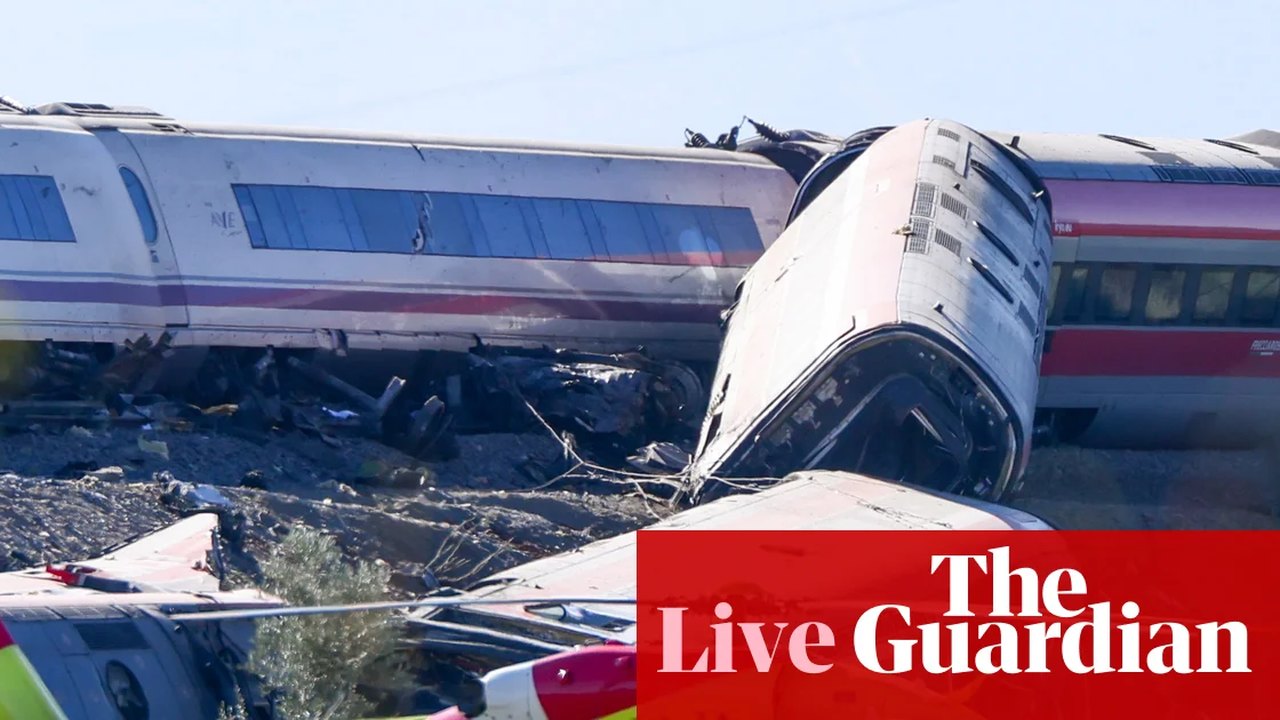 Spain Declares Three Days of Mourning After Deadly Train Collision
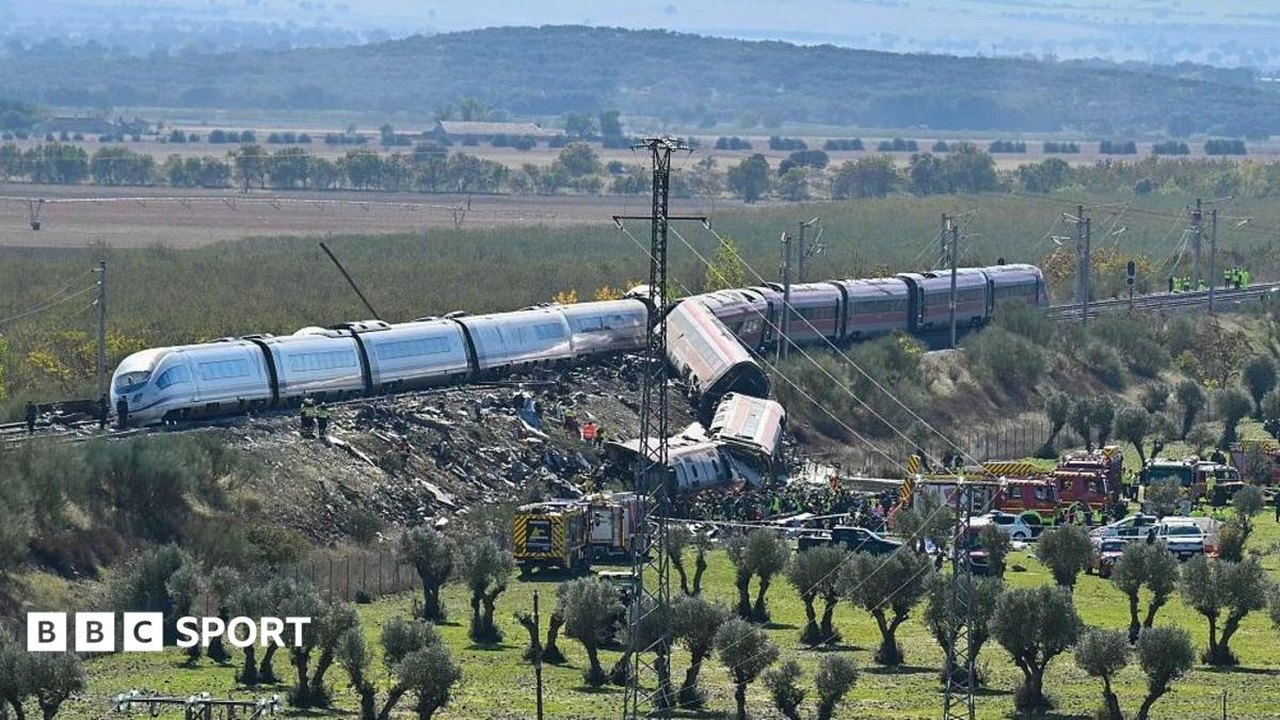 Spanish Football Suspends Copa del Rey Matches Following Fatal Train Collision
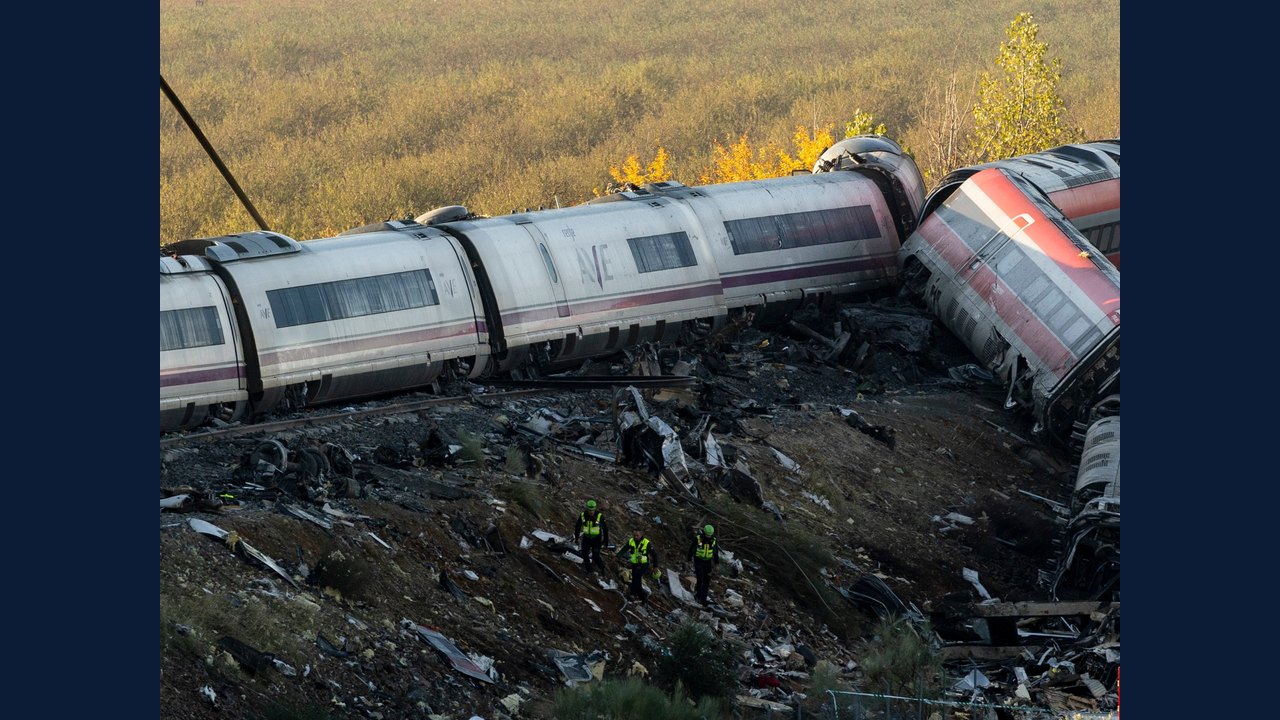 Spanish Long Jumper Julieta Gallego Among Victims of Fatal Train Collision
Related coverage
Related reporting available at publication.
Spain’s Transport Minister Resigns After Deadly High‑Speed Train CrashSpain Declares Three Days of Mourning After Deadly Train CollisionSpanish Football Suspends Copa del Rey Matches Following Fatal Train CollisionSpanish Long Jumper Julieta Gallego Among Victims of Fatal Train Collision Venezuela's Machado Returns from Exile, Urges 2027 Elections
 US, South Korea and Japan Reiterate Call for North Korea's Denuclearisation