U.S.-Iran Conflict Enters New Phase as Saudi Arabia Joins Strikes and Diplomacy Stalls
· GlobeWire Daily Editorial Desk · Source: www.pbs.org
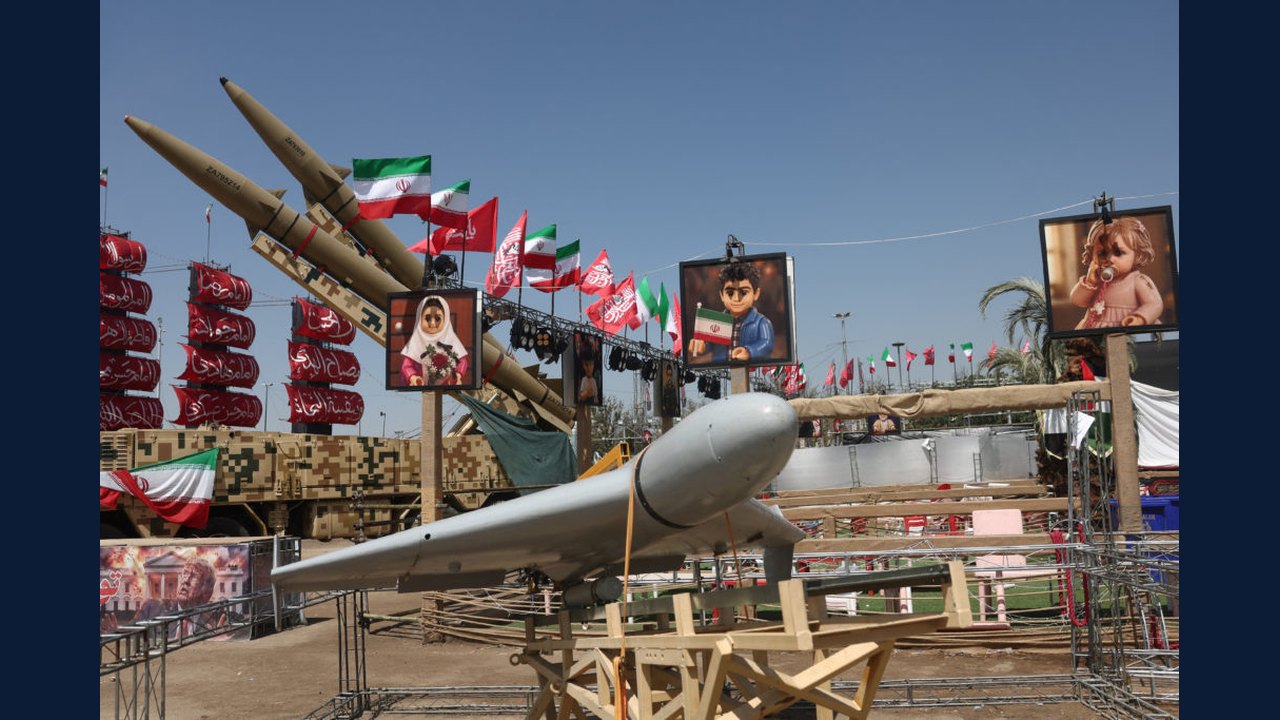
Image: PBS News · Photo source · Resized and letterboxed to 16:9; no AI generation
The conflict between the United States and Iran has entered a new phase as Saudi Arabia publicly joined military actions against Tehran-backed proxies, while diplomatic efforts to end the hostilities have faltered amid deep mistrust.
Recent Military Escalations
Following a thwarted attack on a U.S. base in Jordan, the U.S. military launched retaliatory strikes in the Middle East. Concurrently, Saudi Arabia joined the U.S. in targeting logistics and weapons sites used by Iranian-backed militias in Iraq. These strikes followed drone attacks on the kingdom and missile fire directed at Jordan's Muwaffaq Salti Air Base.
- Joint Actions: Saudi Arabia and the U.S. conducted public joint strikes against Iraqi militias.
- Regional Impact: Drone strikes also caused fires on natural gas vessels at an Egyptian port, reflecting a broadening regional scope.
- Diplomatic Stalemate: Iran's deputy foreign minister stated that no requests to restart talks had been made in over two weeks, and U.S. officials indicated that direct diplomacy is not currently imminent.
Strategic and Logistical Challenges
As the conflict continues, concerns have been raised regarding the depletion of U.S. military stockpiles, including Patriot and THAAD interceptors. A recent analysis by the Center for Strategic and International Studies highlighted that sustained operations could strain defense resources, a topic communicated to leadership by military advisors.
- Stockpile Concerns: Rapid use of critical missile interceptors poses potential readiness challenges.
- Economic Pressures: The ongoing conflict and disruptions to energy shipments have impacted global markets ahead of domestic midterm elections.
Verification and Context
Official claims from Washington, Riyadh, and Tehran highlight starkly different perspectives on willingness to negotiate. While U.S. leadership asserts that Iran is eager for talks, Iranian officials deny these claims. Observers note that the collapse of a mid-June interim ceasefire proposal has deepened mutual skepticism, echoing a historical pattern of failed diplomatic engagements since 1979.
AI-assisted reporting; source claims are attributed and have not been independently verified.
More to read
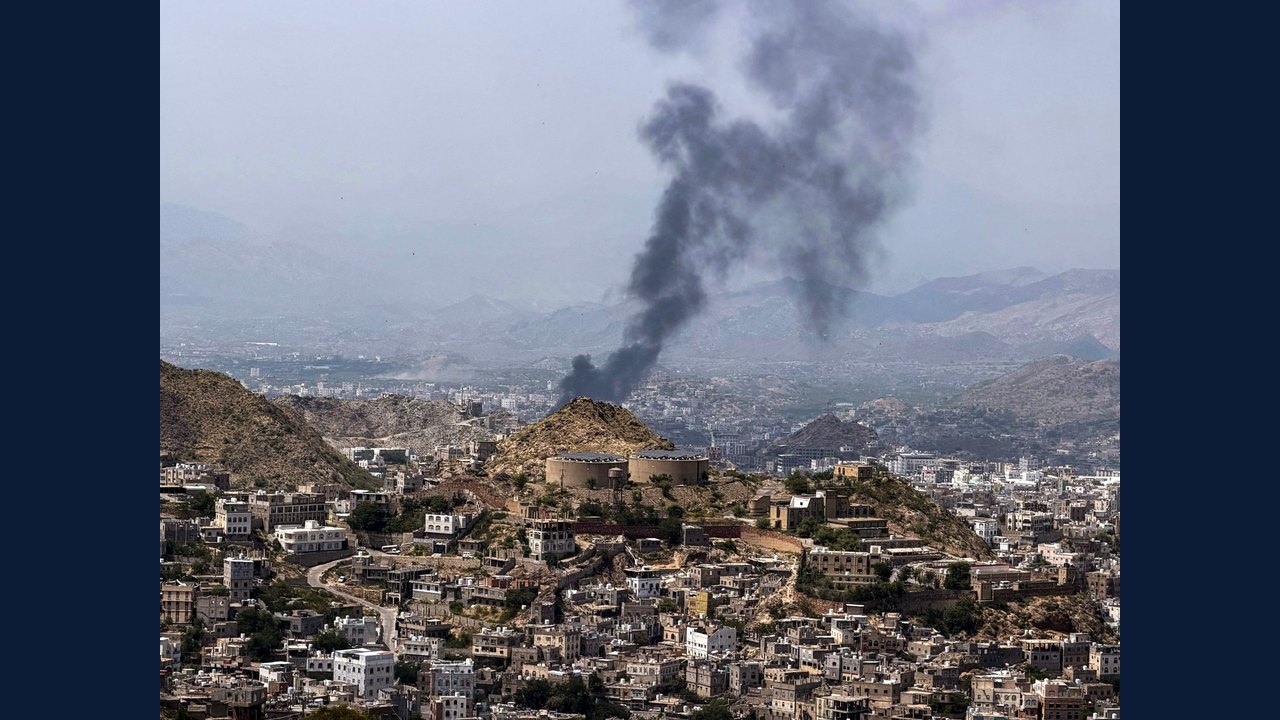 Are Houthis using Russian satellites as Saudi Arabia fends off strikes?
 AFC Delays 2027 Asian Cup in Saudi Arabia to Dec 2027–Jan 2028 Over Middle‑East Conflict
 Opinion Analysis: Examining the Strategic Dynamics of the US-Iran Conflict and Regional Reactions
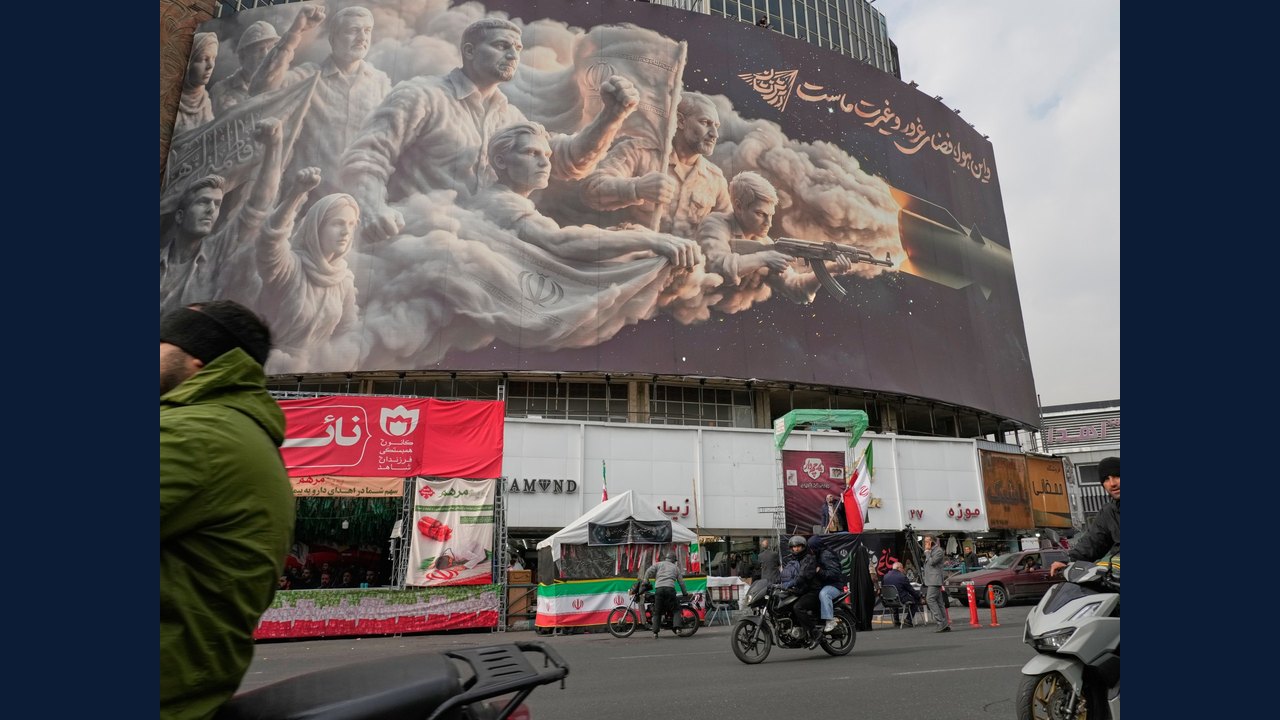 Is the US-Israel war on Iran turning into a 'frozen conflict'?