US, Russia and China in Race to Install Nuclear Reactors on the Moon
· GlobeWire Daily Editorial Desk · Source: www.aljazeera.com
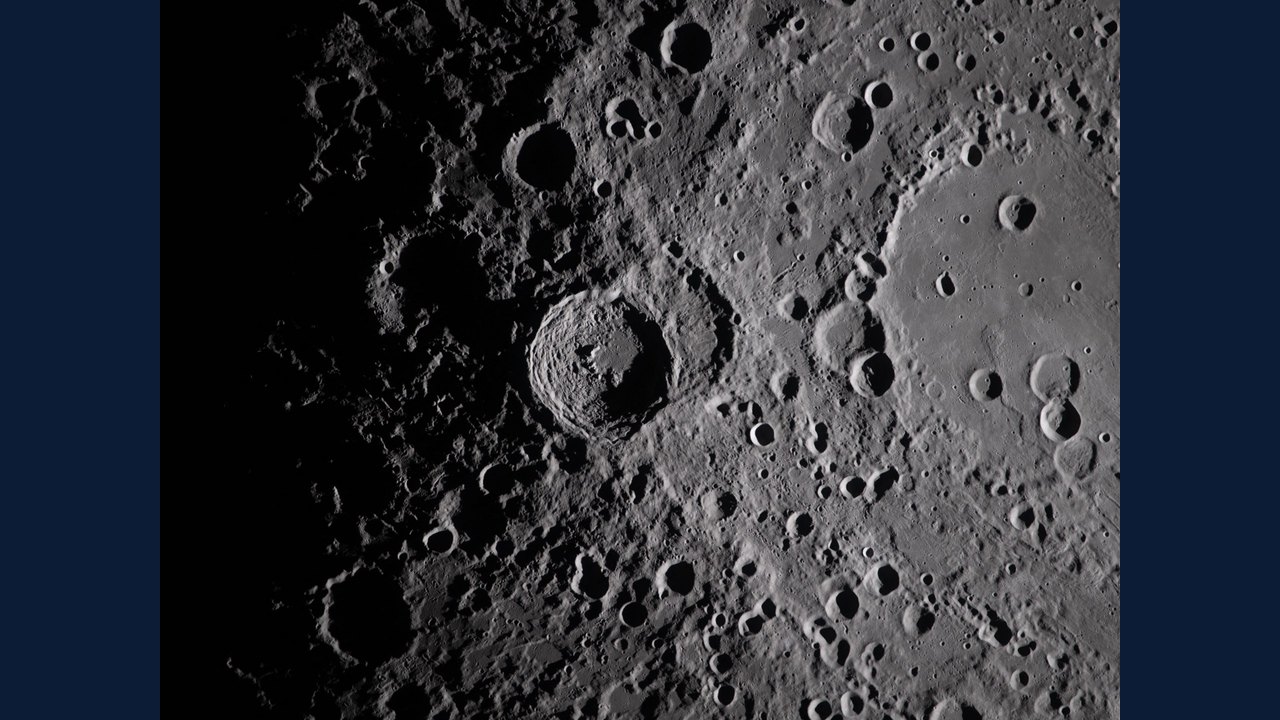
Image: Mariem Bah · Photo source · Resized and letterboxed to 16:9; no AI generation
Overview of Lunar Nuclear Plans
The United States, Russia, and China are pursuing plans to place nuclear reactors on the moon to power future lunar bases and resource extraction. According to reported announcements, NASA aims to develop a US lunar reactor by the end of 2030, while Russia, in coordination with China, targets a similar deployment by 2036.
Experts and scientific institutes have noted that these initiatives are driven by the need for continuous power supplies to support human habitation and industrial activities near the lunar south pole.
Technical Specifications and Power Needs
Official and reported proposals outline distinct parameters for the planned reactors:
- NASA's Lunar Reactor 1: Designed to generate 20 kilowatts of electricity, weigh under 6,000 kg, and operate for five years without maintenance.
- Russia's Selena Reactor: Expected to produce 10 kilowatts, weigh between 1,100 and 1,300 kg for a lighter lunar landing, and run for a decade without maintenance.
Scientists explain that solar power is insufficient for sustained lunar base operations because sunlight only reaches any given spot on the moon half the time, leaving solar panels dark for roughly two weeks each month. Alternatives such as diesel or batteries are considered cost-prohibitive due to transportation expenses from Earth, making nuclear energy an evaluated choice.
Historical Context and Safety Considerations
The use of nuclear power in space is not unprecedented. During the Cold War, the Soviet Union launched over 30 nuclear fission reactors into Earth's orbit to power radar-tracking spy satellites. The US has also explored space nuclear programs over decades, though previous initiatives faced delays due to shifting budgets and technical hurdles.
Safety remains a central discussion point among scientists and analysts:
- Launch and Transport: Both US and Russian officials state that reactors will remain inactive during transit to minimize radioactive risks until deployment.
- Potential Mishaps: Experts note that unspent uranium before reactor activation carries relatively low radioactivity. However, historical incidents—such as the 1978 reentry of a Soviet satellite carrying a reactor that scattered debris over northern Canada—highlight potential hazards associated with operational nuclear material.
- Lunar Impact: Specialists suggest that any contamination resulting from an accident on the moon would likely remain extremely localized compared to incidents on Earth.
Legal Framework and Governance
The 1967 Outer Space Treaty prohibits countries from claiming sovereignty over celestial bodies while permitting the ownership of deployed equipment and peaceful resource utilization. Legal experts point out that while nuclear power is not banned, questions remain regarding long-term liability, environmental protection, and the establishment of informal safety zones around operational reactors.
Independent verification of these space programs relies on official government agency announcements, policy reports from organizations such as the Lunar Policy Platform, and peer-reviewed scientific commentary.
AI-assisted reporting; source claims are attributed and have not been independently verified.
More to read
 China’s Chang’e-7 Mission Prepares to Hunt for Lunar Ice at the Moon's South Pole
 Ukraine and Russia Begin Localized Oleshky Ceasefire for Humanitarian Aid
 Report Alleges North Korean Workers Recruited into Forced Labour in Russia
 Kylian Mbappe, Real Madrid and La Liga Face Reputation Repair Challenge in China
Related coverage
Related reporting available at publication.
China’s Chang’e-7 Mission Prepares to Hunt for Lunar Ice at the Moon's South PoleUkraine and Russia Begin Localized Oleshky Ceasefire for Humanitarian AidReport Alleges North Korean Workers Recruited into Forced Labour in RussiaKylian Mbappe, Real Madrid and La Liga Face Reputation Repair Challenge in China Ethiopia Bolsters Military with Russian Su-35 Jets and S-400 Defences
 US Vice President Vance Sends Letter to Iran’s Security Chief Amid Escalation Warnings