Wildlife Conservation Action Reports 98% Drop in Two Wards, but Baselines Remain Unpublished
· GlobeWire Daily Editorial Desk · Source: www.techtimes.com
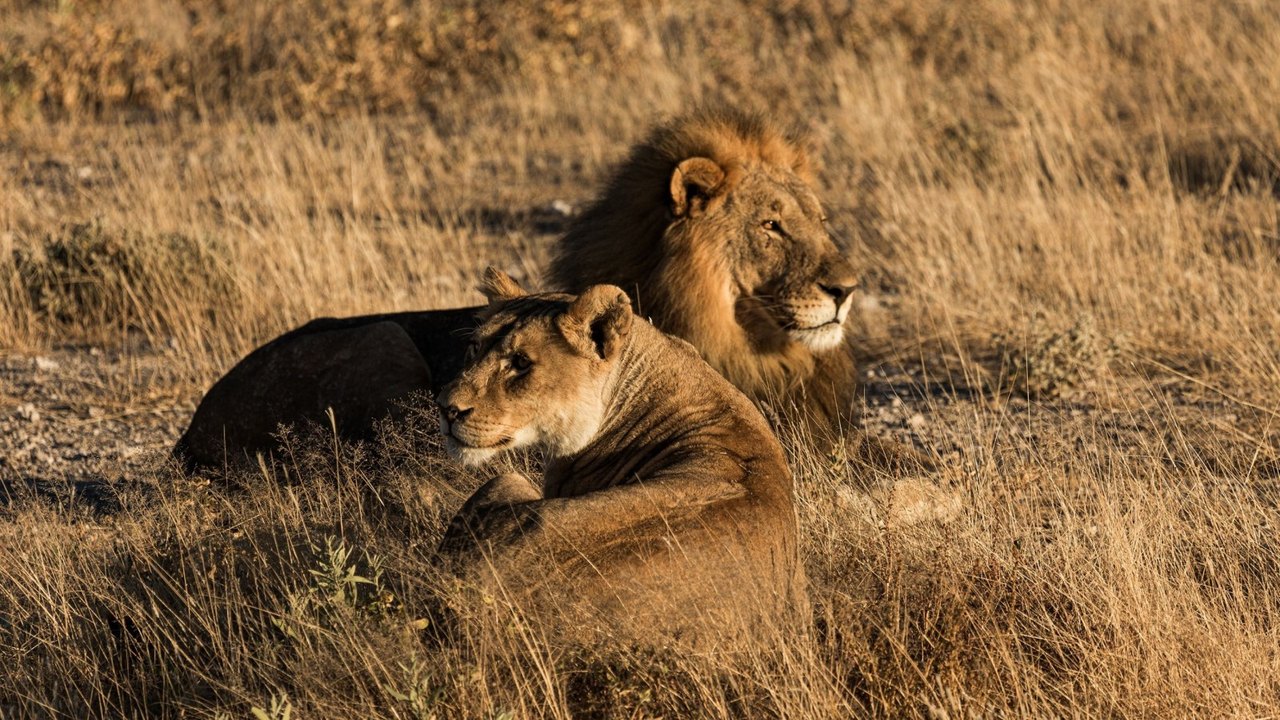
Image: Tech Times · Photo source · Resized and letterboxed to 16:9; no AI generation
Overview
Wildlife Conservation Action (WCA), a Zimbabwean nonprofit founded in 2019 by conservation biologist Moreangels Mbizah, has reported a 98% reduction in human-wildlife conflict incidents in its first two project wards within the Nyaminyami District, alongside a composite 53% drop across three northern districts. However, the organization has published no raw incident counts, baseline figures, or measurement definitions, and the sources reviewed contain no independent evaluation confirming these percentages.
The model relies on a combination of low-tech community methods—such as mobile cattle enclosures, stilt-raised kraals, and solar-powered flashing lights—and a technology layer featuring GPS collars and planned data tracking. As WCA expands its footprint into Hwange District and collaborates on Zimbabwe's national human-wildlife coexistence strategy, experts and observers note that evaluating the program's reported success requires clearer baseline data.
Reported Metrics and Geographic Scope
WCA's self-reported figures span multiple administrative areas:
- Nyaminyami District: A reported 98% decline in conflict incidents across wards 3 and 4 over a five-year period.
- Three Northern Districts: A reported 53% (or 49%, depending on the cited source) composite decline across Nyaminyami, Mbire, and Binga.
- Adoption and Protection: WCA reports that 10,341 households have adopted non-lethal mitigation strategies, protecting 20,351 livestock valued at approximately $2,602,950, though partner organizations like the Whitley Fund for Nature cite slightly different figures of 18,000 livestock valued at $2.3 million.
Program Methods: Batabilili Guardians and Tools
WCA recruits and trains local community members known as "Batabilili" guardians to manage conflict mitigation across three operational pillars:
- Monitoring: Guardians inspect for tracks daily and utilize GPS collars on lions and elephants to issue early warnings if collared animals approach human settlements.
- Prevention: Guardians assist farmers in securing livestock in elevated kraals (raised about 1.5 meters off the ground), bomas, and enclosures equipped with solar-powered flashing lights.
- Response: Guardians collect incident data and offer emotional support to community members following livestock or property losses.
Independent Evidence and Limitations
While WCA's specific deployments lack independent evaluations in the reviewed sources, individual tools used within the program have been tested in other regions:
- GPS Collar Geofences: A two-year pilot study in Botswana's Okavango Delta found that collar-triggered alerts improved livestock protection by enabling informed risk management, though researchers cautioned that scaling such systems remains challenging.
- LED Flashing Lights: A study near Nairobi National Park indicated that lit enclosures experienced fewer attacks, though lions adapted by shifting targets to unlit enclosures and daytime hours.
- Comparative Guardian Programs: Studies on similar initiatives, such as Lion Guardians in Kenya and Long Shields in Zimbabwe, demonstrated reductions in retaliatory lion killings, though researchers note that separating the precise impact of individual interventions can be difficult.
National Context and Open Questions
Human-wildlife conflict remains a significant national issue in Zimbabwe. Reports indicate thousands of recorded incidents over the past decade, resulting in fatalities, injuries, and substantial livestock losses. As WCA expands into Hwange District with funding from its 2026 Whitley Award, open questions remain regarding baseline metrics, long-term lion population growth, land-use pressures, and independent verification.
AI-assisted reporting; source claims are attributed and have not been independently verified.
More to read
 Teachers Want to Prepare Pupils for Post-16 Life, but Funding Questions Remain
 Deoria: Wires and Poles Remain in Schools Two Months After District Magistrate's Order
 Parallels 27 Review: Better Graphics and Apple Silicon Focus, but Subscription Costs Remain
 Duolingo Shareholders Face December 7 Deadline in Securities Fraud Class Action Following Stock Drop