Examining the Legacy of Aleister Crowley, the Self-Proclaimed 'Great Beast 666'
· GlobeWire Daily Editorial Desk · Source: www.bbc.com
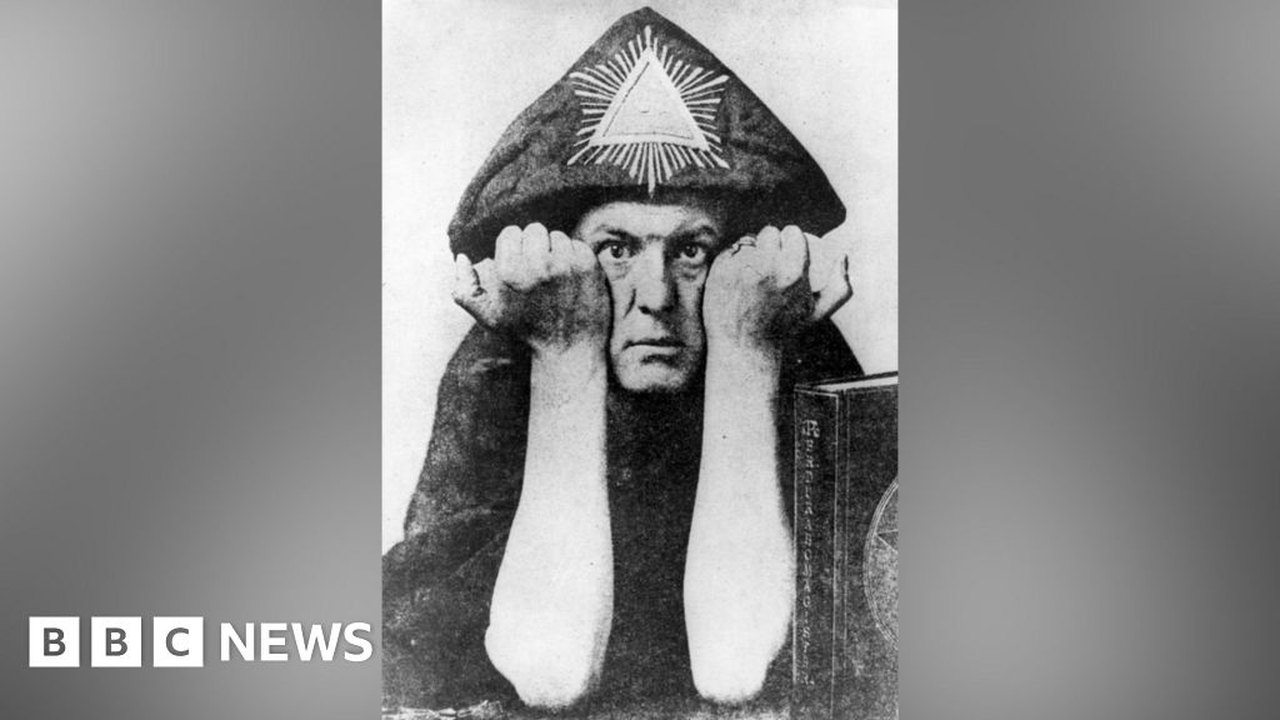
Image: www.bbc.com · Photo source · Resized and letterboxed to 16:9; no AI generation
Aleister Crowley, historically dubbed the 'world's wickedest man' and the self-proclaimed 'Great Beast 666', remains a subject of enduring fascination and controversy nearly 80 years after his death. Born in 1875, Crowley lived a multi-faceted life as an occultist, poet, writer, magician, painter, chess player, and mountaineer. While critics historically condemned him as a drug user, sexual deviant, Satanist, and traitor, recent historical perspectives and accounts from authors like Antony Clayton and Gary Lachman provide a more nuanced look at his later years and cultural impact.
Life and Controversies
Crowley's public image was largely shaped by his founding of the religion Thelema, his open bisexuality during a time when homosexuality was illegal in Britain, and his deliberate efforts to shock Victorian and 20th-century bourgeois society.
- Thelema and Misconceptions: Authors note that Thelema was often mischaracterized by the press and public. Its famous maxim, 'do what thou wilt', was frequently misinterpreted as a license for hedonism, whereas proponents state it actually referred to discovering one's true self.
- Wartime Allegations: During World War One, Crowley contributed to a pro-German magazine in the US, earning accusations of treason. While defenders and some research argued he operated as a double agent feeding information to British intelligence, others dispute this claim.
- Publicity Seeking: According to Clayton, Crowley relished his terrible public image and actively courted controversy, drawing comparisons to a modern self-publicist.
Final Years in East Sussex
Contrary to popular misconceptions that Crowley died in poverty in a seedy guesthouse, author Antony Clayton notes that Crowley spent his final years 'enjoying the good life' in Hastings after settling there toward the end of World War Two.
- He lodged at Netherwood, a bohemian intellectual guesthouse, renting room number 13 on a friend's recommendation.
- He spent his time walking, writing books and letters, and receiving numerous visitors.
- Despite these comforts, authors describe him as a frail old man in his final years, heavily dependent on prescribed heroin for asthma amidst declining health.
Cultural Impact and Death
Crowley eventually passed away at age 72 due to chronic bronchitis, aggravated by pleurisy and myocardial degeneration, and was cremated in Brighton. Despite the controversies surrounding his lifestyle and the trail of troubled individuals associated with his circle, Crowley later became a counterculture icon in the 1960s. He influenced prominent musicians such as The Beatles—appearing on the cover of *Sgt. Pepper's Lonely Hearts Club Band*—alongside Jimmy Page, David Bowie, Ozzy Osbourne, and The Rolling Stones.
To verify historical details regarding Crowley's life, researchers can consult biographical archives, historical literature by authors like Antony Clayton and Gary Lachman, and records from regional historical societies in East Sussex and Kent.
AI-assisted reporting; source claims are attributed and have not been independently verified.
More to read
 Examining Recent Global News Reports and Verification Challenges
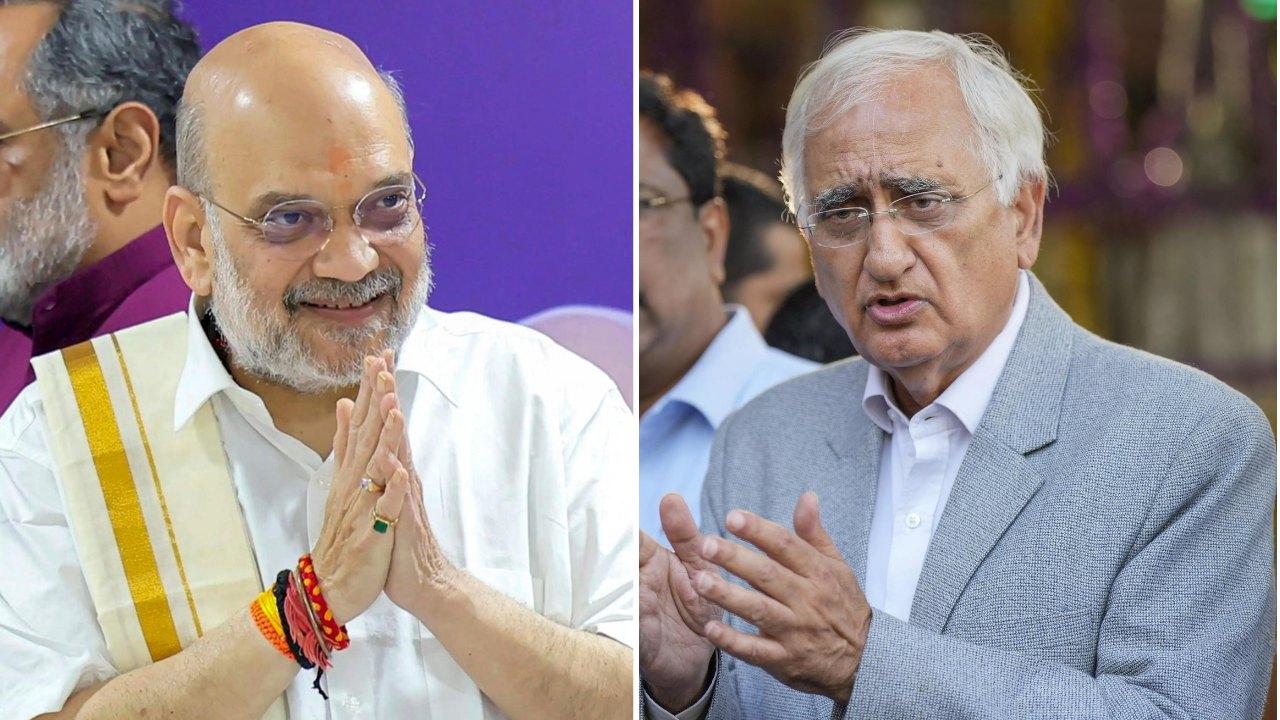 Congress Rebuts Amit Shah’s Allegations Regarding Sardar Patel’s Legacy
 Phil Parkinson Calls for Honest Self-Assessment After Wrexham's Defeat to Sheffield United
 Examining the iPhone Duo 'Crackgate' Claims: Why a Few Faulty Units Do Not Signify a Major Crisis
Trending on GlobeWire Daily
Selected from recent coverage and related topics; not live search rankings.
 Madhya Pradesh Government Plans Revenue Generation from 117-Year-Old Edward Villa in Mumbai Through Leasing
 iPhone 18 Pro Named TechRadar Product of the Year 2026
 Google Project Suncatcher Runs Gemma 4 AI on Orbiting Satellite and Receives First Response
 Gender Disparities in Eye Care Access Across India Examined
 Satellite Images Show Cyclone Arnab Weakening Over India As New System Brews
 Expanding Green and Blue Spaces Crucial for India's Economic and Public Health, Reports Indicate