Pakistan Weighs Controversial Plans to Create New Provinces Amid Debates Over Costs and Constitution
· GlobeWire Daily Editorial Desk · Source: www.aljazeera.com
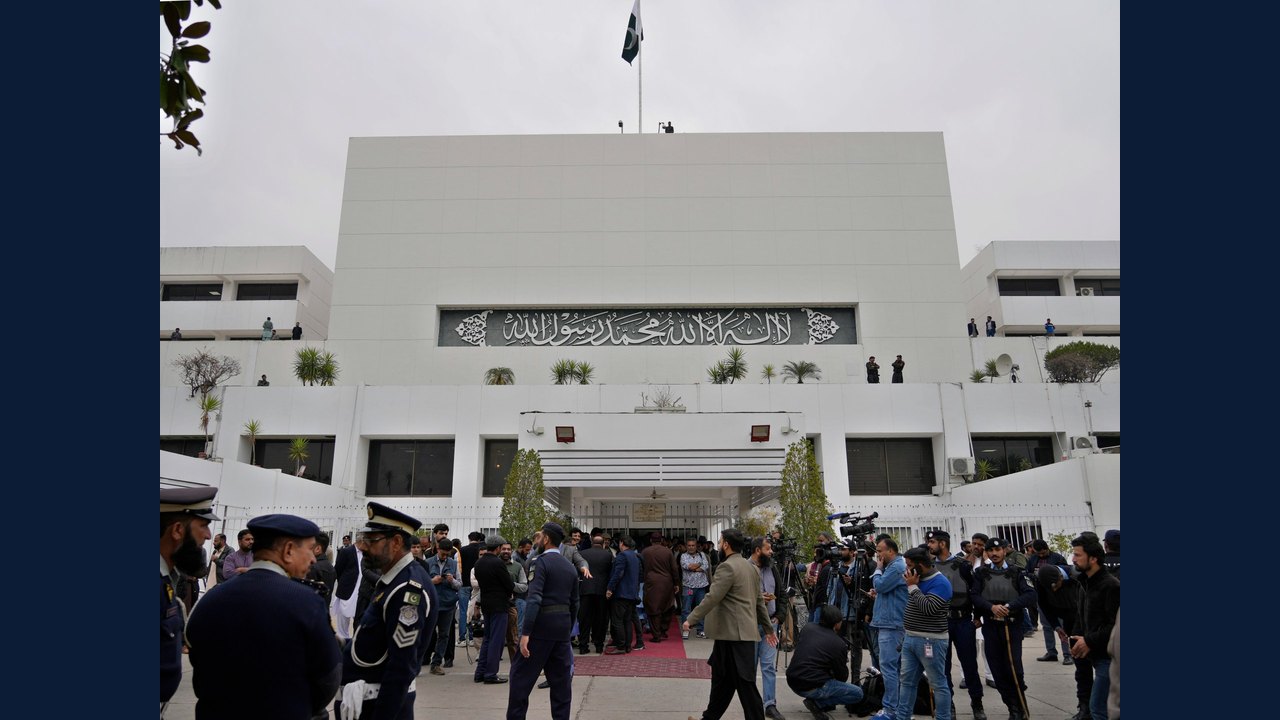
Image: Abid Hussain · Photo source · Resized and letterboxed to 16:9; no AI generation
Discussions regarding the creation of new administrative units and provinces in Pakistan have gained momentum following public remarks from government officials, though no formal constitutional draft or agreed timeline has been officially published.
Official Statements and Timeline
Defence Minister Khwaja Asif stated in a television interview that the country could see a new system and multiple new provinces as early as the New Year. However, Asif emphasized that he was offering his personal assessment and lacked inside information.
The debate follows initial public remarks made in July by Interior Minister Mohsin Naqvi, who argued that new administrative units are necessary to improve governance for Pakistan's population of approximately 250 million. Planning Minister Ahsan Iqbal has previously mentioned the possibility of creating 12 to 15 provinces through consensus.
Constitutional Hurdles and the Referendum Proposal
Pakistan’s Constitution currently recognizes four provinces—Punjab, Sindh, Khyber Pakhtunkhwa, and Balochistan—without specifying a standalone procedure for carving out new ones. Any alteration relies on Article 239, which governs constitutional amendments.
- Parliamentary Threshold: Amendments require a two-thirds majority in both the National Assembly and the Senate.
- Provincial Assembly Approval: Under Article 239(4), altering a province's boundaries also necessitates a two-thirds majority in the respective provincial assembly.
Amid these hurdles, Interior Minister Naqvi suggested that the issue could be put to a public referendum. While Article 48(6) permits the prime minister to refer matters of national importance to a joint parliamentary sitting potentially leading to a referendum, legal experts have noted that referendum outcomes are not legally binding and cannot substitute the formal constitutional amendment process.
Economic and Resource Concerns
Critics, including economic analysts and political figures, have raised significant questions regarding financial feasibility, administrative costs, and resource distribution, such as water allocation under the 1991 Water Apportionment Accord.
- Financial Estimates: The Islamabad-based Policy Research Institute of Market Economy (PRIME) estimated that dividing Punjab into three provinces could cost between 46.9 billion and 56.2 billion rupees annually, excluding one-off setup costs.
- Resource Sharing: Current constitutional frameworks do not detail how existing tax pools or provincial shares would be divided among newly formed units.
Political Divisions and Coalition Stances
The proposal has exposed divisions among ruling and coalition parties. The Pakistan Peoples Party (PPP), a key coalition partner governing Sindh, has strongly opposed the division of Sindh, with the Sindh Assembly having passed a resolution rejecting such a move. Meanwhile, other parties like the Muttahida Qaumi Movement-Pakistan (MQM-P) have advocated for administrative changes, including proposals concerning Karachi, while the Pakistan Muslim League-Nawaz (PML-N) has stated that its formal position will be determined when the matter reaches parliament.
AI-assisted reporting; source claims are attributed and have not been independently verified.
More to read
 Cornwall Councillors Approve Controversial Shoreside Falmouth Docks Redevelopment Plans Amid Environmental Protests
 UK Government Withdraws Controversial Plans for Leicester Council Expansion
 Controversial plans for Devon councils withdrawn by government
 Meta Weighs Further Delaying Controversial Business Terms Amid Growing Industry and Political Backlash