Zakir Naik Defends Taliban's Ban on Girls' Education, Drawing Regional Backlash
· GlobeWire Daily Editorial Desk · Source: news.abplive.com
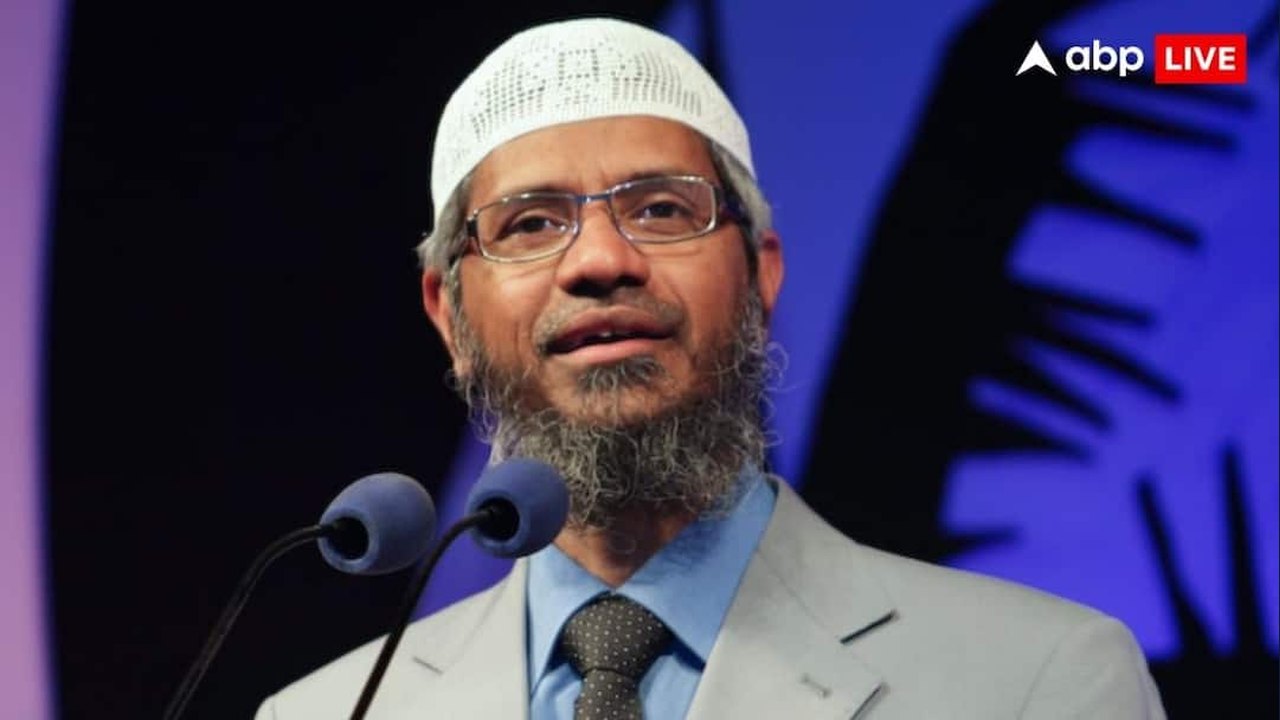
Image: Bharathi SP · Photo source · Resized and letterboxed to 16:9; no AI generation
Fugitive Islamic preacher Zakir Naik has faced widespread criticism from academics, activists, and journalists across India, Pakistan, and Afghanistan after defending the Taliban's restrictions on girls' education in a circulated online video. According to reports, Naik argued that bans on secondary and higher education were temporary security measures and claimed that Afghan women could still pursue certain advanced Islamic studies.
Key Arguments and Statements
- Naik's Claims: In the video, Naik asserted that restrictions up to higher education were linked to an unsafe environment and a shortage of female teachers.
- Reported Conversations: Naik claimed he spoke personally with Taliban representatives, stating that authorities were waiting for suitable conditions before allowing girls to resume education.
- Exceptions Cited: He maintained that girls could study up to Class 6 and pursue specific advanced degrees such as Sharia, Arabic, and Quranic studies.
Criticism and Reactions
- Ziauddin Yousafzai: The UK-based activist and father of Malala Yousafzai called the remarks deeply troubling, arguing that framing an indefinite ban as a delay does not make it acceptable.
- Scholars and Historians: Indian Islamic scholar A Faizur Rahman, historian S Irfan Habib, and YouTuber Ruchika Sharma criticized the remarks, with some questioning why Naik remains permitted to stay in Malaysia.
Contrast With United Nations Reports
- UNICEF Findings: Reports indicate that over 2.6 million Afghan girls have been denied secondary education since the Taliban regained power in August 2021.
- Ban Timeline: Formal education beyond Class 6 was barred in September 2021, university access was halted in December 2022, and medical training institutions were restricted by December 2024.
- Global Context: UNICEF describes Afghanistan as the only nation where secondary and higher education remain effectively inaccessible to women and girls.
Background on Zakir Naik
- Extradition Status: Naik left India in 2016 following allegations regarding his speeches and has faced charges involving money laundering and incitement, all of which he has denied.
- Residency: He obtained permanent residency in Malaysia in 2017, and Indian extradition efforts have not succeeded so far.
Readers can verify these developments by consulting official United Nations and UNICEF reports on Afghan education policies or reviewing statements from international human rights organizations and news agencies.
AI-assisted reporting; source claims are attributed and have not been independently verified.
More to read
 Ahaana Krishna Defends Family Individuality Amid Diya Krishna's Online Backlash
 Linking Girls’ Education to Climate‑Resilient Futures: UK’s New Integrated Strategy
 Kanya Sumangala Scheme Helps Over 46,000 Girls in Bareilly Pursue Education
 UK Education Secretary Defends Oracy Curriculum Reforms Amid Criticism