Linking Girls’ Education to Climate‑Resilient Futures: UK’s New Integrated Strategy
· GlobeWire Daily Climate Desk · Source: www.gov.uk

Image: GOV.UK — https://www.nationalarchives.gov.uk/doc/open-government-licence/version/3/ · Photo source · License terms · Resized and letterboxed to 16:9; no AI generation
Summary
The UK Foreign, Commonwealth & Development Office (FCDO) has published a policy paper that frames girls’ education as a central lever for tackling climate, environment and biodiversity crises. It outlines evidence of how climate‑related disasters disrupt schooling for up to 40 million children a year, especially girls, and proposes two pathways – building resilient education systems and equipping learners with climate‑adaptation skills – to create a climate‑smart education agenda.
Key Points
- Scale of disruption – Extreme weather events are now occurring almost five times more often than 40 years ago, destroying schools, forcing migration and pulling children, particularly girls, out of class.
- Education as adaptation – Quality schooling builds human capital that improves community resilience, supports climate‑smart livelihoods and can reduce vulnerability to future shocks.
- UK policy framework – The paper aligns with the Department for Education’s Sustainability and Climate Change Strategy (new Natural History GCSE, net‑zero school buildings, green‑skills conference 2023) and the Girls’ Education Action Plan (2021).
- Two pathways for action
- Resilient, inclusive systems – Strengthen school infrastructure, integrate disaster‑risk management, ensure safe water, sanitation and hygiene (WaSH) and protect marginalized groups.
- Climate‑smart curricula – Embed climate science, STEM and socio‑emotional skills so learners can assess risk, innovate adaptation solutions and participate in green economies.
- Target outcomes – Contribute to the UK‑backed global goals of 40 million more girls in school and 20 million more girls reading by 2026, while supporting the Glasgow Climate Pact commitments.
Practical Implications
- For NGOs and donors – Align funding proposals with the two pathways, emphasizing infrastructure upgrades and curriculum development.
- For ministries of education – Conduct vulnerability assessments of schools, prioritize gender‑responsive disaster planning, and adopt the Natural History GCSE as a model.
- Verification – The full paper is available on the UK government website (link in source). Stakeholders can cross‑check statistics on school disruption with UN ICEF and World Bank data.
How to Follow Up
- Review the FCDO paper’s annexes for country‑specific case studies (e.g., Mozambique, Burundi, Zambia).
- Track the implementation of the DfE’s net‑zero school building programme, slated for all new schools built after 2023.
- Monitor progress reports from the Girls’ Education Action Plan, published annually by the UK government.
--- Note: All figures and targets are drawn from the official UK publication; no new quotes or speculative data have been added.
AI-assisted reporting; source claims are attributed and have not been independently verified.
More to read
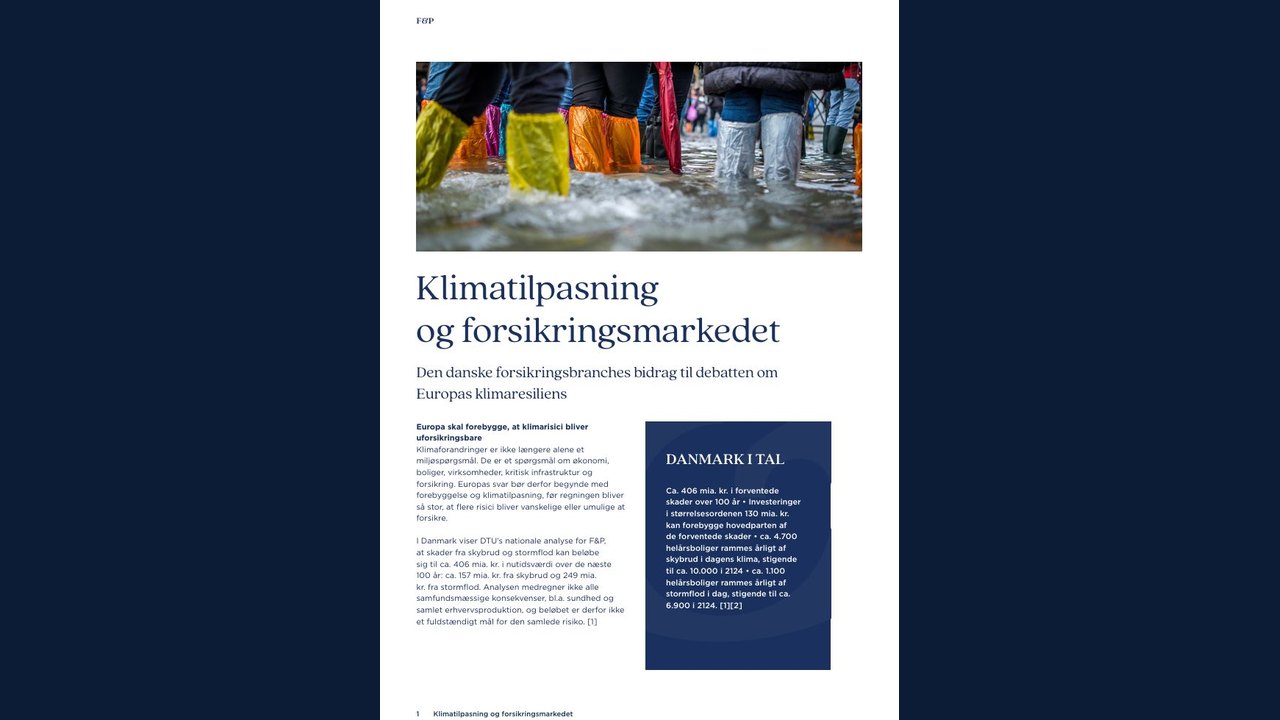 EU Commission Releases Plan for a More Climate-Resilient Europe After Two-Year Wait
 Public Debate Intensifies Over UK Gasfield Approval, Climate Adaptation, and Net-Zero Strategy
 Zakir Naik Defends Taliban's Ban on Girls' Education, Drawing Regional Backlash
 Kanya Sumangala Scheme Helps Over 46,000 Girls in Bareilly Pursue Education