Shubman Gill Tests AI-Powered 'Temple' Device During Auckland Training
· GlobeWire Daily Editorial Desk · Source: www.amarujala.com

Image: Amar Ujala · Photo source · Resized and letterboxed to 16:9; no AI generation
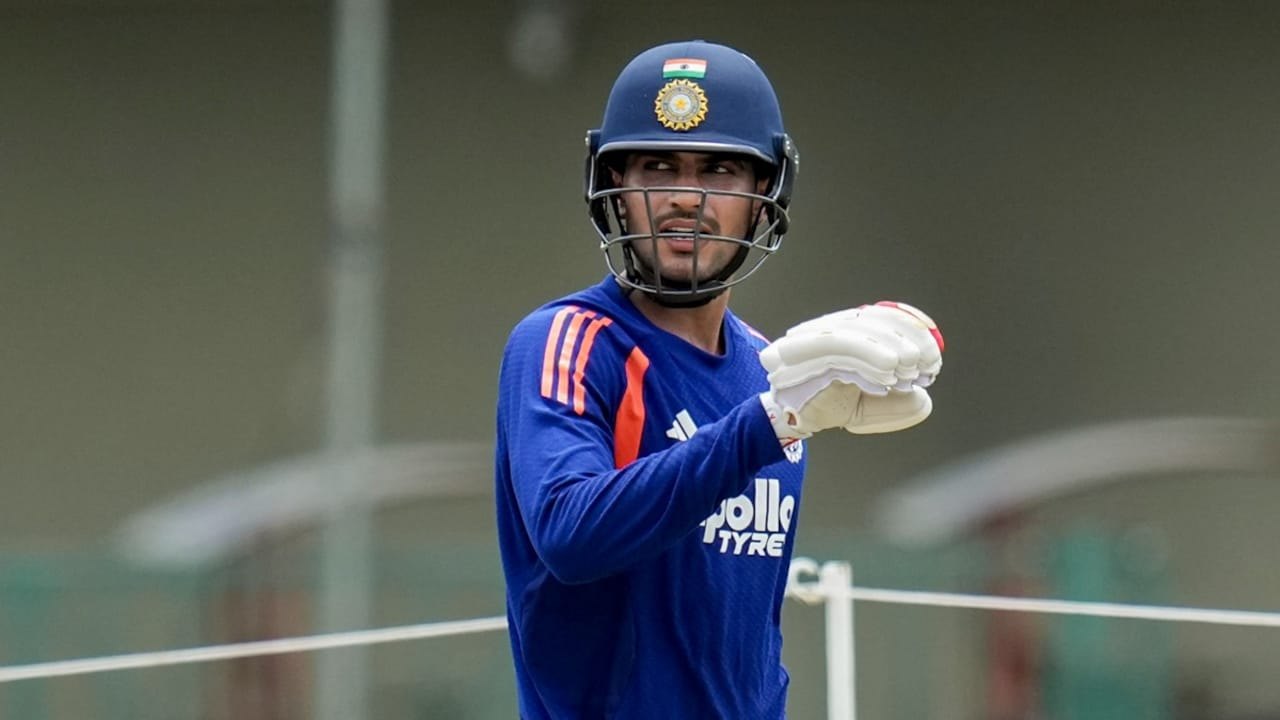
Ahead of the upcoming five-match ODI series against New Zealand starting November 4, Indian team captain Shubman Gill was spotted using a new AI-based fitness tracking device during a net practice session in Auckland. The device, worn on the forehead, has drawn attention for its unique approach to athletic performance monitoring.
Understanding the 'Temple' Device
The device is positioned just above the eyes on the forehead. Unlike traditional fitness bands or smartwatches that primarily monitor heart rate or steps, this tool focuses on different physiological indicators:
- Brainflow Monitoring: The technology, referred to as 'Brainflow', purportedly tracks changes related to blood flow in the brain.
- Entropy Scoring: It utilizes an 'Entropy' score, which is claimed to provide insights into physical exertion, rest, and recovery cycles.
- Stress Analysis: The device is designed to monitor responses from the nervous system and signs of physical stress during intense training.
Important Considerations
While the device is a point of interest for sports technology, it is important to note the following limitations:
- Limited Public Data: There is currently limited independent information regarding the device's specific capabilities or how it compares to standard fitness tracking metrics.
- Not a Medical Tool: The device is not a certified medical instrument and should not be considered a tool for diagnosing neurological conditions or a substitute for professional medical advice, MRI scans, or clinical examinations.
As the team prepares for the New Zealand series, such technology highlights the growing emphasis on data-driven athletic training. However, the accuracy and practical utility of these brain-focused metrics remain subject to further scientific verification.
AI-assisted reporting; source claims are attributed and have not been independently verified.
More to read
 Shubman Gill sports Temple brain-tracking wearable in training ahead of New Zealand ODIs
 Shubman Gill Steps Up Training Ahead of India's ODI Series in New Zealand
 Shubman Gill Begins Preparations for India-New Zealand ODI Series Starting November 4
 Shubman Gill Faces Social Media Discussion After Fan Claims He Declined Photo Request
Trending on GlobeWire Daily
Selected from recent coverage and related topics; not live search rankings.
 Madhya Pradesh Government Plans Revenue Generation from 117-Year-Old Edward Villa in Mumbai Through Leasing
 iPhone 18 Pro Named TechRadar Product of the Year 2026
 Google Project Suncatcher Runs Gemma 4 AI on Orbiting Satellite and Receives First Response
 Gender Disparities in Eye Care Access Across India Examined
 Satellite Images Show Cyclone Arnab Weakening Over India As New System Brews
 Expanding Green and Blue Spaces Crucial for India's Economic and Public Health, Reports Indicate