Style on the Campaign Trail: How US Midterm Candidates Use Clothing to Signal Authenticity
· GlobeWire Daily Editorial Desk · Source: www.bbc.com
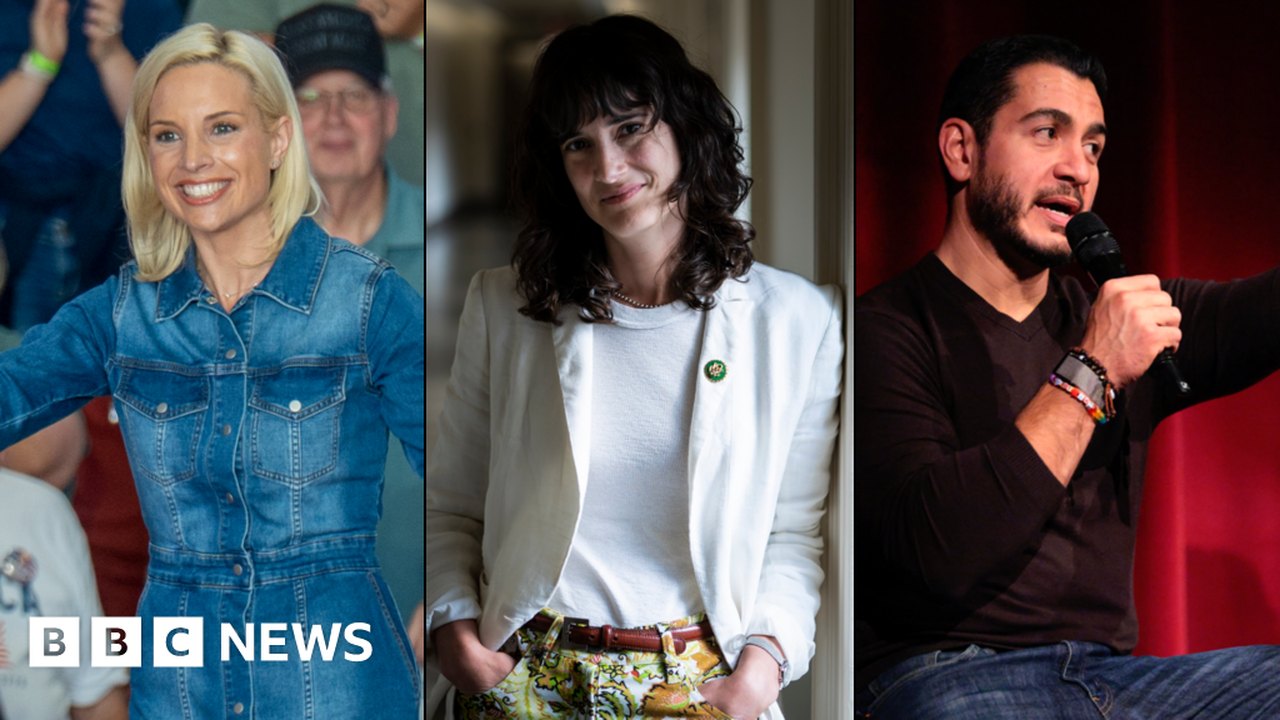
Image: www.bbc.com · Photo source · Resized and letterboxed to 16:9; no AI generation
Summary
American candidates heading into the 2024 midterm elections are turning fashion into a political tool. From Alaska’s native‑inspired boots to Iowa’s flag‑adorned heels, wardrobe choices are being used to convey authenticity, regional identity and party affiliation.
Key Examples
- Marie Gluesenkamp Perez (D‑WA‑3) – The former auto‑shop owner favors work jackets, flannel shirts, jeans and sturdy shoes, matching her “working‑class” message. Commentators note the look resonates with the Pacific Northwest’s outdoor culture.
- Mary Peltola (D‑AK) – The Alaska senator‑candidate continues to wear Yup’ik‑style boots and rugged outerwear, echoing her fishing‑boat background and the “fish, family and freedom” slogan.
- Ashley Hinson (R‑IA) – Hinson mixes classic Americana with overt patriotism, including denim dresses, red bandanas and American‑flag‑embellished pumps, a visual cue aimed at rural voters.
- Ken Paxton vs. James Talarico (TX) – Both candidates adopt relaxed blazers and cowboy boots, a nod to Texas identity. Talarico’s handcrafted Lucchese boots are highlighted as a cross‑party symbol, while Paxton’s luxury watch and Four Seasons polo have drawn criticism for suggesting elitism.
- Marsha Blackburn (R‑TN) – The Senate‑to‑governor hopeful is noted for polished jackets, skirts and pearls, a timeless look cultivated over decades.
- Abdul El‑Sayed (D‑MI) – The Senate challenger sticks to a black V‑neck tee and blue jeans, branding himself as a “minimal look, maximal politics” candidate appealing to urban, working‑class voters.
Expert Commentary
Fashion stylists such as Joe Zee and political observers like Robert Ordway stress that clothing now functions as a “visual brand.” A well‑chosen outfit can signal party loyalty, regional roots or a candidate’s socioeconomic stance in a single glance. The decline of the necktie, noted by Ordway, illustrates a broader shift toward casual, relatable attire across both parties.
Practical Implications for Voters
- Authenticity Check: Compare a candidate’s wardrobe with their stated platform (e.g., small‑business support vs. upscale accessories).
- Regional Signals: Boots, flannels or indigenous motifs often tie a candidate to local culture.
- Social‑Media Impact: Images of distinctive clothing are amplified online, influencing perception faster than policy statements.
How to Verify
The observations above are drawn from on‑the‑ground reporting by the BBC and statements from fashion experts quoted in the original article. For the latest visual evidence, consult the candidates’ official social‑media accounts and reputable news outlets covering the midterms.
Outlook
Analysts predict that visual branding will grow even more important in the 2028 elections, as social media continues to dominate political communication.
--- Keywords: "US midterm fashion", "candidate clothing", "authenticity in politics", "regional style cues", "campaign wardrobe"
AI-assisted reporting; source claims are attributed and have not been independently verified.
More to read
 US Midterm Campaign Ads Link Candidates to Jeffrey Epstein
 Democrats Target Epstein In Midterm Campaign Strategy, Raising Questions Over Legislative Priorities
 US Midterm Candidates Intensify Outreach to Indian-American Voters
 US Midterm Candidates Engage Indian-American Voters Through Cultural Outreach
Trending on GlobeWire Daily
Selected from recent coverage and related topics; not live search rankings.
 Madhya Pradesh Government Plans Revenue Generation from 117-Year-Old Edward Villa in Mumbai Through Leasing
 iPhone 18 Pro Named TechRadar Product of the Year 2026
 Google Project Suncatcher Runs Gemma 4 AI on Orbiting Satellite and Receives First Response
 Gender Disparities in Eye Care Access Across India Examined
 Satellite Images Show Cyclone Arnab Weakening Over India As New System Brews
 Expanding Green and Blue Spaces Crucial for India's Economic and Public Health, Reports Indicate