Sophisticated Malware Campaign Targets Online Poker Players
· GlobeWire Daily Editorial Desk · Source: www.engadget.com

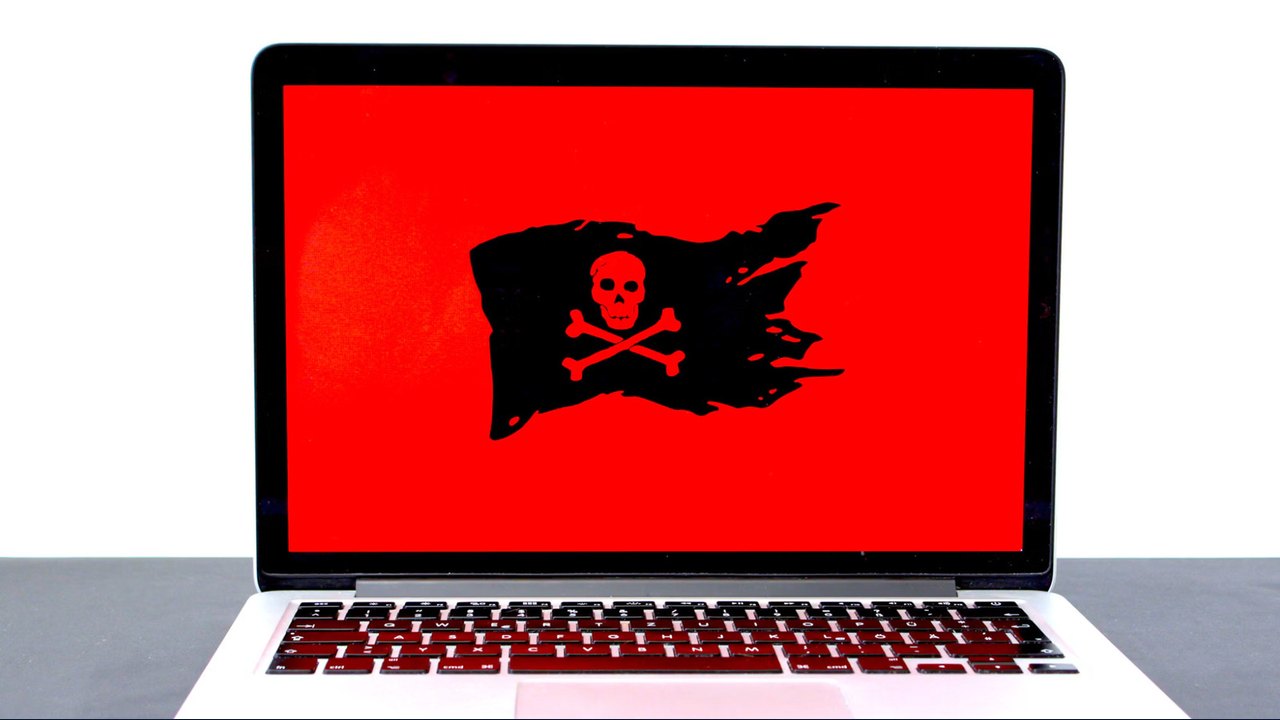
Image: Engadget · Photo source · Resized and letterboxed to 16:9; no AI generation
The Incident Overview
A recent report details a significant security breach affecting the online poker community, where hundreds of players were allegedly targeted by a malicious actor. This attack reportedly utilized specialized malware to grant an unauthorized user remote access to victims' screens, effectively allowing them to view opponents' hands in real-time.
Understanding the 'Superuser' Strategy
The technique of gaining illicit access to view private player cards is referred to as a "superuser" strategy. In this instance, the attacker allegedly exploited legitimate third-party software—often used by professional players to manage multiple tables simultaneously—to install a backdoor program known as MeshAgent. This allowed the perpetrator to bypass game security and gain an unfair advantage, potentially resulting in millions of dollars in losses across several platforms.
Platform Responses and Security Disparities
The reaction from online poker platforms has been varied, highlighting significant inconsistencies in how these services handle security complaints:
- Proactive Measures: Some platforms banned the accounts involved before the full extent of the malware was known, flagging them due to statistically impossible win rates.
- Post-Incident Support: Several services provided technical diagnostic tools for players to verify if their local machines had been infected with MeshAgent.
- Denial of Claims: At least one platform reportedly allowed the suspect to continue playing despite internal and external complaints, stating they found no evidence of compromised game integrity and refusing to provide restitution to affected users.
How to Protect Yourself
While the identity of the alleged hacker remains undisclosed pending formal charges, the incident serves as a critical warning regarding digital hygiene. Cybersecurity experts recommend:
- Avoiding the installation of unverified third-party software or "helper" tools for gaming.
- Regularly scanning systems for unauthorized remote management software.
- Keeping operating systems and antivirus definitions up to date to block known exploits.
For those concerned about their gaming accounts, it is advisable to contact your specific poker platform’s support department to inquire about security audits or recent account activity logs.
AI-assisted reporting; source claims are attributed and have not been independently verified.
More to read
 Hackers Target High-Stakes Online Poker Players with Screen-Viewing Malware
 New Cybercrime Campaign Spreads Cryptojacking Malware via Fake AI Apps and SEO Poisoning
 Hackers Exploit Cisco SD-WAN Vulnerability to Deploy Custom KeyDrift Malware
 Fake PS5 Emulators on GitHub Spread Password‑Stealing Malware, NordVPN Warns
Related coverage
Related reporting available at publication.
Hackers Target High-Stakes Online Poker Players with Screen-Viewing MalwareNew Cybercrime Campaign Spreads Cryptojacking Malware via Fake AI Apps and SEO PoisoningHackers Exploit Cisco SD-WAN Vulnerability to Deploy Custom KeyDrift MalwareFake PS5 Emulators on GitHub Spread Password‑Stealing Malware, NordVPN Warns Google Announces Gemini 4 Carbon Model Highlighting AI Coding and Cybersecurity Claims
 Cyber Security Awareness Program Concludes at MMMUT Gorakhpur