Cyber Safety
Tesla commits €3 billion to expand Berlin Gigafactory for Cybercab production
· GlobeWire Daily Editorial Desk · Source: techcrunch.com
Key takeawaysTesla announced a €3 billion (≈ $3.3 billion) expansion of its Berlin‑area Gigafactory, targeting the start of Cybercab manufacturing in 2029. The move underscores the company’s shift toward autonomous‑vehicle services and AI‑driven robotics.

Image: Tim De Chant · Photo source · Resized and letterboxed to 16:9; no AI generation
Summary
Tesla announced a €3 billion (≈ $3.3 billion) expansion of its Berlin‑area Gigafactory, targeting the start of Cybercab manufacturing in 2029. The move underscores the company’s shift toward autonomous‑vehicle services and AI‑driven robotics.
Details
- Investment & timeline – The expansion, detailed by André Thierig, senior director of manufacturing for the Grünheide site, will begin construction in the first half of 2027. The new line is designed to produce up to 1 million vehicles per year once fully operational.
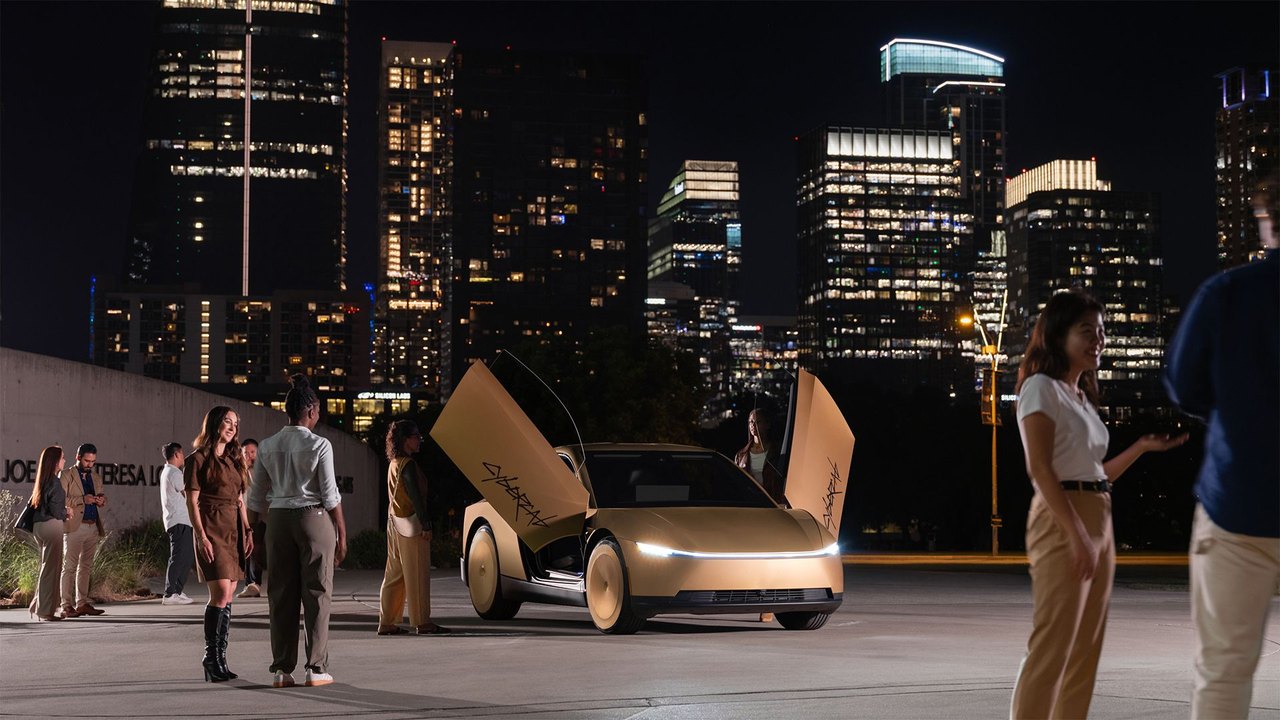
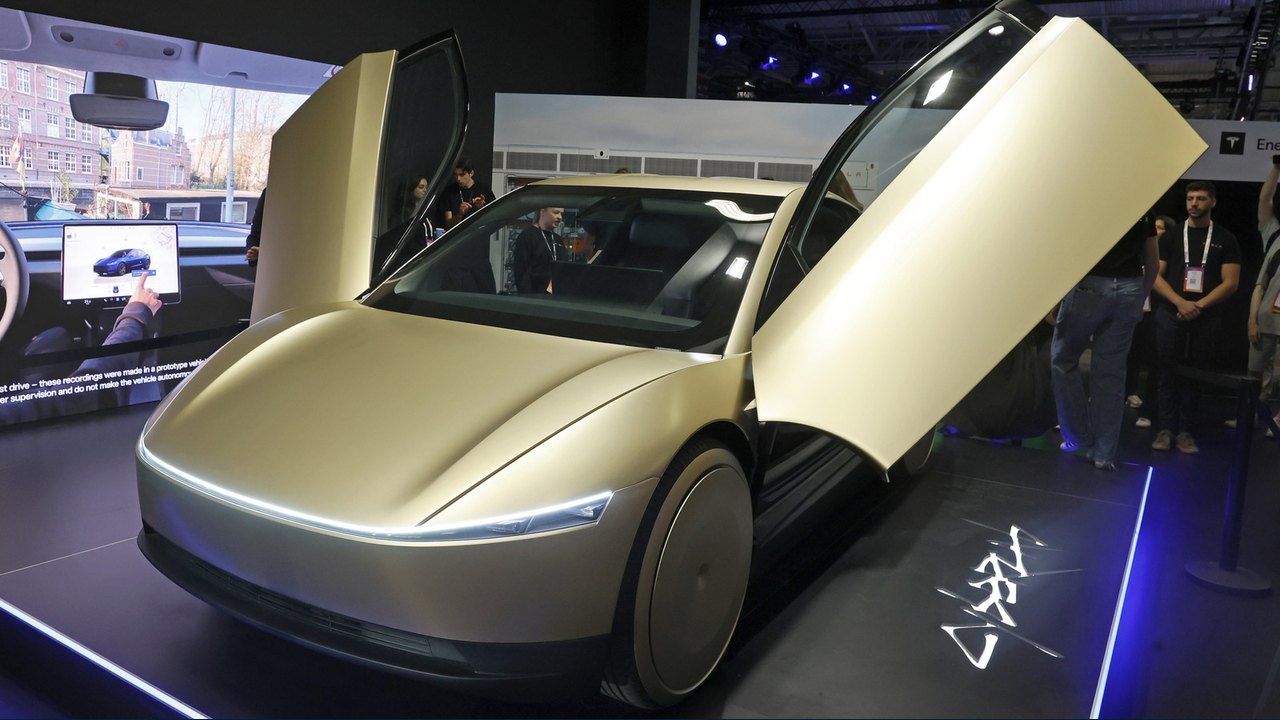
- Cybercab focus – The golden‑hued, two‑seat, steering‑wheel‑free Cybercab, first shown in 2024 and publicly unveiled in September, will be the flagship model for the new capacity. Tesla plans to roll the vehicle out gradually; it is currently limited to daytime operation and has logged two months of service without major incidents.
- Strategic shift – Tesla is reallocating resources from the Cybertruck, which is slated to end production next year, to accelerate the Cybercab rollout in both Austin, Texas, and now Europe. The company frames this as part of its broader ambition to become an AI and robotics firm rather than a conventional automaker.
- Regulatory context – Federal regulators are reviewing Tesla’s self‑certification of the Cybercab, which lacks a steering wheel, pedals and other equipment normally required by safety standards. The vehicle relies solely on camera‑based perception, a contrast to competitors that supplement cameras with lidar and radar.
- Current fleet – Tesla already operates about 1,307 robotaxis in Texas, most of which are modified Model Y units. Cybercab numbers are rising, with roughly 573 units active in Austin and an upcoming deployment in Dallas.
Practical implications
- European rollout – Once the Berlin line is online, Tesla expects to offer a dedicated robotaxi service in major German cities, potentially reducing the need for human drivers in urban mobility.
- Verification – The announcement can be cross‑checked on Tesla’s official LinkedIn page (post by André Thierig) and the company’s press releases. Regulatory filings in the EU will later confirm the safety‑approval status of the wheel‑free design.
- Market impact – Analysts note that the €3 billion spend signals confidence in autonomous‑driving revenue streams, even as traditional EV sales in the U.S. show modest growth.
Unknowns & risks
- Exact pricing and subscription models for the Cybercab service have not been disclosed.
- The timeline for full‑scale production (2029) remains subject to construction delays and regulatory clearance.
- Tesla’s camera‑only approach may face challenges in adverse weather or complex urban scenarios, which could affect rollout speed.
--- *All information is sourced from Tesla’s public statements and reporting by TechCrunch on 16 Nov 2026.*
Share this article
Read the original source: Tesla goes all-in on the Cybercab with upcoming €3B Berlin Gigafactory expansion
AI-assisted reporting; source claims are attributed and have not been independently verified.
More to read
 Tesla Announces €3 Billion Investment for Cybercab Production at Giga Berlin Starting in 2029
 Tesla Announces €3 Billion German Gigafactory Expansion for Cybercab Production Amid Public Skepticism Toward Autonomous Vehicles
 Tesla Plans $3.3 Billion Expansion at German Gigafactory to Boost Production
 Inside Tesla's Radical Unboxed Cybercab Production Process