Inside Tesla's Radical Unboxed Cybercab Production Process
· GlobeWire Daily Editorial Desk · Source: insideevs.com

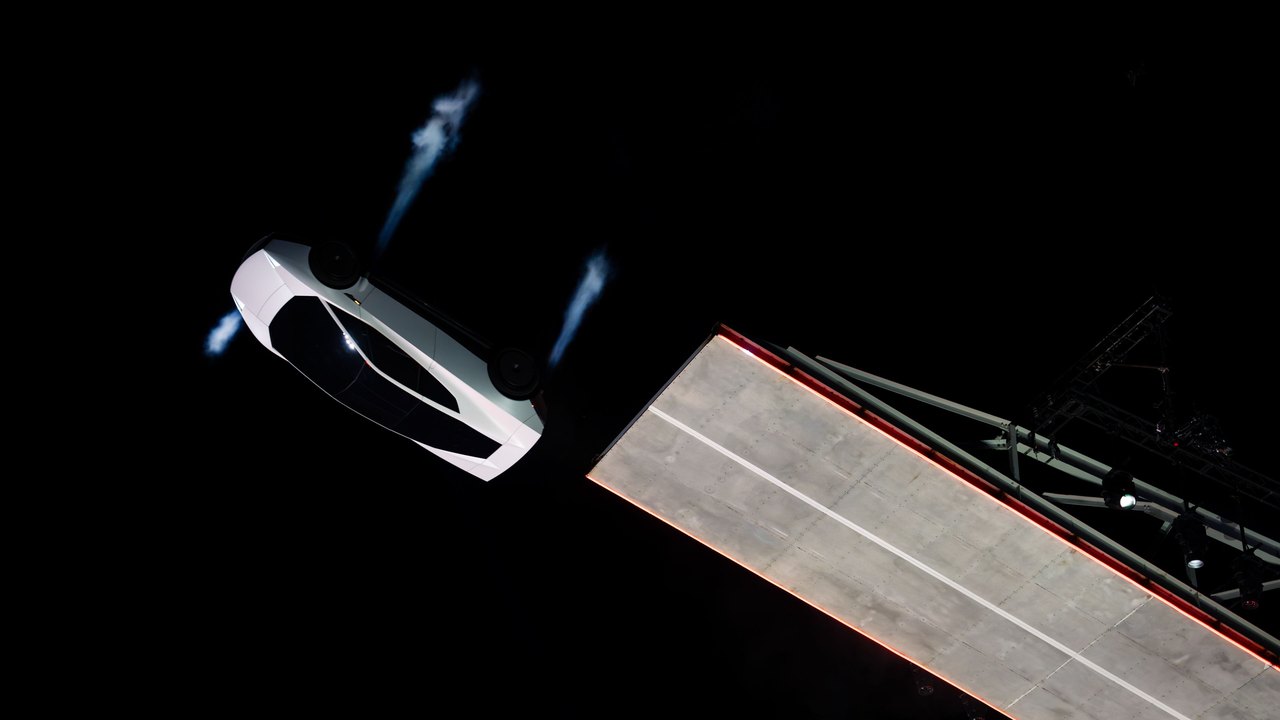
Original GlobeWire Daily editorial illustration — not an event photograph.
Tesla has shared new details about its unconventional manufacturing approach for the Cybercab at its Texas facility, utilizing an "unboxed" assembly method designed to reduce factory space and production steps. According to Tesla, the production process builds major vehicle sections separately before joining them.
The Unboxed Assembly Method
Traditional automobile manufacturing typically begins by assembling a vehicle body, painting it, and subsequently installing mechanical parts, wiring, and interior components across a long assembly line. In contrast, Tesla's reported unboxed process utilizes separate assembly lines to construct and equip the front, rear, sides, and floor independently before final joining.
- Separate Modules: The front module incorporates a positioning pallet for the drive unit, suspension, and thermal hardware, while the front structure carries the dashboard.
- Pre-Installed Components: Sections arrive at the framing line with wiring and hoses already installed. Robots and workers position and join these pre-equipped sections.
- Reduced Final Stations: Final assembly involves approximately 25 stations, which Tesla contrasts with significantly higher counts used for vehicles like the Model Y.
Paint Shop Elimination and Materials
The Cybercab design reportedly bypasses a conventional automotive paint shop. Instead, exterior plastic panels are infused with color during the molding process. Tesla engineering representatives indicate that while steel side structures remain coated, exterior structural modules skip traditional electrocoating. The company states that scratches remain repairable.
Repairability and Testing
Testing occurs iteratively at multiple stages. Individual components are checked prior to larger assembly, and the front module reportedly arrives with computers connected and systems pre-checked. Additionally, the design features replaceable battery modules and improved component access intended to simplify repairs, addressing previous challenges noted in models like the Model Y.
Production Capacity and Status
Tesla reports that the Cybercab line has a potential capacity of 125,000 vehicles per year at full volume. Company representatives note that the factory does not currently run every day because production capability exceeds the current deployment pace. Verification of these manufacturing claims and future delivery timelines can be conducted by reviewing official Tesla investor communications, earnings call transcripts, and published engineering demonstrations.
AI-assisted reporting; source claims are attributed and have not been independently verified.
More to read
 Tesla's Cybercab Spotlights Halloween with Skeleton Passengers in Austin
 The Physics Behind Tesla’s Roadster 2 Prototype Features
 Production Commences for ‘Upgraded 2’ in Venice
 FilmLA Report Shows California Production Fell 3.7% Despite Increased State Tax Credits
Trending on GlobeWire Daily
Selected from recent coverage and related topics; not live search rankings.
 Madhya Pradesh Government Plans Revenue Generation from 117-Year-Old Edward Villa in Mumbai Through Leasing
 iPhone 18 Pro Named TechRadar Product of the Year 2026
 Google Project Suncatcher Runs Gemma 4 AI on Orbiting Satellite and Receives First Response
 Gender Disparities in Eye Care Access Across India Examined
 Satellite Images Show Cyclone Arnab Weakening Over India As New System Brews
 Expanding Green and Blue Spaces Crucial for India's Economic and Public Health, Reports Indicate