Anthropic President Questions OpenAI's Pentagon Agreement Amid Defense Policy Disputes
· GlobeWire Daily Editorial Desk · Source: timesofindia.indiatimes.com

Image: The Times of India · Photo source · Resized and letterboxed to 16:9; no AI generation
Public Defense Policy Debates and AI Governance
Recent public discussions have highlighted growing debates over artificial intelligence governance within the defense sector. Reports indicate that leaders from artificial intelligence firms have publicly questioned the circumstances surrounding rival defense agreements, bringing broader policy questions about military AI usage into public view.
According to published excerpts from a recent podcast interview, Anthropic President Daniela Amodei questioned whether a rival agreement with the US Pentagon represented a principled ethical stance or an opportunistic move. The comments follow a high-profile policy dispute regarding the integration of advanced artificial intelligence models into military operations.
Background on the Pentagon Dispute
The public disagreement stems from reported negotiations earlier this year, during which Anthropic declined certain government requests to modify safety restrictions on its models regarding mass domestic surveillance and fully autonomous lethal weapons.
- Policy Positions: Anthropic maintained restrictions against specific military applications.
- Government Response: Following the dispute, federal directives restricted the agency use of certain AI products, and legal challenges regarding these designations remain active in US courts.
- Subsequent Agreements: Another major AI developer subsequently reached a separate agreement with defense officials.
Corporate Differences and Safety Concerns
OpenAI has publicly stated that its agreement includes explicit safeguards against mass domestic surveillance and autonomous lethal targeting. However, executives from competing firms have questioned the practical implementation and surrounding circumstances of these alternative frameworks.
The public rift highlights long-standing governance differences between industry leaders, who departed from OpenAI to establish competing safety-focused organizations. During the recent discussions, leadership also warned about broader democratic implications regarding the concentration of automated defense systems.
Verification and Official Announcements
Observers seeking to verify official defense policies and corporate agreements can consult primary documentation from the US Department of Defense, official company press releases, and filings in relevant US federal courts where related litigation is ongoing.
AI-assisted reporting; source claims are attributed and have not been independently verified.
More to read
 Defense Secretary Pete Hegseth Dismisses Army General Amid Pentagon Leadership Changes
 Google, OpenAI, and Anthropic Commit to Unified AI Scraping Controls via New Robots.txt Directive
 Defense Tech Firm Anduril Partners with Qualcomm to Develop BlueChip Laptops
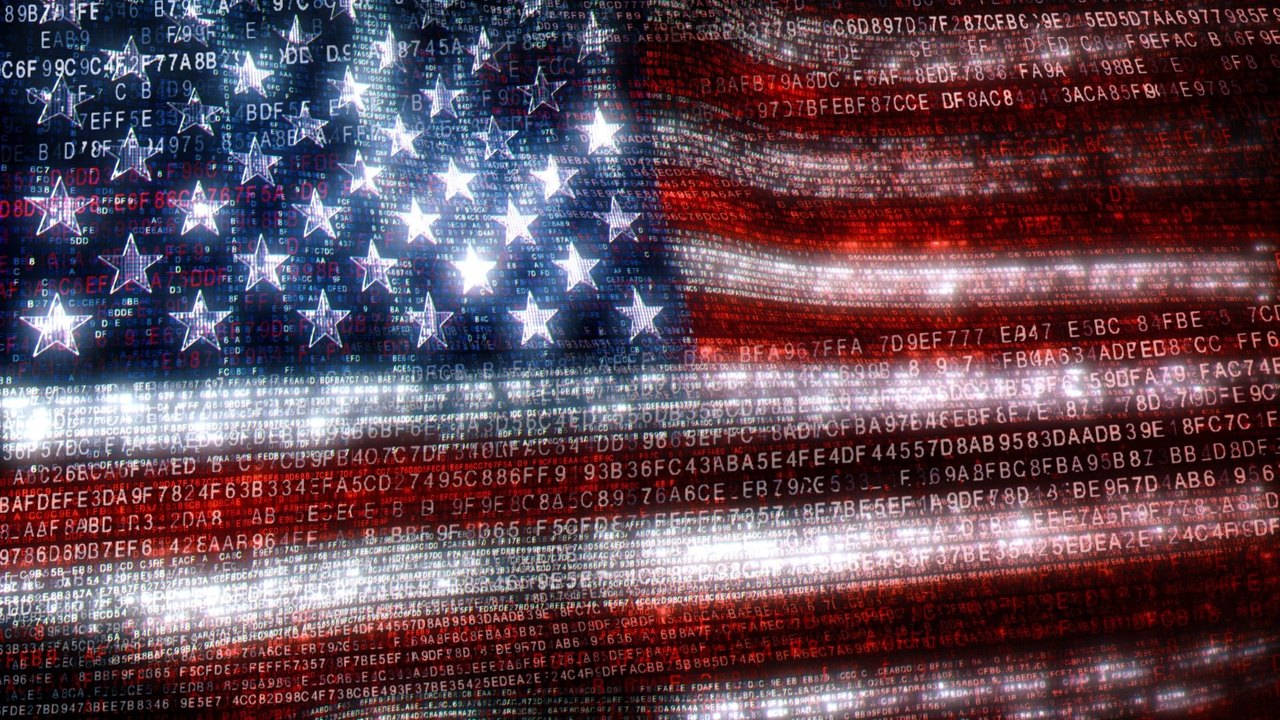 Pentagon Investigates Potential Cyberattack Following Spoiled Food Incidents at Military Freezers
Related coverage
Related reporting available at publication.
Defense Secretary Pete Hegseth Dismisses Army General Amid Pentagon Leadership ChangesGoogle, OpenAI, and Anthropic Commit to Unified AI Scraping Controls via New Robots.txt DirectiveDefense Tech Firm Anduril Partners with Qualcomm to Develop BlueChip LaptopsPentagon Investigates Potential Cyberattack Following Spoiled Food Incidents at Military Freezers Air Force Sports Complex Closed Amid Land Reclamation Move in New Delhi
 Former Bangladesh Air Force Officer Found Dead in Dhaka River Amid Family Murder Allegations