Defense Startup Destinus Reports High Monthly Cruise Missile Production in Europe
· GlobeWire Daily Editorial Desk · Source: www.defensenews.com
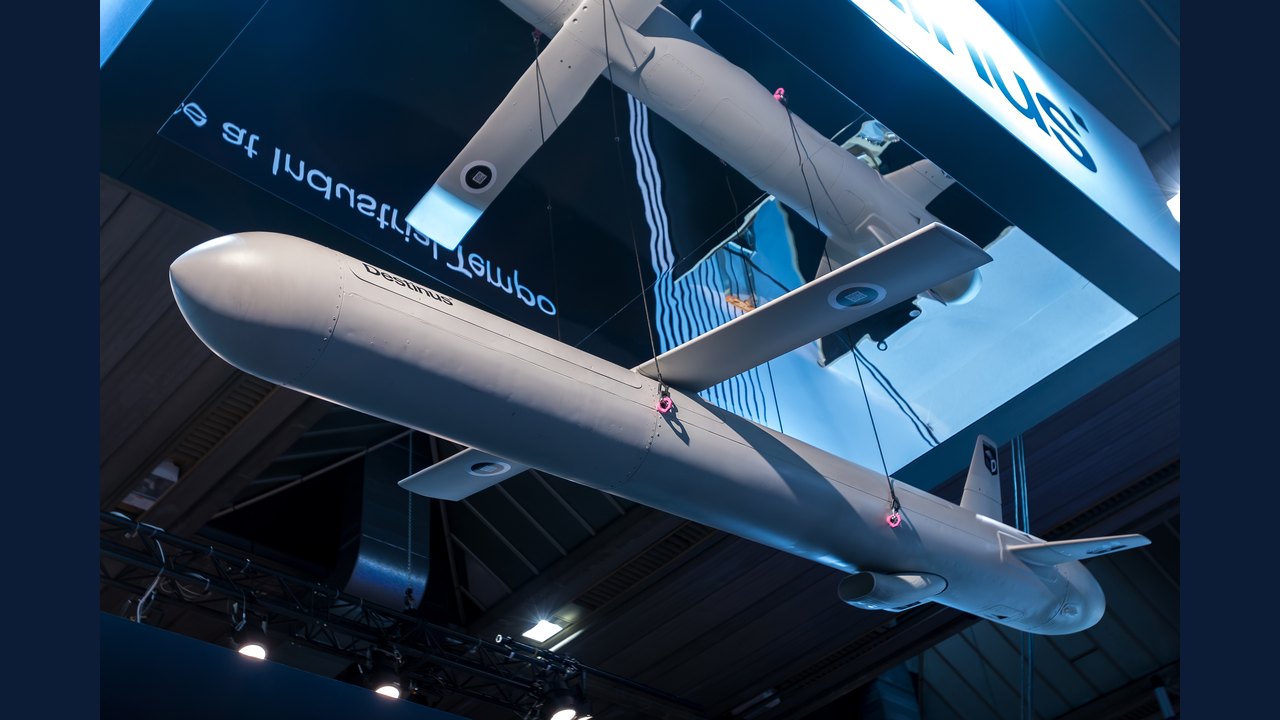
Image: Maria Rugamer, Reuters · Photo source · Resized and letterboxed to 16:9; no AI generation
Production Surge Reported by Defense Startup
Dutch-headquartered defense startup Destinus has stated that its monthly output of Ruta cruise missiles has reached nearly 300 units, totaling more than 1,750 missiles built in Europe. According to company statements reported by Reuters, this monthly production level exceeds Europe's pre-war annual production rate for cruise missiles prior to Russia's full-scale invasion of Ukraine.
Chief Executive Mikhail Kokorich stated in an interview that the company anticipates meeting European and Ukrainian demand for turbojet engines in the roughly 1.5-kilonewton thrust class starting next year. The firm reported that it is currently producing such propulsion systems in series for its own systems and external manufacturers.
Combat History and New Development
The Ruta missile was publicly noted as having seen operational use in October 2025, when Ukrainian President Volodymyr Zelenskiy confirmed its deployment in combat. Ukrainian missile manufacturing has scaled significantly during the ongoing conflict, though producers have frequently encountered bottlenecks regarding propulsion availability.
Destinus also announced the initiation of production for the Ruta Block 2 variant. According to the company, this larger model is engineered to transport a 250-kilogram payload over distances exceeding 700 kilometers. Unlike earlier versions, the Block 2 is designed for storage, transport, and launch within a single container to streamline logistics.
Strategic Integration and Industry Perspectives
Kokorich noted that as inventories increase, European defense efforts are shifting from a manufacturing challenge to a military integration challenge. He emphasized that adequate deterrence requires large stockpiles, necessitating corresponding developments in storage, transport, maintenance, and operational infrastructure.
- Key operational considerations highlighted by leadership include:
- Expanding logistical capabilities for large missile inventories
- Developing supporting infrastructure for maintenance and deployment
- Balancing long-range strike capabilities with cost-effective, shorter-range systems
Furthermore, Destinus highlighted its supply chain framework, noting that it operates without Chinese components, while acknowledging that utilizing Chinese suppliers could potentially accelerate manufacturing processes. Kokorich also suggested that future demand will likely concentrate on cost-effective missiles with ranges under 1,000 kilometers rather than exclusively on very long-range weapons.
Verification and Further Information
Observers and defense analysts seeking to verify these developments can consult official announcements from Destinus, statements by corporate leadership, and official updates from Ukrainian authorities regarding defense procurement and operational deployments.
AI-assisted reporting; source claims are attributed and have not been independently verified.
More to read
 Defense Seeks Release of Career Air Force Officer Held in Pretrial Confinement
 Defense Updates: New Titles, Regional Exercises and Technology Shifts
 Middle East Defense Developments: Aid Suspensions, Procurement Updates and Strategic Shifts
 Appian Defense Cloud Secures IL5 Authorization from US Department of War
Related coverage
Related reporting available at publication.
Defense Seeks Release of Career Air Force Officer Held in Pretrial ConfinementDefense Updates: New Titles, Regional Exercises and Technology ShiftsMiddle East Defense Developments: Aid Suspensions, Procurement Updates and Strategic ShiftsAppian Defense Cloud Secures IL5 Authorization from US Department of War UK Government Announces New Defence Offsets Policy to Prioritise British Jobs and Skills
 Ethiopia Sufficiency of Protection: Official Policy and Security Assessment