Ethiopia Sufficiency of Protection: Official Policy and Security Assessment
· GlobeWire Daily Editorial Desk · Source: www.gov.uk

Image: GOV.UK — https://www.nationalarchives.gov.uk/doc/open-government-licence/version/3/ · Photo source · License terms · Resized and letterboxed to 16:9; no AI generation
Overview of State Protection Framework
A comprehensive official assessment examines the availability and effectiveness of state protection in Ethiopia, highlighting the legal frameworks, operational challenges, and security dynamics that shape law enforcement and human rights conditions.
According to official policy assessments, the Ethiopian state is generally considered both willing and able to offer sufficient protection to individuals fearing non-state actors, including rogue elements. However, the practical availability of protection varies depending on geographic location, individual profile, and prevailing security conditions.
Legal and Institutional Structures
Ethiopia maintains a constitutional and legal framework designed to protect fundamental human rights and penalise criminal activity. Key structural elements include:
- Law Enforcement: A functioning police force and judiciary that remain generally accessible across many regions.
- Security Architecture: Federal and regional police commissions, regional forces, and the Ethiopian National Defence Force (ENDF) tasked with maintaining public order and addressing criminal acts.
- Judicial System: A multi-layered system comprising federal and regional courts, Sharia courts, customary tribunals, and Community Justice Centres.
Security Challenges and Armed Conflict
Despite official monopolies on the use of force, armed groups continue to challenge state authority, particularly in conflict-affected regions such as Amhara and Oromia. Data from monitoring organizations indicates that non-state armed actors and state security forces both account for reported incidents of violence and civilian targeting. Key conflict-related factors include:
- Contested Territorial Control: Weak state presence in specific rural and remote areas reduces the operational reach of law enforcement.
- Non-State Actors: Groups such as Fano and the Oromo Liberation Army (OLA) exert influence and engage in armed incidents.
- State Forces: Incidents of human rights violations and excessive use of force have been reported in connection with both state and non-state actors.
Practical Impediments to Protection
While legal safeguards exist to guarantee due process, prevent torture, and punish criminal acts, several practical hurdles limit their consistent application:
- Corruption and Resources: Pervasive bribery, resource constraints, and logistical limitations affect police investigations and judicial independence.
- Vulnerable Groups: Women, minorities, journalists, and perceived government critics often face heightened barriers in accessing effective protection and legal remedies.
- Detention and Due Process: Reports highlight challenges regarding prison conditions, arbitrary arrests, case backlogs, and occasional non-compliance with court orders.
Verification and Further Guidance
Stakeholders and decision-makers are advised to consult primary documentation, specific Country Policy and Information Notes (CPIN), and verified human rights reports to evaluate individual circumstances and institutional capabilities accurately.
AI-assisted reporting; source claims are attributed and have not been independently verified.
More to read
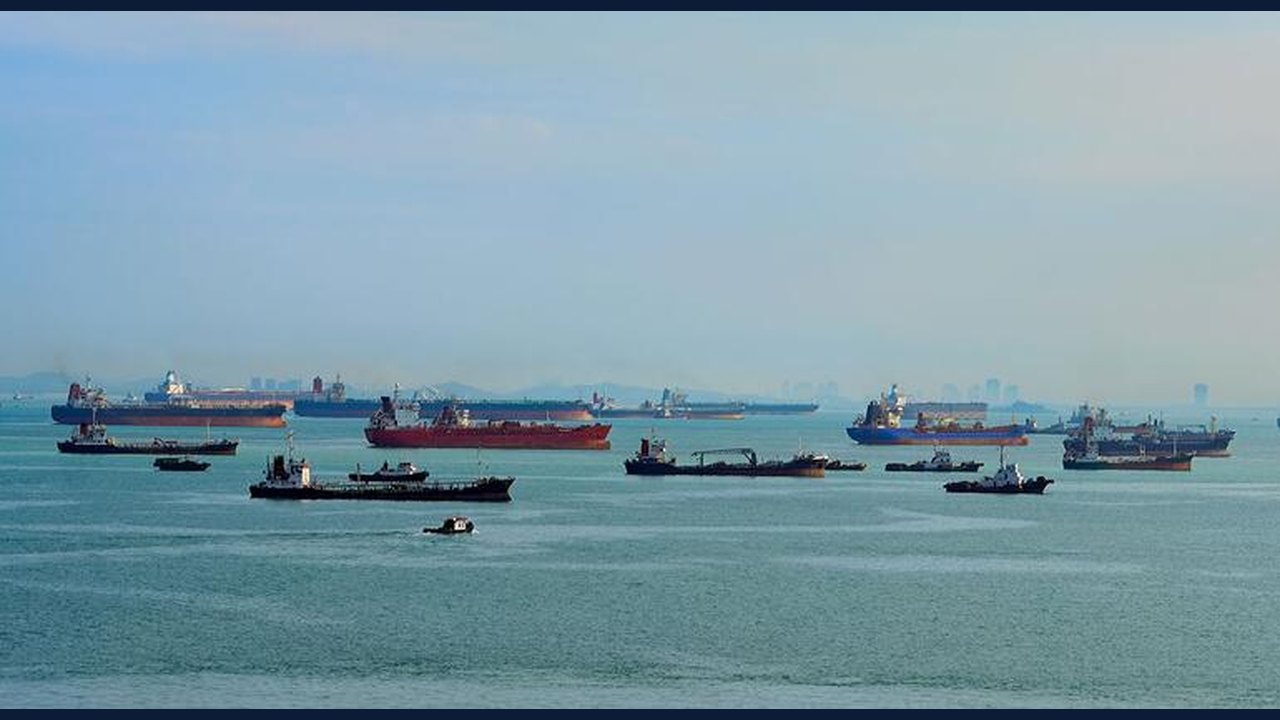 UN Security Council Examines Technology's Dual Role in Maritime Security and Shipping Lane Protection
 Anthropic President Questions OpenAI's Pentagon Agreement Amid Defense Policy Disputes
 Sudanese Officials Allege Cross-Border Drone Strikes Originating from Ethiopia
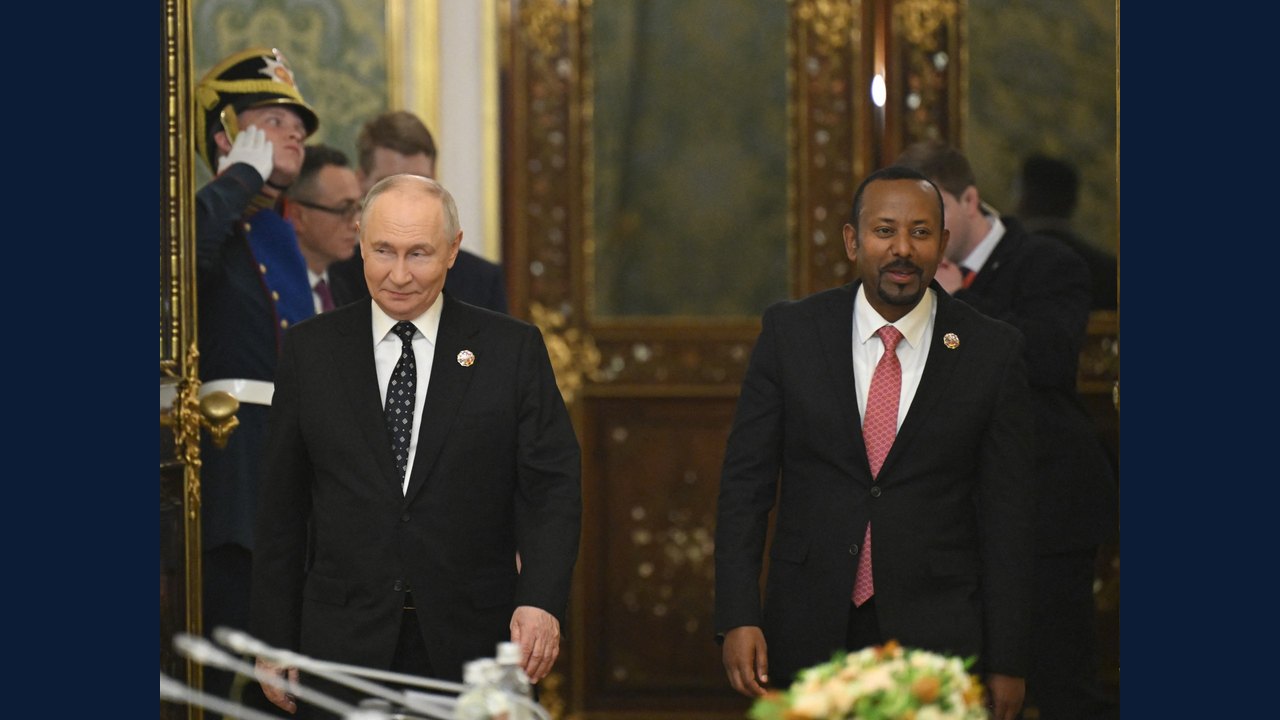 Ethiopia Bolsters Military with Russian Su-35 Jets and S-400 Defences
Related coverage
Related reporting available at publication.
UN Security Council Examines Technology's Dual Role in Maritime Security and Shipping Lane ProtectionAnthropic President Questions OpenAI's Pentagon Agreement Amid Defense Policy DisputesSudanese Officials Allege Cross-Border Drone Strikes Originating from EthiopiaEthiopia Bolsters Military with Russian Su-35 Jets and S-400 Defences Centre Clears Rs 40,000 Crore Project to Build Eight Stealth Ships for Indian Navy
 Canada and U.A.E. Sign Defence, Energy and Trade Agreements in Ottawa