Google Cloud Introduces AI-Driven Threat Defense to Counter Autonomous Cyberattacks
· GlobeWire Daily Editorial Desk · Source: blog.google
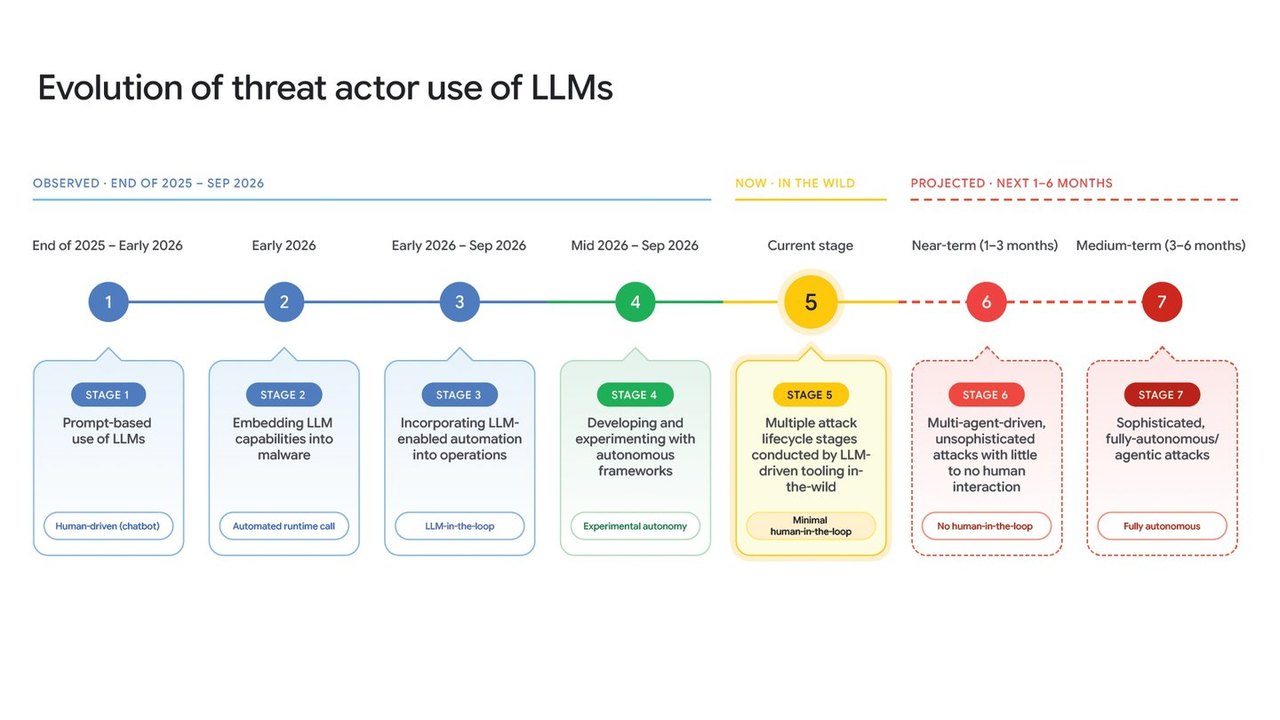
Image: Google · Photo source · Resized and letterboxed to 16:9; no AI generation
Escalating Cyber Threats
Google Cloud recently reported that malicious actors are increasingly utilizing autonomous Large Language Model (LLM) frameworks to conduct cyberattacks. According to the AI Threat Tracker, these automated systems can scan software updates, identify patched vulnerabilities, and generate exploits without human intervention. This capability shifts the security landscape, as attackers no longer need to rely on manual processes.
Rethinking Defense in the Agentic Era
To combat threats operating at machine speed, Google Cloud has unveiled its 'Google AI Threat Defense' initiative. The company argues that manual, human-speed security response is no longer sufficient to secure modern infrastructure. The defense suite integrates several components to proactively mitigate risks:
- Gemini and Frontier Models: Leveraged for advanced threat detection.
- Wiz Integration: Provides critical context and vulnerability prioritization.
- CodeMender: Facilitates automated patching of identified flaws.
- Mandiant Expertise: Incorporates professional intelligence to bolster defensive strategies.
Next Steps for Security Professionals
Google Cloud encourages stakeholders to review the full findings in their latest AI Threat Tracker report available on the official Google Cloud Threat Intelligence blog. Additionally, the company is preparing for the 2027 cybersecurity landscape and has introduced new training programs, including the 'Google Cloud Professional Agentic Architect' certification, to help professionals navigate these emerging challenges.
AI-assisted reporting; source claims are attributed and have not been independently verified.
More to read
 Quorum Cyber Completes Acquisition of Ontinue to Advance Autonomous Cyber Defense
 Salt Security Expands Agentic Security Platform with Autonomous Defense Capabilities
 Autonomous AI Swarm Legion Wins Tencent Intelligent Attack-Defense Challenge
 The Shift Toward AI-Driven Defense: Reshaping the U.S. Military Industrial Complex