Gulf States Must Reconfigure Trillion-Dollar Defences After US-Iran War, Says Report
· GlobeWire Daily Editorial Desk · Source: www.theguardian.com
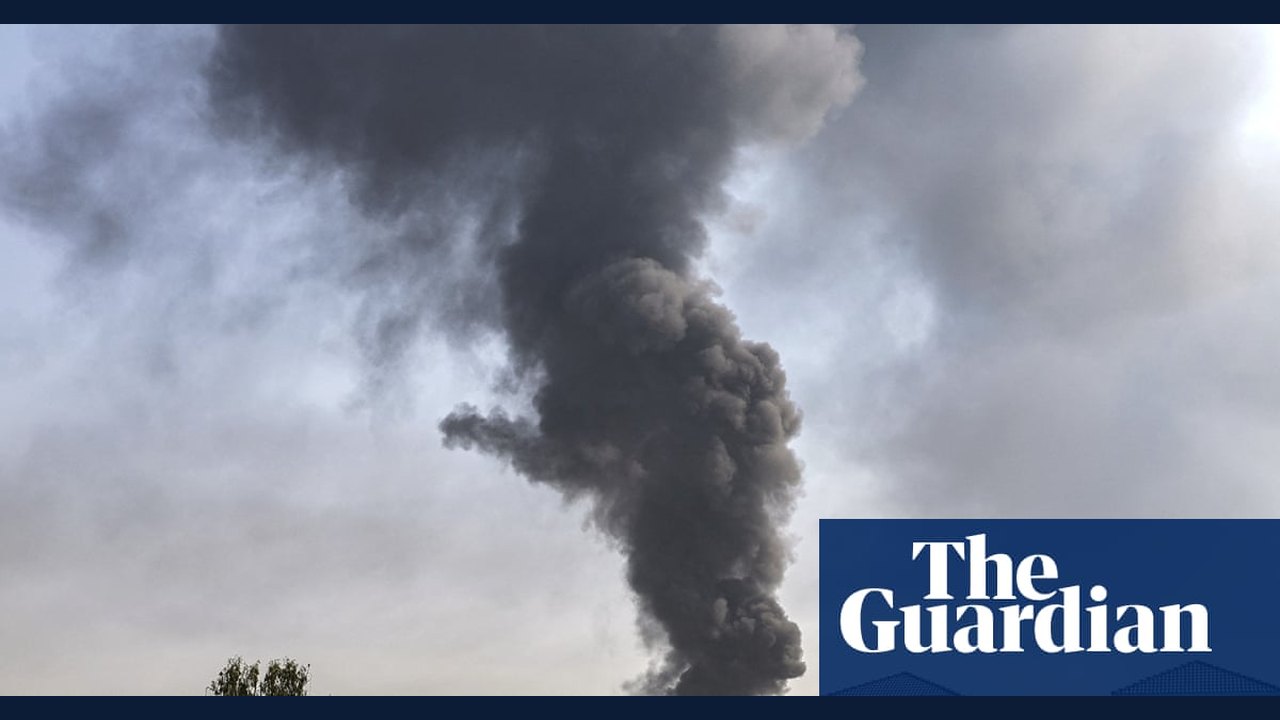
Image: the Guardian · Photo source · Resized and letterboxed to 16:9; no AI generation
According to a study published by the International Institute for Strategic Studies (IISS), Gulf states face the necessity of reconfiguring their trillion-dollar defence architectures. The assessment follows the impact of the recent US-Iran conflict, which highlighted vulnerabilities in regional security arrangements and the economic toll on energy infrastructure.
Scale of Regional Attacks
The report indicates that in the weeks leading up to an 8 April ceasefire, 12 regional states—predominantly in the Gulf—encountered thousands of incoming projectiles. These included:
- 4,670 Iranian one-way attack drones
- More than 1,400 ballistic missiles
Nearly half of these attacks were directed at the United Arab Emirates. While regional air defences successfully intercepted the vast majority, energy infrastructure suffered significant damage, with one cited estimate placing losses as high as $58bn (£43bn).
Shortcomings in Defence Strategies
The IISS study points to several structural challenges exposed by the conflict, noting that massive investments in high-end US-supplied armaments did not translate into guaranteed protection during the crisis. Key findings include:
- Overreliance on expensive, high-end systems to counter relatively low-cost drones and missiles, creating prohibitive cost imbalances.
- A lack of regional defence integration among Gulf states.
- Gaps in minesweeping capabilities and limited retaliatory options.
- Inadequacy of current military preparedness for attritional air warfare.
Evolving US Presence and Strategic Outlook
The report also addresses the changing perceptions surrounding US military bases and security partnerships. It notes that public opinion in the region has increasingly viewed these partnerships as a potential strategic liability rather than a reliable deterrent. Furthermore, US lawmakers have raised questions regarding the viability of rebuilding damaged facilities. US Senator Chris Murphy publicly questioned the cost-effectiveness of maintaining large footprints that remain vulnerable to rapid missile strikes, suggesting future postures may involve smaller, more defensible deployments.
How to Verify Official Statements
Readers interested in further details can consult official publications and policy updates directly through the International Institute for Strategic Studies (IISS) website or review congressional commentary from the US Senate Foreign Relations Committee.
AI-assisted reporting; source claims are attributed and have not been independently verified.
More to read
 Iran Calls to End 'Neither War Nor Peace' Stance Amid Regional Tensions and Reported U.S. Outreach
 How the War in Iran is Intensifying the US Energy Affordability Crisis Ahead of Winter
 Anthropic Prepares to Go Public: Inside the AI Firm's Trillion-Dollar Business Plan and Prospectus
 Major-General Lisa Keetley Appointed as Army Trustee to the Imperial War Museum Board
Related coverage
Related reporting available at publication.
Iran Calls to End 'Neither War Nor Peace' Stance Amid Regional Tensions and Reported U.S. OutreachHow the War in Iran is Intensifying the US Energy Affordability Crisis Ahead of WinterAnthropic Prepares to Go Public: Inside the AI Firm's Trillion-Dollar Business Plan and ProspectusMajor-General Lisa Keetley Appointed as Army Trustee to the Imperial War Museum Board Getac Announces New Rugged Notebooks Aimed at Defense and Industrial Markets
 Norway and Germany Expand Defense Cooperation Through the Hansa Pact