School Phone Bans Result in Modest Academic Gains, Study Shows
· GlobeWire Daily Education Desk · Source: www.theguardian.com
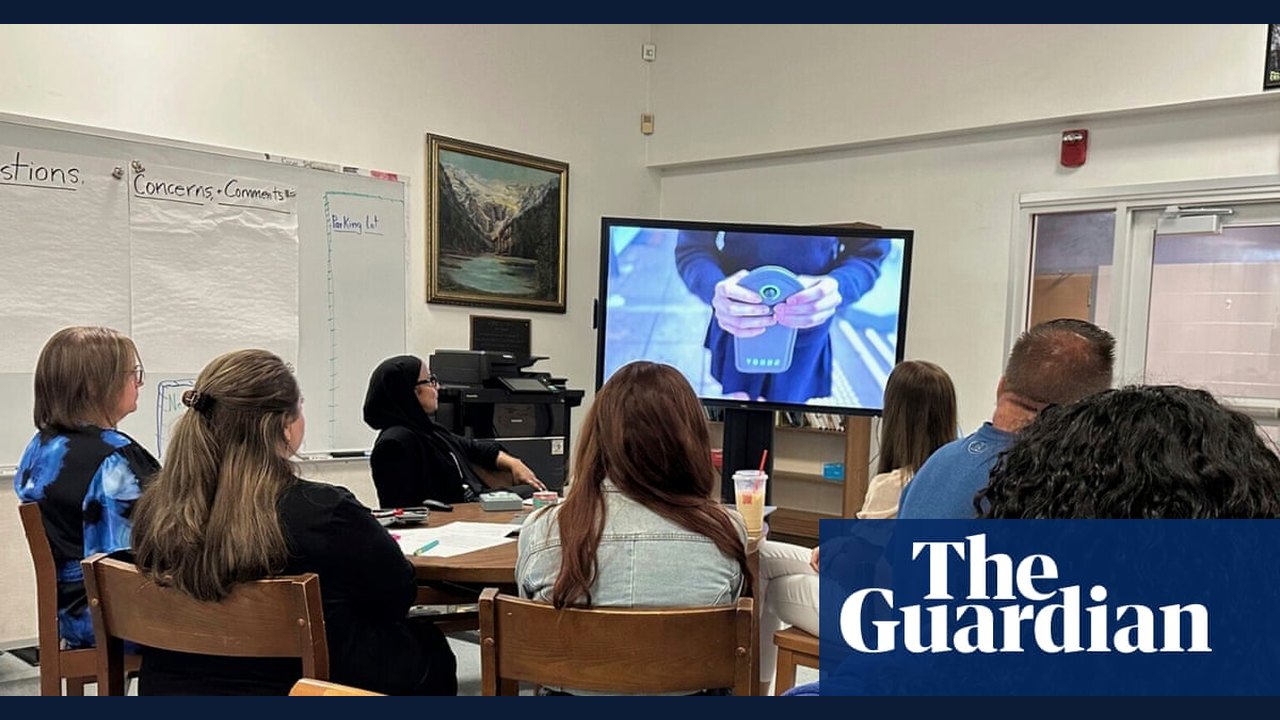
Image: the Guardian · Photo source · Resized and letterboxed to 16:9; no AI generation
A large-scale study published on Tuesday by researchers at Harvard’s Center for Education Policy Research indicates that strict cellphone restrictions in U.S. schools—specifically those requiring students to place phones in locked pouches for the entire academic day—are associated with small academic improvements.
Analyzing test score data from 3.3 million students across 4,600 schools, the study estimates that these academic gains are roughly equivalent to an additional one to two weeks of learning over a school year. Researchers noted that while the improvements are modest, storing phones can be a cost-effective measure that may accumulate over time.
Key Findings and Context
- Academic Impact: The observed boost is comparable to about half of the annual decline in test scores recorded since smartphones and social media became mainstream around 2013.
- Legislative Landscape: More than 40 U.S. states have passed laws restricting phones at schools, though policies and enforcement vary widely.
- Varying Research Results: Findings across studies are not entirely uniform. A separate study published in May by the National Bureau of Economic Research (NBER), involving researchers from Stanford, Michigan, Duke, and Pennsylvania, found close to zero overall effect on test scores, though it did note modest positive effects in high school math over three years.
Practical Implications and Verification
- Enforcement and Compliance: Experts point out that enforcement can be uneven. Some students find creative workarounds, such as using burner phones or placing phone-shaped objects in locked pouches.
- External Factors: Researchers highlight that students may still face distractions from other devices, such as laptops, or from heavy smartphone use outside of school hours.
- Verification: Readers can review the original studies published by Harvard's Center for Education Policy Research and the National Bureau of Economic Research for detailed methodology, data sources, and statistical models.
AI-assisted reporting; source claims are attributed and have not been independently verified.
More to read
 Older Ant Colonies Less Likely to Die and More Likely to Reproduce, 34-Year Study Shows
 Viral Video Shows Guest Jumping Into Drain for New Phone in Auraiya
 Apollo Scooters Data Shows Freezing Weather Causes Modest 12% Range Loss
 UK Teachers Invited to Share Experiences of School Abuse and Violence