Older Ant Colonies Less Likely to Die and More Likely to Reproduce, 34-Year Study Shows
· GlobeWire Daily Science Desk · Source: timesofindia.indiatimes.com
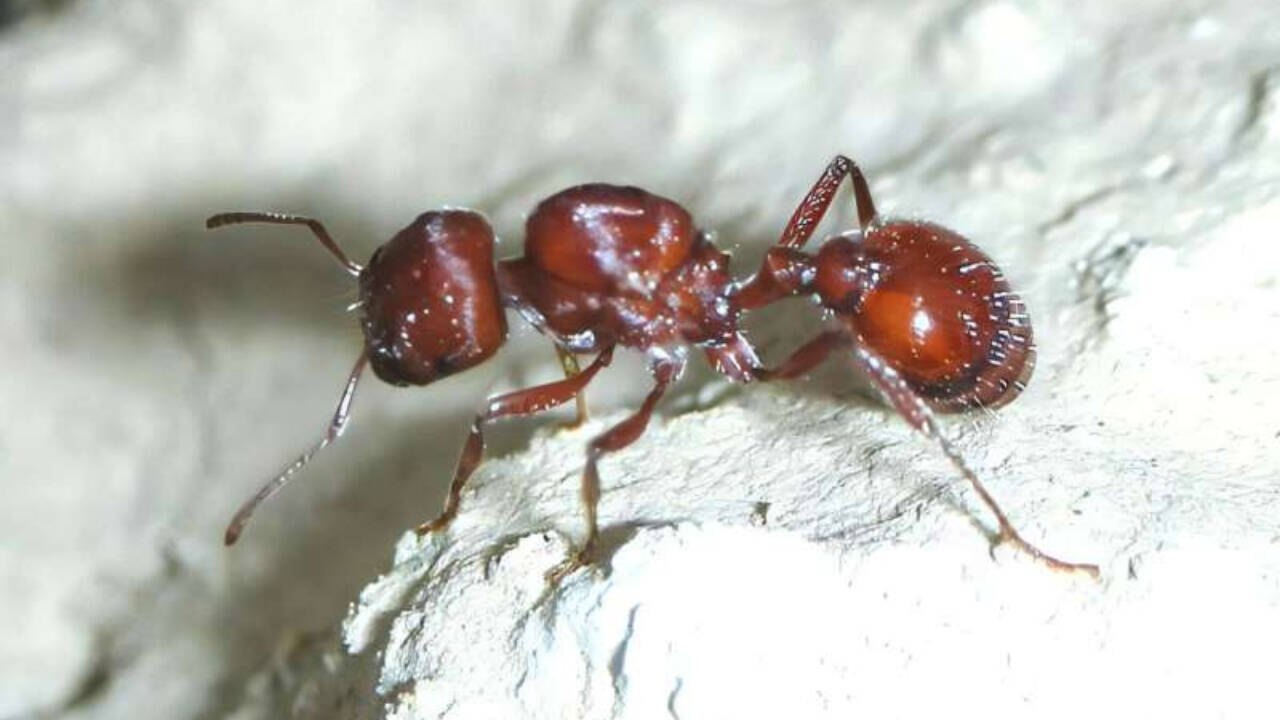
Image: The Times of India · Photo source · Resized and letterboxed to 16:9; no AI generation
A 34-year scientific investigation tracking thousands of western harvester ant colonies has reported that older colonies exhibit an unusual biological pattern where survival rates and reproductive success increase with age, contrary to conventional aging.
According to published reports, University of Houston biologists Blaine Cole and Diane Wiernasz monitored 3,285 colonies of known age in Mesa County, Colorado, starting in 1992. The findings, published in the *Proceedings of the National Academy of Sciences*, described a phenomenon termed negative senescence.
Key Findings from the Research
- Increased Survival and Reproduction: Older harvester ant colonies were less likely to die and more likely to reproduce compared to younger ones.
- Long Lifespans: Researchers documented colonies surviving for over 40 years, with 51 colonies found in 2024 estimated to be between 40 and 42 years old.
- Colony Size Advantage: Larger colonies demonstrated lower mortality rates and greater reproductive success without compromising reproductive output.
The Superorganism Structure
Researchers attribute this pattern to the highly organized social structure of the ant community, functioning as a superorganism.
- Specialized Roles: Worker ants forage, clean, and care for the young, while the queen lays eggs.
- Replaceable Soma: While individual worker ants typically live for about a year and are constantly replaced by younger workers, the queen can live for decades. This continuous workforce renewal helps the community maintain function.
- Colony-Level Phenomenon: Scientists emphasize that individual ants still experience biological aging; the negative senescence occurs at the level of the entire colony.
Implications and Verification
While negative senescence has previously been observed in some plants, fish, and sea urchins, this long-term study provides detailed evidence regarding social insects. Researchers have noted that future studies may explore whether similar patterns exist in other social insects like termites and leaf-cutter ants.
Readers can verify the original findings by reviewing the published study in the *Proceedings of the National Academy of Sciences* or checking institutional updates from the University of Houston.
AI-assisted reporting; source claims are attributed and have not been independently verified.
More to read
 U.S. Data Centres Produced More Emissions Than Denmark in a Year, Harvard Study Finds
 Science Shows Why Your Boss Should Talk Less in Meetings
 More Than 1 in 10 U.S. Workers Plan Time Off or Schedule Changes for GTA VI, Study Finds
 Study Finds Climate Change More Prevalent in Scripts, Yet Systemic Solutions Remain Sparse