Study Finds Climate Change More Prevalent in Scripts, Yet Systemic Solutions Remain Sparse
· GlobeWire Daily Climate Desk · Source: www.theguardian.com

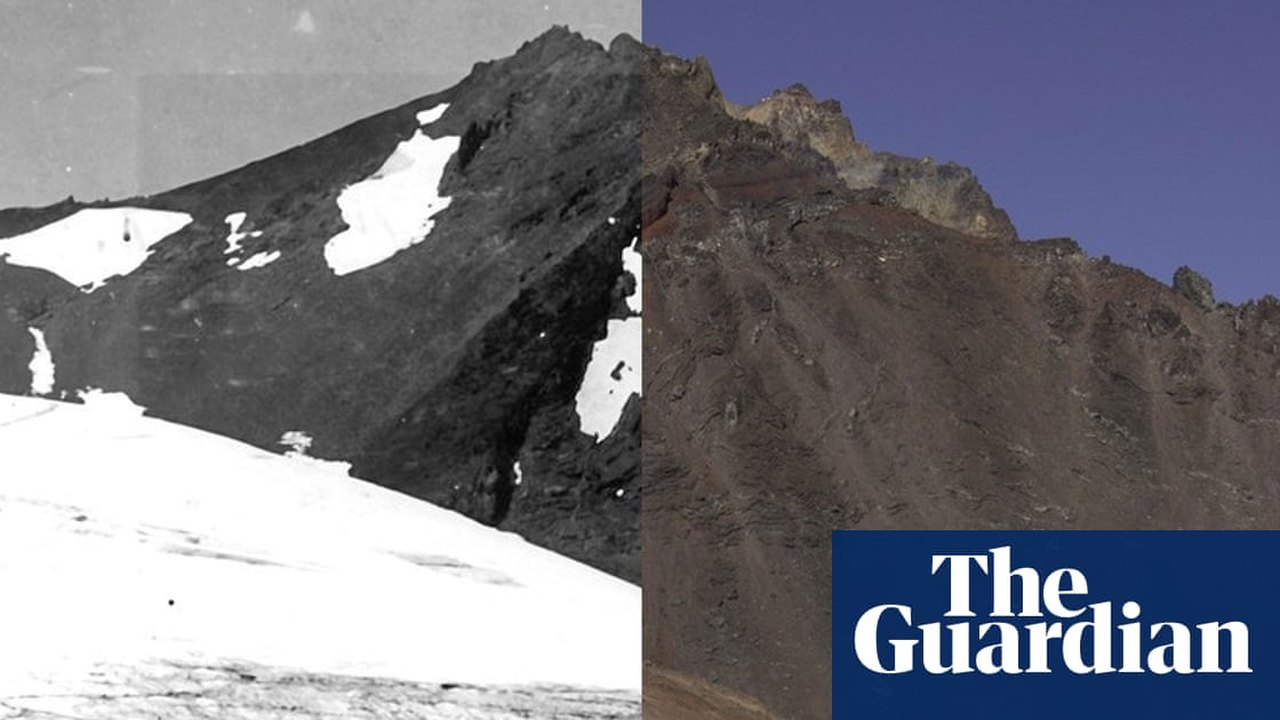
Image: the Guardian · Photo source · Resized and letterboxed to 16:9; no AI generation
Report Findings
A recent report from the USC Annenberg School for Communications and Journalism and the non-profit Good Energy analyzed over 35,000 scripts released between 2021 and 2024. The study highlights a modest shift in how the climate crisis is depicted in film and television.
- Increased Visibility: Climate-related keywords appeared in 3.2% of scripts, marking a 14% increase from 2022 findings.
- Disaster Focus: While climate causes are increasingly mentioned, 87% of climate-focused storylines highlight environmental impacts like sea-level rise, while 72% focus on disaster scenarios.
- Individual vs. Systemic: Consumer-level actions (recycling, electric vehicles) appeared nearly three times more often than systemic solutions (renewable energy transitions, carbon capture).
Narrative Trends
The researchers observed a shift in the emotional tone of these stories. While many scripts begin by framing climate change as a threat, a significant portion ends by focusing on human agency, courage, and optimism. Medical dramas, romances, and comedies were found to be the genres most likely to incorporate climate themes.
Notable Data
- Commercial Success: Climate-inclusive films earned $2.26 billion at the US box office, while television episodes mentioning these topics generated 12.4 billion hours of viewing time on Netflix.
- Fossil Fuel Representation: Terms related to fossil fuels appeared in only 1.1% of scripts, with the drama *Landman* being cited for its focus on the oil industry and its portrayal of climate-related skepticism.
Experts suggest that while storytelling is evolving to include the causes of the crisis, the industry has yet to broadly embrace transformative, systemic solutions in its narratives.
AI-assisted reporting; source claims are attributed and have not been independently verified.
More to read
 Climate Change Pushes Earth's Ice Outside Its Safe Operating Space, Study Finds
 U.S. Data Centres Produced More Emissions Than Denmark in a Year, Harvard Study Finds
 US West Has Lost Nearly 300 Glaciers Since the 1960s Due to Climate Crisis, Study Finds
 More Than 1 in 10 U.S. Workers Plan Time Off or Schedule Changes for GTA VI, Study Finds