UK to Impose £925 Annual Levy on International Students Above 220 Enrolments – What It Means for Indian Applicants
· GlobeWire Daily Education Desk · Source: timesofindia.indiatimes.com

Image: timesofindia.indiatimes.com — Creative Commons
Overview
The UK government announced a new levy that will be charged to English universities for each international student they enrol beyond a set threshold. Effective from August 2028, the charge is set at £925 (≈ $1,200) per student per year and is expected to raise £445 million in its first fiscal year. While the levy is levied on institutions—not directly on students—it could influence tuition fees and the overall cost of studying in the UK for overseas applicants, including the large cohort from India.
How the levy works
- Threshold: Universities will not pay the levy for their first 220 overseas students. Any enrolment above that number incurs the charge.
- Rate: £925 per additional international student per academic year.
- Scope: Applies to all international students (new and existing) at English universities, regardless of nationality. The policy was first outlined in the 2025 UK Budget.
- Administration: The Office for Students will monitor enrolment data and enforce the levy. The charge will be indexed to inflation each year.
- Projected revenue:
- FY 2028‑29 – £445 million
- FY 2029‑30 – £465 million
- FY 2030‑31 – £480 million
The government says the proceeds will support England’s higher‑education and skills system.
Financial impact on universities
The levy adds a new line‑item to university budgets. For a typical mid‑size institution with 1,000 international students, the annual cost after the exemption would be £721,500 (1,000 – 220 = 780 × £925). Universities facing tighter operating margins, higher inflation, and stricter immigration rules may look to offset the expense through tuition‑fee adjustments.
Potential effect on Indian students
India remains a major source market:
- 82,523 Indian‑national study visas were issued for the year ending June 2026 (Home Office data).
- Indian students generated £5.3 billion in higher‑education export revenue in 2024 (Department for Education).
Because the levy is not billed to students, any fee increase would be a secondary effect. However, universities could raise tuition for overseas students to recoup part of the levy, making the UK comparatively more expensive for Indian applicants.
University responses
- Birmingham City University announced a 2 % tuition‑fee rise for continuing international students for 2026‑27 and a further 3.5 % increase for 2027‑28.
- University of Bath warned overseas students who started in 2026 to budget for up to an 8 % annual tuition increase.
- University of Sunderland is seeking to cut £40 million from its operating costs amid weaker international recruitment, highlighting the financial pressure the sector already faces.
These examples illustrate how institutions are already adjusting fees, and the levy could accelerate such trends.
Government stance
Education Minister Josh MacAlister reaffirmed the policy on 19 October 2026 in Parliament, noting that a 2025 impact assessment had been published and a refreshed analysis was forthcoming. He argued that planned domestic‑tuition‑fee cap increases could generate ≈ £6 billion over five years, dwarfing the projected levy cost of < £1 billion in the same period. Universities UK chief executive Vivienne Stern questioned the revenue forecasts, citing volatile international‑student recruitment trends (reported by The i Paper).
Practical implications for prospective students
- Monitor tuition‑fee announcements – Universities are likely to disclose any fee adjustments well before the start of each academic year.
- Budget for possible increases – Even if the levy is not passed directly to students, a modest rise in tuition could add several hundred pounds to annual costs.
- Compare alternatives – With the UK potentially becoming more expensive, Indian applicants may want to compare total cost of attendance (tuition, living expenses, visa fees) with other destinations such as Canada, Australia, or the EU.
- Seek scholarship information early – Many UK universities offer merit‑based or need‑based scholarships that could offset higher tuition.
What remains uncertain
- Exact fee‑pass‑through – The government has not mandated that universities transfer the levy cost to students; each institution will decide how to manage the expense.
- Future adjustments – While the levy is indexed to inflation, the government could revise the threshold or rate in response to market feedback.
- Impact on enrolment numbers – It is unclear how the levy will affect the volume of new international applications, especially from price‑sensitive markets.
How to verify the information
All figures and statements are drawn from the official Times of India article reporting on the UK policy: https://timesofindia.indiatimes.com/education/study-abroad/uk-to-charge-universities-1200-per-international-student-how-the-new-levy-could-affect-indian-applicants/articleshow/135226821.cms. Readers can also consult the UK government’s 2025 Budget documents, the Office for Students’ guidance on the levy, and the Home Office’s visa‑issuance statistics for independent confirmation.
--- This article is based solely on publicly available government releases and reputable news reporting. No original interviews were conducted.
AI-assisted reporting; source claims are attributed and have not been independently verified.
More to read
 Tamil Nadu Government Plans Industry Integration and Skill-Based Higher Education Framework
 Why India's Higher Education Pupil-Teacher Ratios Look Healthy While Faculty Posts Remain Vacant
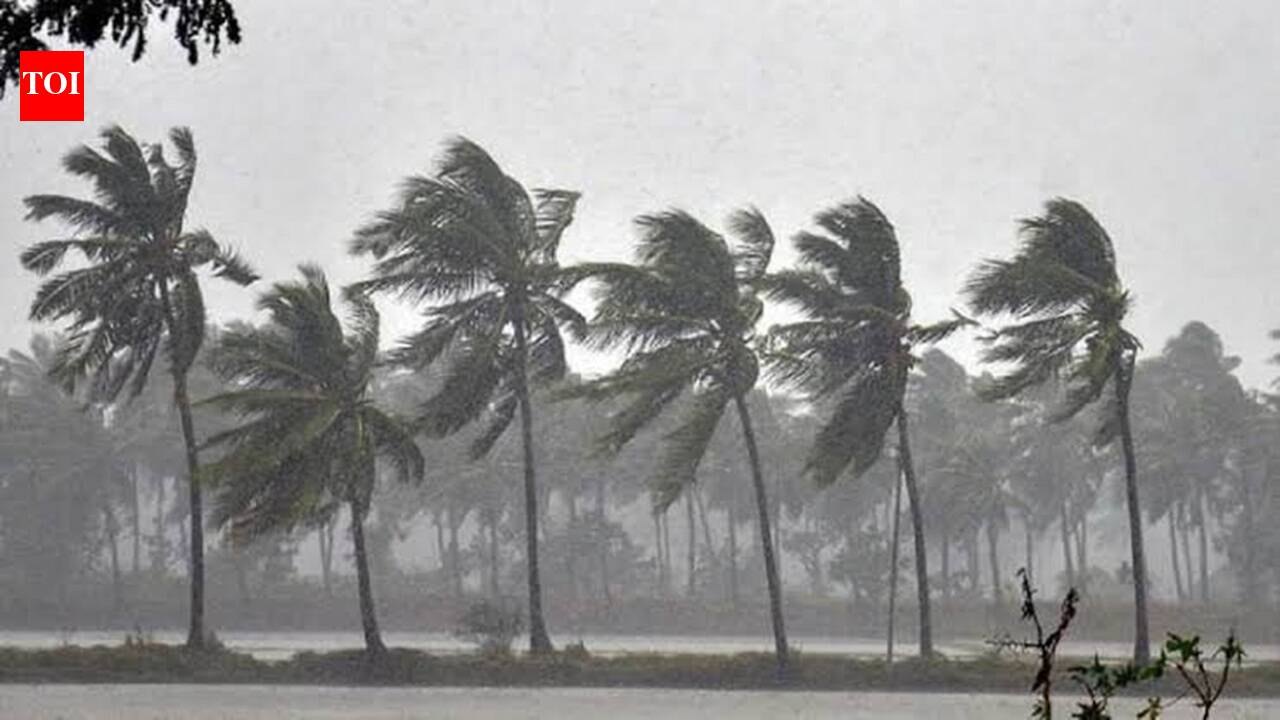 Cyclone Arnab: Schools and Colleges Closed in Parts of Tamil Nadu, Puducherry, and Karaikal
 Tamil Nadu School Closures Declared in Several Districts Amid Heavy Rainfall
Trending on GlobeWire Daily
Selected from recent coverage and related topics; not live search rankings.
Tamil Nadu Government Plans Industry Integration and Skill-Based Higher Education Framework UK AI minister urges state‑led capability after AI uncovers 500 new government system vulnerabilitiesTamil Nadu School Closures Declared in Several Districts Amid Heavy Rainfall
 Mass Effect 5 Canceled Amid BioWare Studio Shuttering, Sparking Major Industry Backlash
 French Student Leaders Urge Continued School Barricades Despite Government Concessions
 Oriel College Faces Calls to Cancel Student Reform Group Event Featuring Nathan Cofnas