Why India's Higher Education Pupil-Teacher Ratios Look Healthy While Faculty Posts Remain Vacant
· GlobeWire Daily Education Desk · Source: www.thehindu.com
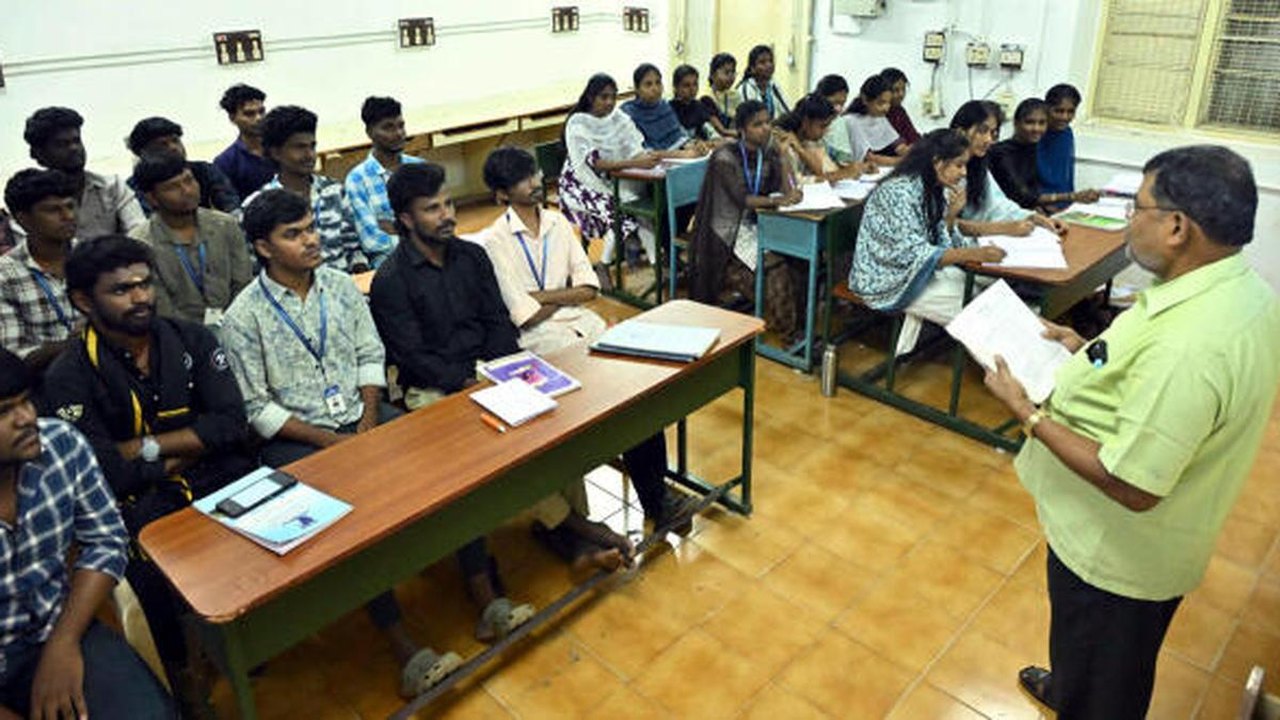
Image: www.thehindu.com — Creative Commons
India's higher education system displays a seemingly healthy national Pupil-Teacher Ratio (PTR) on paper, even as widespread reports indicate significant faculty vacancies across state institutions. According to the All India Survey on Higher Education (AISHE) 2023-24, released in July 2026, the country encompasses approximately 1,200 universities, 50,000 colleges, and 15,000 standalone institutes, serving nearly 4.5 crore students taught by more than 17 lakh faculty members.
Regulatory norms establish a desirable higher education PTR range between 15:1 and 25:1. Data from the AISHE 2024 report indicates that the national regular-mode PTR stands at 22:1 across all institutions, 23:1 in universities and colleges, and 19:1 in universities and their constituent units. Smaller territories and southern States record the strongest ratios, led by Lakshadweep at 9:1, followed by Puducherry (10:1), Ladakh (12:1), Andaman and Nicobar Islands (13:1), and Goa, Kerala, and Tamil Nadu at 14:1 each.
The Disconnect Between Ratios and Vacancies
Despite aggregate numbers falling within or below recommended thresholds, individual institutions face severe staffing shortages. Tamil Nadu illustrates this paradox. While the State’s regular-mode PTR matches or exceeds national averages at 14:1 across all institutions, Right to Information (RTI) disclosures and data from the Tamil Nadu Federation of Universities Faculty Association (TANFUFA) reveal deep structural vacancies.
An earlier report by The Hindu cited TANFUFA data showing that 65% of sanctioned teaching posts at the University of Madras were vacant. Furthermore, more than 40% of sanctioned faculty posts stand vacant across 12 of the State's 21 universities. Professor D. Bhaskaran, General Secretary of TANFUFA, noted that the situation persists due to a lack of recent recruitment.
Structural Limitations in AISHE Data
Experts point out that national averages can obscure systemic imbalances. The AISHE report aggregates data across government and private institutions without explicitly publishing separate PTR breakdowns by management type, specific discipline, or level of study.
Prof. Yusuf Akhter of Babasaheb Bhimrao Ambedkar University stated that overall averages can mask wide variations and get skewed by extreme values, suggesting that median values and segregated data would offer clearer insights. Additionally, consultant Deepak Jain noted that AISHE relies on self-reported annual returns submitted online by institutional nodal officers. While validation checks occur, the figures serve primarily as broad indicators rather than granular operational measures.
Practical Implications and Verification
For students, parents, and researchers navigating higher education metrics, understanding the limitations of aggregated data is essential. Institutional rankings or broad district averages may not reflect actual classroom conditions or faculty availability in specific departments.
- What is confirmed: National and state-level PTR averages are published in the AISHE 2023-24 report. Specific faculty vacancy figures for several Tamil Nadu universities have been documented via RTI filings and faculty associations.
- What remains unknown: Unit-level AISHE data is not publicly accessible, and comprehensive discipline-wise or management-specific breakdowns are absent from published reports.
- How to verify: Readers can review the official statistics and methodology directly through the [AISHE 2023-24 Report via The Hindu Coverage](https://www.thehindu.com/education/why-student-teacher-ratio-in-heis-looks-healthy-while-faculty-posts-lie-vacant/article71634796.ece).
AI-assisted reporting; source claims are attributed and have not been independently verified.
More to read
 UK to Impose £925 Annual Levy on International Students Above 220 Enrolments – What It Means for Indian Applicants
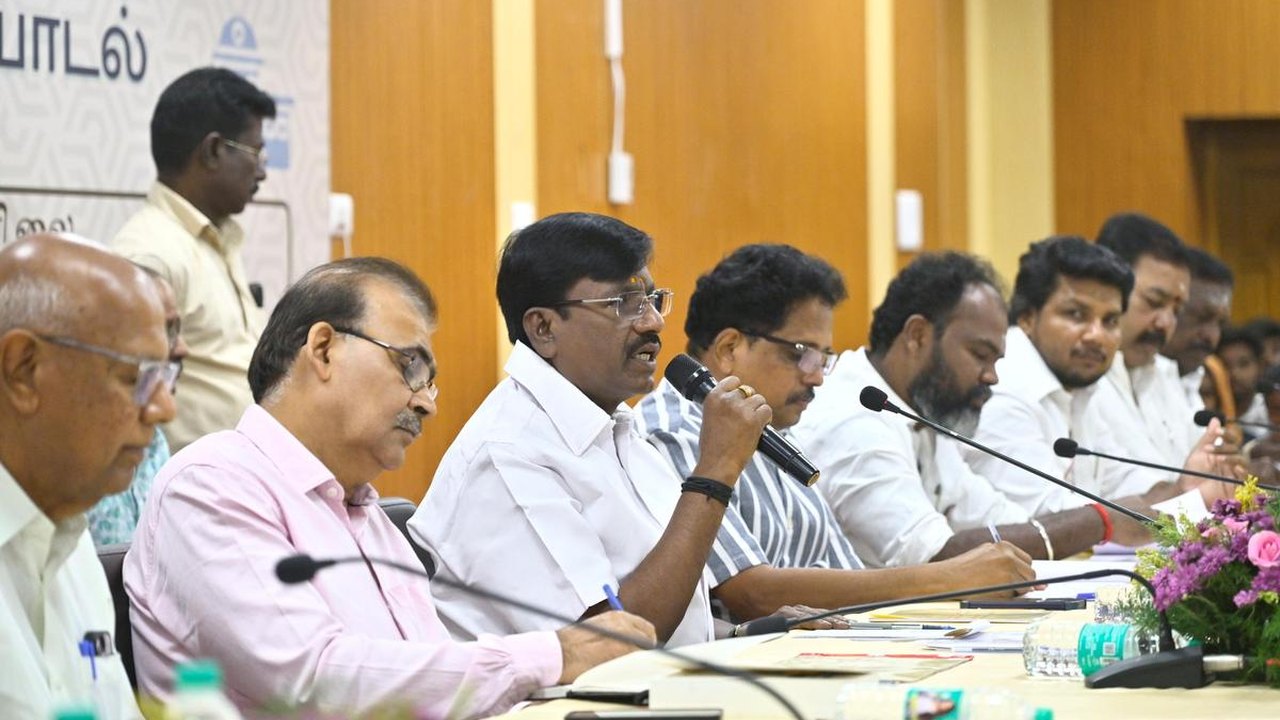 Tamil Nadu Government Plans Industry Integration and Skill-Based Higher Education Framework
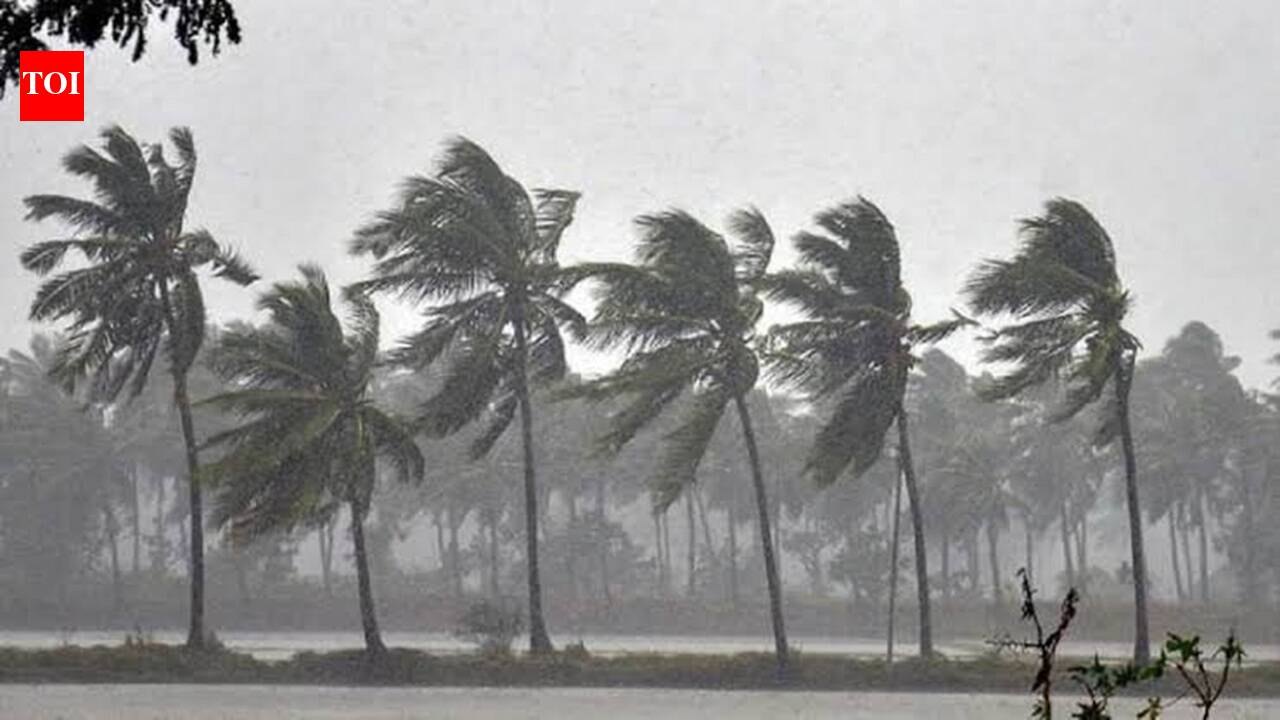 Cyclone Arnab: Schools and Colleges Closed in Parts of Tamil Nadu, Puducherry, and Karaikal
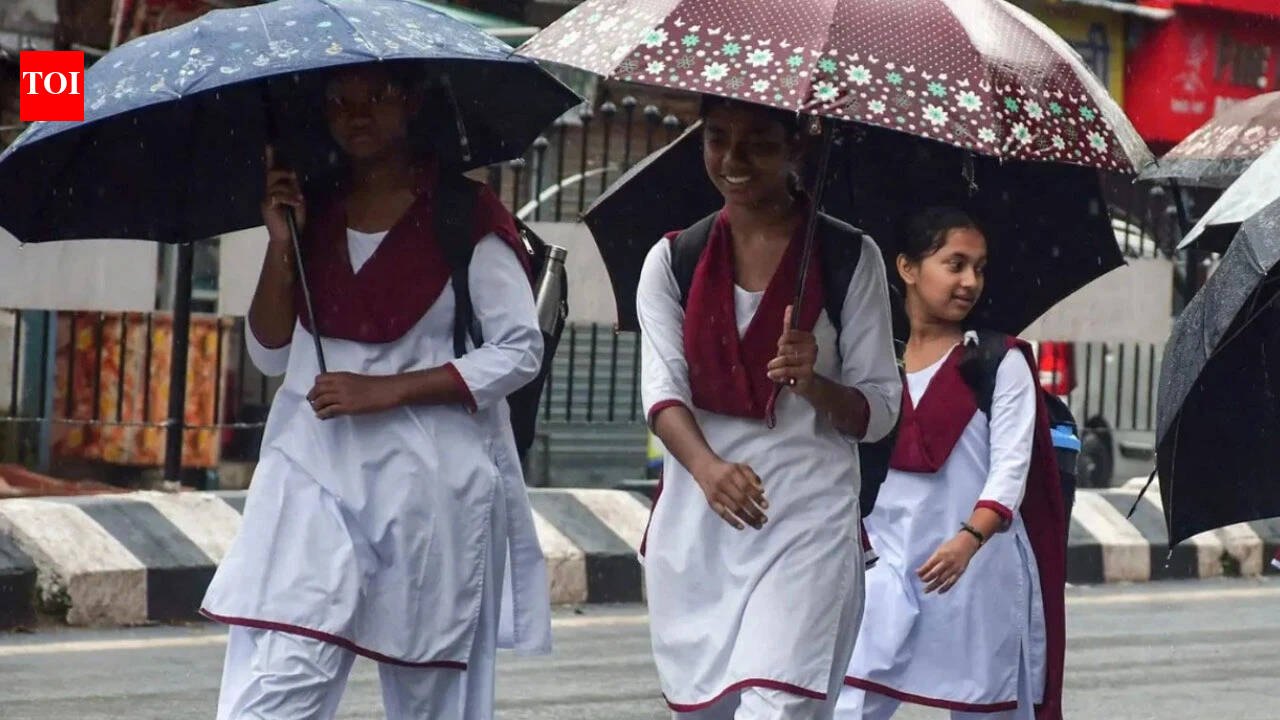 Tamil Nadu School Closures Declared in Several Districts Amid Heavy Rainfall
Trending on GlobeWire Daily
Selected from recent coverage and related topics; not live search rankings.
Tamil Nadu Government Plans Industry Integration and Skill-Based Higher Education Framework UK AI minister urges state‑led capability after AI uncovers 500 new government system vulnerabilitiesTamil Nadu School Closures Declared in Several Districts Amid Heavy Rainfall
 Mass Effect 5 Canceled Amid BioWare Studio Shuttering, Sparking Major Industry Backlash
 French Student Leaders Urge Continued School Barricades Despite Government Concessions
 Oriel College Faces Calls to Cancel Student Reform Group Event Featuring Nathan Cofnas