Bird Flu Causing Catastrophic Die-Offs: Could a Wave of Extinctions Follow?
· GlobeWire Daily Climate Desk · Source: www.theguardian.com

Image: the Guardian · Photo source · Resized and letterboxed to 16:9; no AI generation
As the International Union for Conservation of Nature (IUCN) prepares to update its red list of endangered species, scientists are working to understand the true impact of the H5N1 avian influenza pandemic on global wildlife. While the virus has killed millions of animals, calculating exact extinction risks remains a complex and methodical scientific challenge.
The Toll on Marine Mammals and Birds
- In April, the IUCN downgraded the southern elephant seal to "vulnerable" after H5N1 caused unprecedented mass mortality, killing over 53,000 female seals on South Georgia by 2025 and wiping out more than 90% of newborn pups in some colonies.
- BirdLife International notes that avian influenza currently threatens at least 40 bird species, though most have not seen their conservation status changed yet.
- Scientists are actively reviewing several heavily impacted bird species, including the great skua, northern gannet, Peruvian pelican, and Humboldt penguin, alongside monitoring new potential outbreaks in Australia.
Challenges in Assessment and Uncertainty
Assessing a species' conservation status requires detailed baseline population data, which is often missing. Counting dead animals is particularly difficult for migratory species and seabirds that die at sea. Furthermore, assessors caution against knee-jerk uplisting after mass mortality events. Not all die-offs translate directly to long-term population decline; for instance, Antarctic fur seal mortality heavily skewed toward males, sparing breeding females. Additionally, other stressors—such as commercial fisheries, climate change, or El Niño conditions—sometimes complicate whether bird flu alone drove a population drop, as seen with African penguins and Humboldt penguins.
Practical Implications and Verification
Experts emphasize that waiting solely for a formal IUCN status change can create dangerous delays in conservation. Conservationists stress the need to mitigate other environmental pressures while monitoring emerging threats. Readers can verify official updates and learn more about extinction risks directly through the IUCN Red List and BirdLife International announcements.
AI-assisted reporting; source claims are attributed and have not been independently verified.
More to read
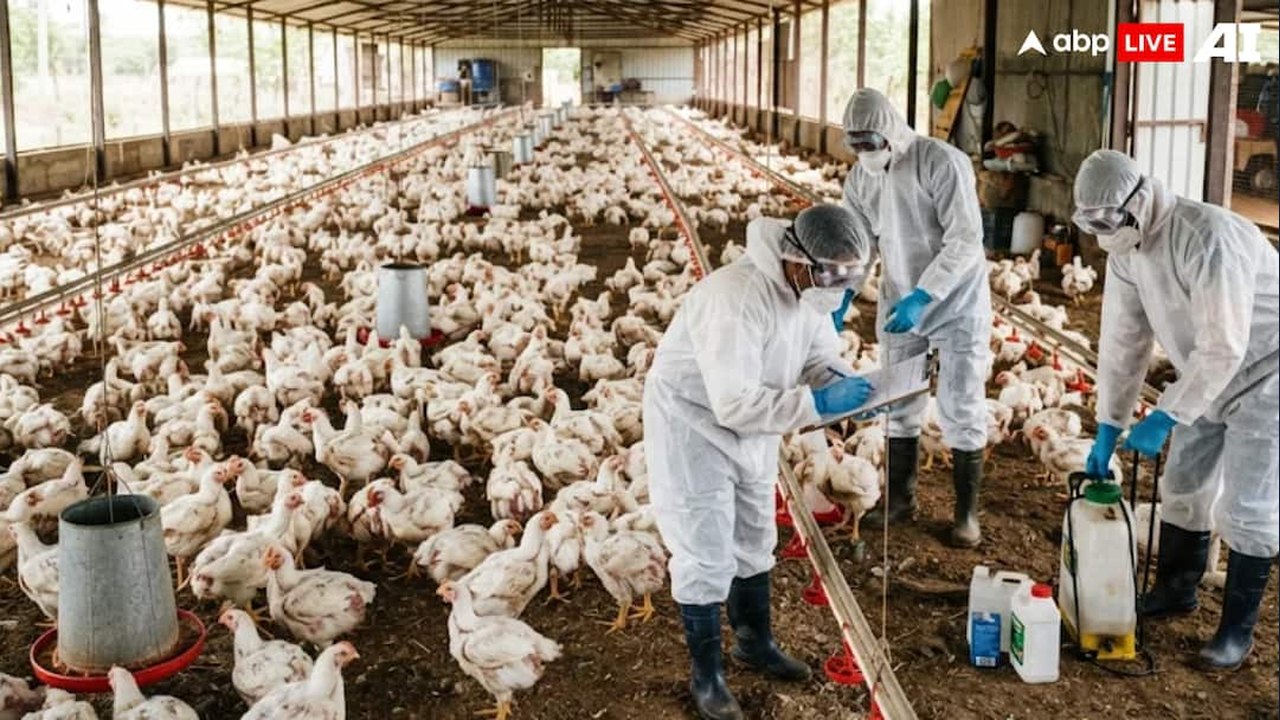 Tamil Nadu Steps Up Bird Flu Surveillance Following H5N1 Outbreak in Cuddalore
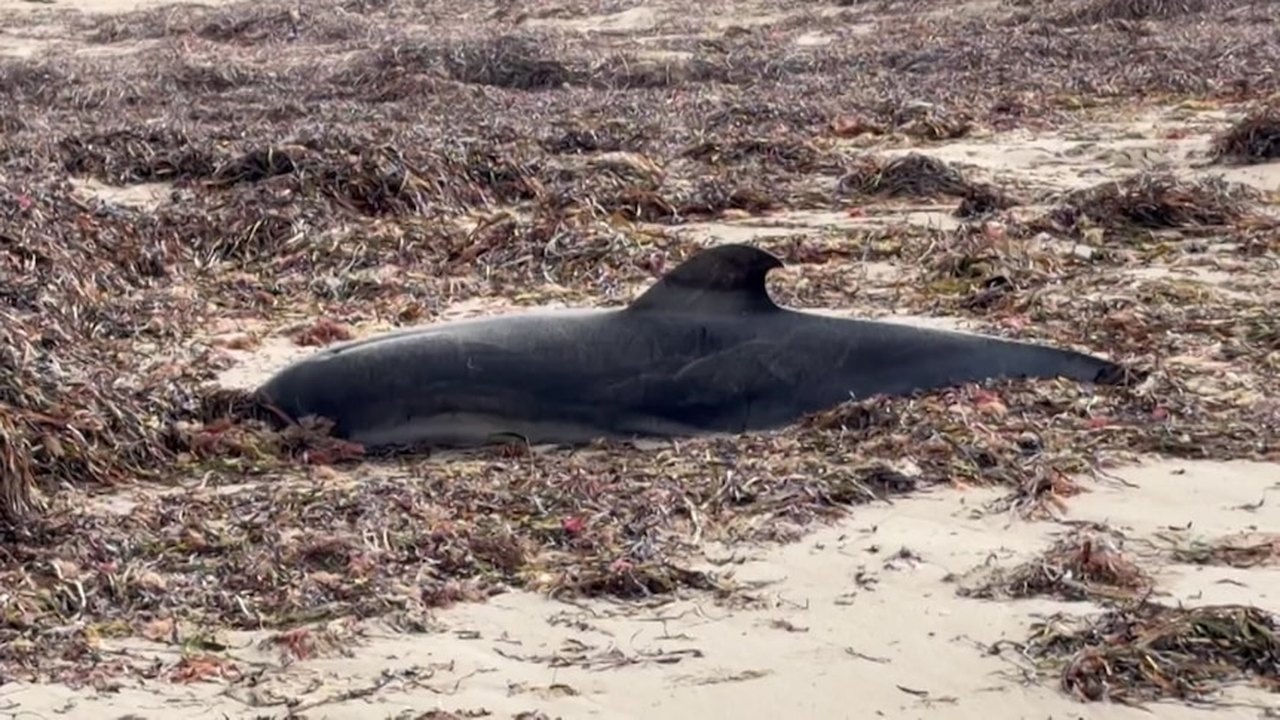 Dead Dolphin Tests Positive for H5 Bird Flu in South Australia
 Could Edible Packaging Help Solve the World’s Plastic Problem?
 World's Biggest Wave Machine Tests Salt Marsh Resilience Against Storms