Breaking the Vicious Cycle: Climate Debt and the Structural Challenges Highlighted Ahead of Cop31
· GlobeWire Daily Climate Desk · Source: www.theguardian.com
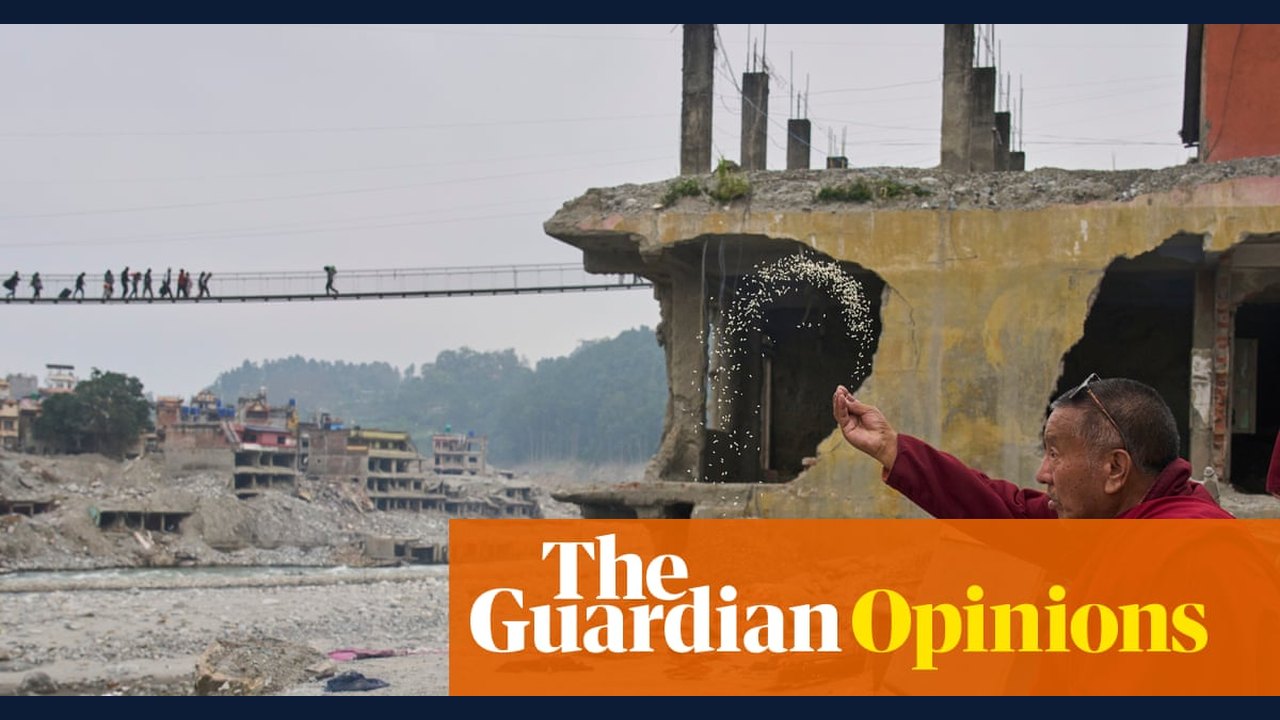
Image: the Guardian · Photo source · Resized and letterboxed to 16:9; no AI generation
Global climate discussions face a mounting structural challenge as developing nations struggle to balance crushing external debt repayments with escalating climate disaster recovery costs. Reports and expert commentary underscore how international financial systems continue to trap vulnerable countries in debt dependency, leaving them with limited resources to prepare for or recover from extreme weather events.
The Nepal Case Study: Disasters Versus Debt
- The Disaster: In August, an avalanche of ice and rock in Nepal's Himalayas triggered deadly floods that destroyed villages, bridges, and roads, leaving thousands dead or missing and wiping out a tenth of the nation's electricity generation.
- Financial Discrepancy: Reconstruction costs are estimated at approximately $5 billion. However, the Loss and Damage Fund allocated just $20 million to Nepal—amounting to less than 5% of the $482 million Kathmandu must pay external public creditors this year.
Systemic Pressures on the Global South
- ActionAid Findings: A September report titled *Debt Fuels the Climate Crisis* noted that external borrowing by the global south is 100 times greater than the climate finance it has received.
- Trade Inequalities: Developing nations frequently export cheap raw materials while importing expensive food, fuel, and manufactured goods priced in dollars.
- Rising Costs: Between 2021 and 2024, developing nation debt increased by 2%, but repayments surged by 28% amid rising US interest rates.
Expert Perspectives and Economic Structures
UN climate chief Simon Stiell described a downward loop where climate risks increase borrowing costs and disasters elevate debt levels, leaving little room for resilience investment. Economist Fadhel Kaboub argues that current international financial, trade, and tax rules entrench historical inequalities, leaving the least responsible nations with the fewest resources.
Proposed Strategies for Cop31
- Collective Bargaining: Experts at Cop31 suggest that the least developed countries emulate middle-power strategies to build regional common markets and green industries.
- Economic Sovereignty: By pooling resources and negotiating as a bloc with major global powers, poorer nations aim to secure technology transfer and investment without accumulating further debt.
Readers can review original institutional reports from organizations like ActionAid and UN climate publications to verify these financial statistics and policy discussions.
AI-assisted reporting; source claims are attributed and have not been independently verified.
More to read
 Super El Niño Threatens to Multiply Climate Risks Ahead of COP31
 African Ministers Denounce 'Broken Promises' as COP31 Climate Talks Face Final-Day Deadlock
 Cop31 Climate Summit Opens in Turkey With Australia Presiding and US Absent
 Who's Who at Cop31: Key Players and Interests at the Antalya Climate Talks