Super El Niño Threatens to Multiply Climate Risks Ahead of COP31
· GlobeWire Daily Climate Desk · Source: www.theguardian.com
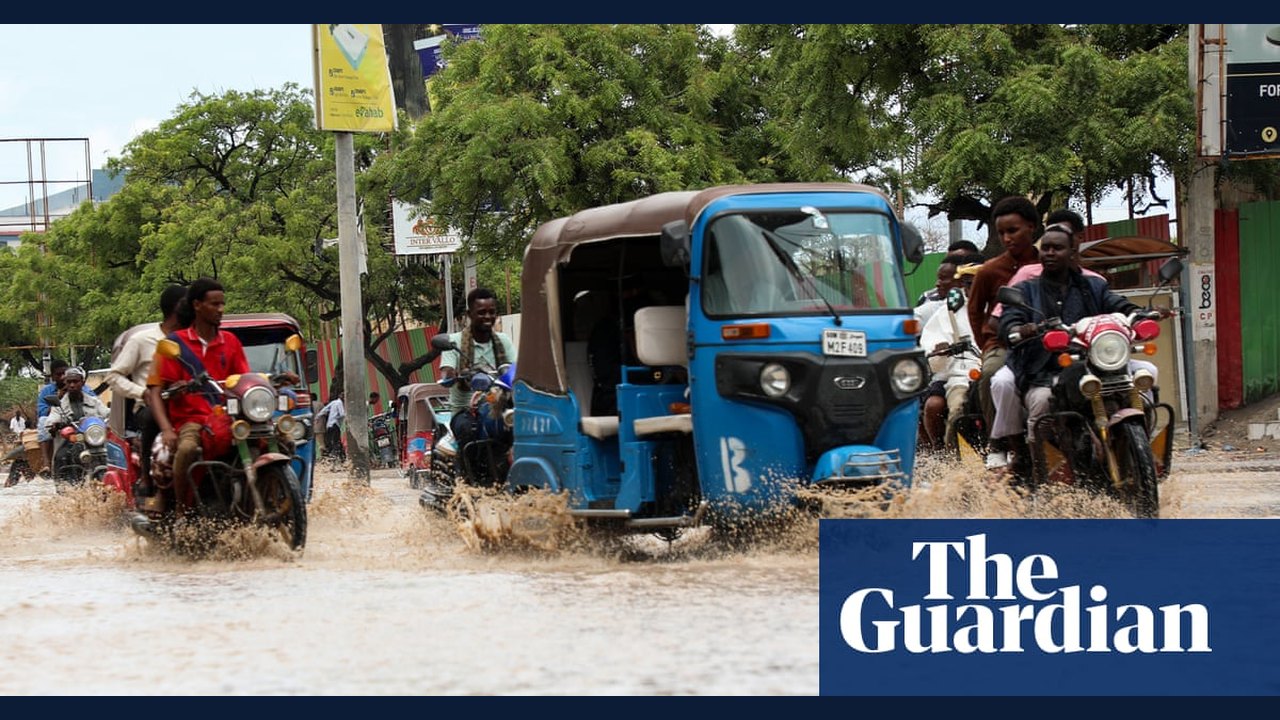
Image: the Guardian · Photo source · Resized and letterboxed to 16:9; no AI generation
Summary
The strongest El Niño in at least a millennium is unfolding as UN climate talks (COP31) take place in Turkey, intensifying already‑severe weather disasters worldwide. Scientists and vulnerable‑country representatives warn that the phenomenon will act as a *risk multiplier*, stretching adaptation finance that is already far short of the $305 billion annual gap identified for 2035.
Key Points
- El Niño intensity – Climate models and the World Meteorological Organization (WMO) describe the current event as the most powerful in 1,000 years, with peak sea‑surface temperatures expected in December 2026.
- Global impacts – Wildfires in Indonesia, crop failures across the Indo‑Pacific, coastal flooding in the United States, severe drought in Sudan, and record floods in Ecuador and Somalia are already linked to the pattern.
- Compounding crises – The Marshall Islands, already battling sea‑level rise, now face a drought that threatens drinking‑water supplies; climate envoy Kathy Jetn̄il‑Kijiner called it a “compounding crisis.”
- Finance shortfall – Wealthy nations pledged to triple adaptation funding, yet only a fraction of the $305 bn needed by 2035 is being delivered. Jetn̄il‑Kijiner says the shortfall is “billions more than we are getting right now.”
- Human displacement – UNHCR forecasts up to 3 million people could be forced to move across Kenya, Somalia, South Sudan and Uganda as drought and crop loss worsen.
- Scientific outlook – Bill Hare of Climate Analytics warns that the El Niño‑boosted heat will likely make 2027 the hottest year on record, with coral bleaching and intensified heatwaves expected.
Practical Implications
- Adaptation planning – Countries should prioritize emergency water‑storage projects, drought‑resilient agriculture, and early‑warning systems before the El Niño peaks.
- Verification – Follow updates from the WMO’s El Niño monitoring page and the UNFCCC’s COP31 live feed for real‑time data on funding pledges and climate‑impact assessments.
- Advocacy – NGOs at COP31 are urging immediate disbursement of pledged funds; civil‑society groups can amplify pressure by tracking the $305 bn financing gap and publishing accountability dashboards.
What Remains Uncertain
- The exact timing of the El Niño’s decline after its December peak.
- Whether additional financing will be unlocked before the end of 2026.
- The full scale of secondary effects such as disease outbreaks linked to water scarcity.
--- *All statements are attributed to the cited speakers or to publicly available UN and WMO data. No original reporting is claimed.*
AI-assisted reporting; source claims are attributed and have not been independently verified.
More to read
 Breaking the Vicious Cycle: Climate Debt and the Structural Challenges Highlighted Ahead of Cop31
 African Ministers Denounce 'Broken Promises' as COP31 Climate Talks Face Final-Day Deadlock
 Cop31 Climate Summit Opens in Turkey With Australia Presiding and US Absent
 Who's Who at Cop31: Key Players and Interests at the Antalya Climate Talks