California's First Recorded Sea Turtle Hatchlings Released Into Pacific Ocean
· GlobeWire Daily Climate Desk · Source: www.theguardian.com
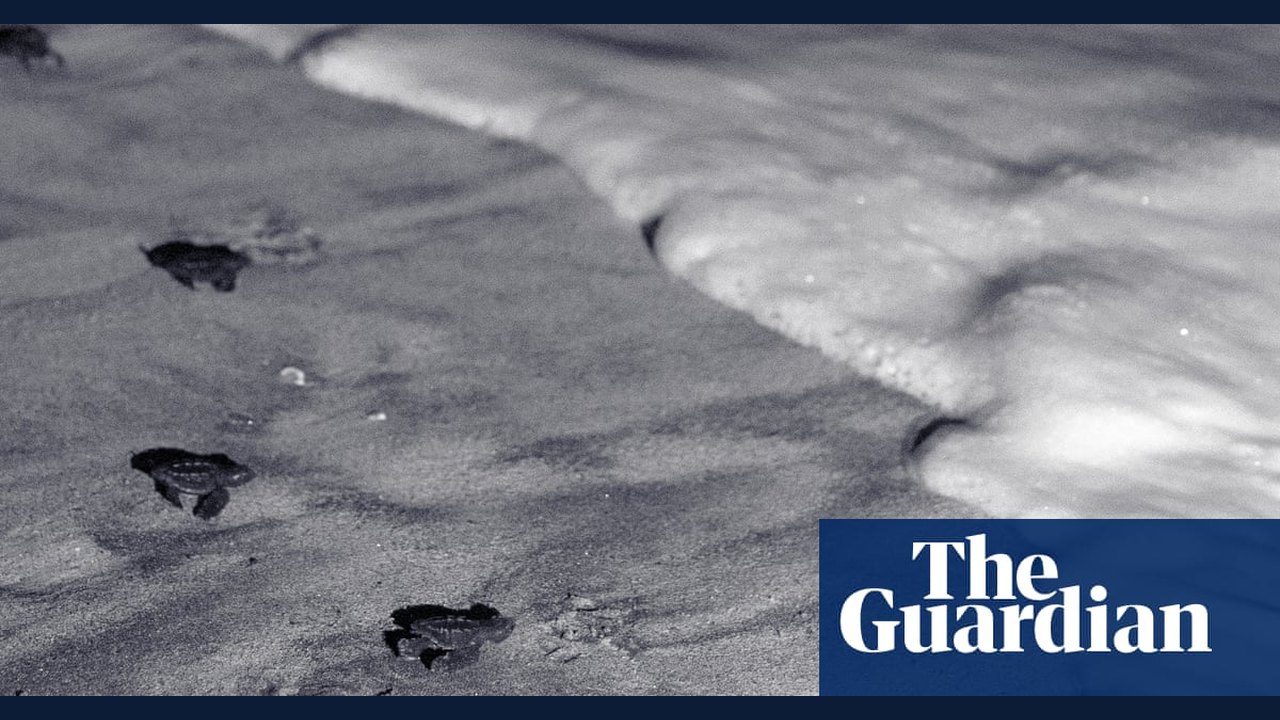
Image: the Guardian · Photo source · Resized and letterboxed to 16:9; no AI generation
Following the historic discovery of the first-ever recorded sea turtle nests on the US west coast in September, 75 native-born olive ridley sea turtles have hatched and been released into the Pacific Ocean. The eggs were incubated at the Aquarium of the Pacific in Long Beach after being relocated from southern California beaches.
On Saturday, the Aquarium of the Pacific announced that the first group of hatchlings from Seal Beach had successfully emerged following a 58-day incubation period. A second group from the Huntington Beach nest was released early Sunday morning. In total, 54 turtles from Seal Beach and 21 from Huntington Beach were returned to the ocean during the early hours.
Historic Discovery and Relocation
The events began on September 16, when an olive ridley sea turtle was observed digging a nest and laying eggs on Seal Beach, marking the first-recorded instance of sea turtle nesting on the US west coast. Just three days later, a second nesting turtle was spotted on Huntington Beach.
Typically found in warmer tropical waters across the Pacific, Indian, and Atlantic oceans, olive ridley sea turtles usually nest as far north as the southern tip of Baja California. To protect the clutch from environmental hazards, researchers from the aquarium, along with federal and local partners, relocated the 204 total eggs to the aquarium's animal care facility in late September as Hurricane Polo began to form.
Potential Causes and Future Implications
Experts note that it remains uncertain why the turtles selected southern California beaches for nesting. However, the Aquarium of the Pacific reported that the behavior was likely influenced by a combination of factors:
- El Niño conditions
- Recent tropical storm activity
- Potential navigational errors
- Species range expansion and behavioral flexibility
Jeff Flocken, president and CEO of the Aquarium of the Pacific, emphasized the need for human adaptation as wildlife responds to environmental changes. Researchers hope that these hatched turtles may one day return to the same beaches to nest, potentially aiding the species in expanding its range.
Ongoing Monitoring and Public Advisory
While the Seal Beach and Huntington Beach hatchlings have safely reached the ocean, monitoring efforts continue. On November 1, a third nest was recorded in Ventura County, though those eggs were lost due to unusually high tides attributed to El Niño conditions. Researchers advise the public to remain vigilant and report any potential future sightings or nests to local wildlife authorities.
AI-assisted reporting; source claims are attributed and have not been independently verified.
More to read
 First Global Guidelines Put Spotlight on Ocean Geoengineering and Carbon Removal Industry
 First Official Trailer Released for Indie Drama 'Bedford Park' Starring Moon Choi and Son Sukku
 First Teaser Trailer Released for Political Thriller 'Killing Castro' Starring Diego Boneta and Al Pacino
 Apple Released Its First Touchscreen MacBook, But Did It Choose the Wrong Model?