Calls Grow for UN Biodiversity Summit Reforms as Cop17 Concludes Amid Target Shortfalls
· GlobeWire Daily Climate Desk · Source: www.theguardian.com

Image: the Guardian · Photo source · Resized and letterboxed to 16:9; no AI generation
As the UN biodiversity Cop17 summit concluded in Yerevan, Armenia, on Saturday following overnight negotiations, critics and officials have intensified calls for major structural reforms. Reports indicate that governments remain far off track from meeting global nature targets, continuing a 34-year historical trend under the convention.
The two-week conference ended with countries vowing to redouble efforts toward decade goals, which include protecting 30% of the planet for nature, restoring nearly a third of degraded ecosystems, and reforming $500bn in environmentally damaging subsidies. However, independent assessments and officials noted that almost all current targets are being missed, with the UK set to meet only three of its 23 goals.
Key Outcomes and Debates
During the concluding sessions, delegates signed off on measures to ramp up action on existing targets and reaffirmed an aspiration to increase biodiversity finance to $30bn annually by the end of the decade.
Negotiations faced friction as countries such as Argentina, Saudi Arabia, and Russia reportedly pushed to water down language regarding environmental ambition. Furthermore, divisions persisted among wealthier nations regarding donor contributions, particularly concerning the classification of countries like China and several Gulf states as developing nations despite significant economic growth.
Key decisions regarding a fund to mobilise resources from digital biodiversity industries—such as pharmaceutical companies—were postponed to the next summit in Ecuador, scheduled for two years' time. Reports noted that the fund, initially envisioned to generate £1bn annually, has raised just over $10,000 so far.
Criticisms of the Summit Process
- Consensus Rule Challenges: Panama’s environment minister, Juan Carlos Navarro, criticized the consensus-based framework, arguing that the current design allows single nations to stall progress and that decisions should rely on majority voting.
- Consolidation Calls: Some officials suggested merging various environmental conventions to reduce procedural overlap and streamline efforts.
- Implementation Focus: Ruth Davis, the UK’s nature envoy, emphasized the need for the process to deliver tangible outcomes for citizens rather than merely procedural commitments.
Practical Implications and Verification
The ongoing discussions highlight systemic challenges in global environmental governance. Observers can review official UN Environment Programme (UNEP) portals and documentation from the Yerevan summit to verify conference resolutions, state pledges, and scheduled follow-up meetings in Ecuador.
AI-assisted reporting; source claims are attributed and have not been independently verified.
More to read
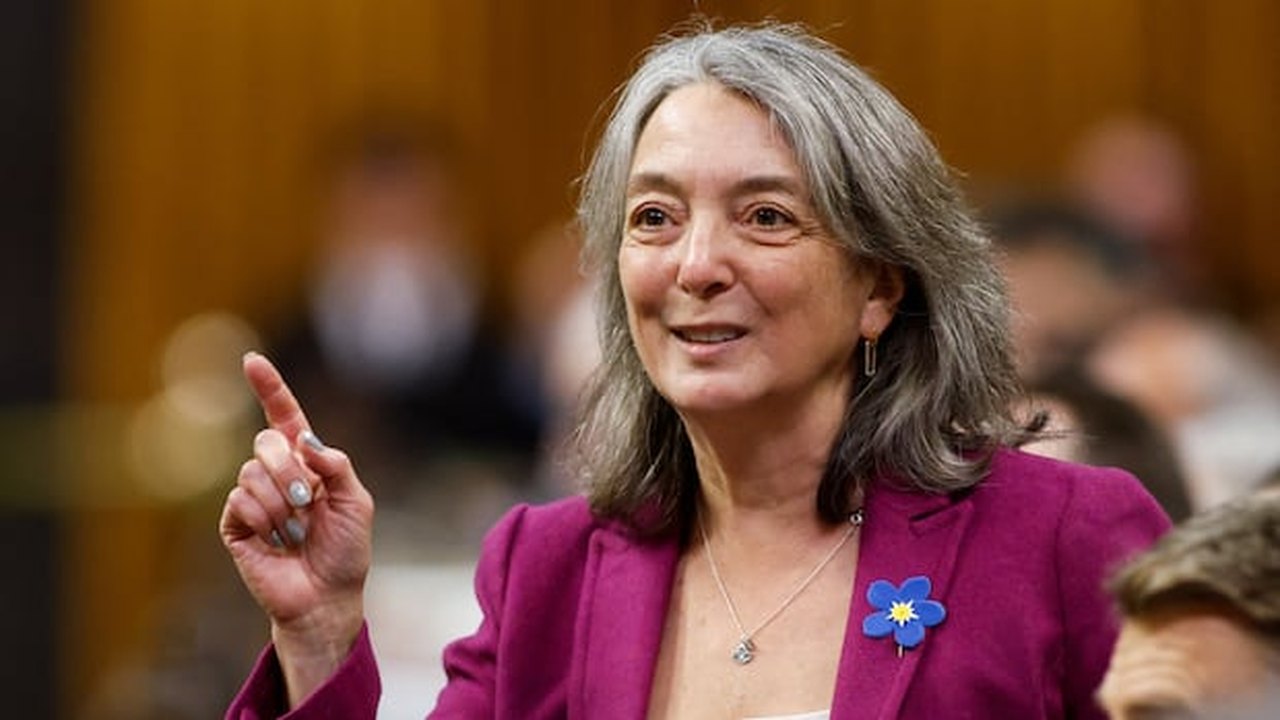 Canada Faces Scrutiny Over Environmental Policy Incoherence Ahead of COP17 Biodiversity Summit
 Sustainability 360° Bulletin Highlights COP17 Armenia Biodiversity Discussions and UN Emission Warnings
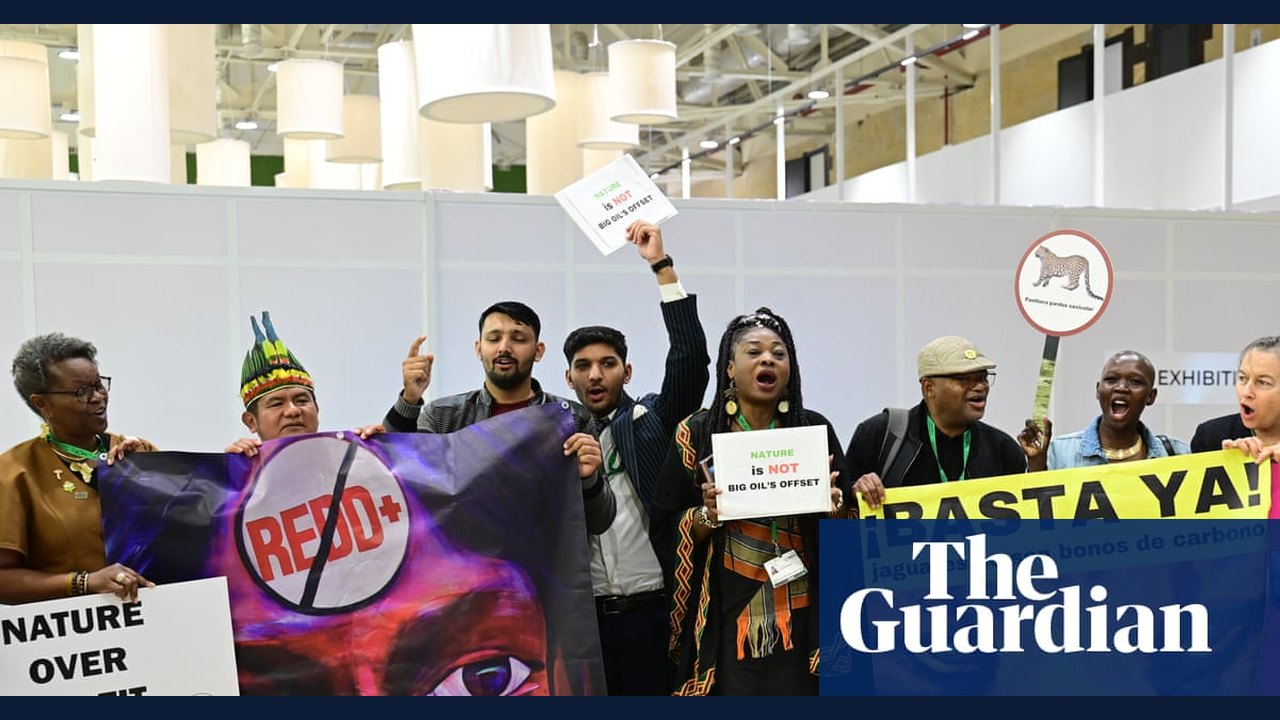 Biodiversity Cop17 in Armenia Stalls as Experts Question the Future of UN Summits
 Wildlife Trusts Reach £30M Target to Purchase and Rewild Rothbury Estate in Northumberland
Trending on GlobeWire Daily
Selected from recent coverage and related topics; not live search rankings.
 Madhya Pradesh Government Plans Revenue Generation from 117-Year-Old Edward Villa in Mumbai Through Leasing
 iPhone 18 Pro Named TechRadar Product of the Year 2026
 Google Project Suncatcher Runs Gemma 4 AI on Orbiting Satellite and Receives First Response
 Gender Disparities in Eye Care Access Across India Examined
 Satellite Images Show Cyclone Arnab Weakening Over India As New System Brews
 Expanding Green and Blue Spaces Crucial for India's Economic and Public Health, Reports Indicate