How Restrictive Covenants Limit Supermarkets in US Cities, and Why States Are Banning Them
· GlobeWire Daily Climate Desk · Source: www.theguardian.com
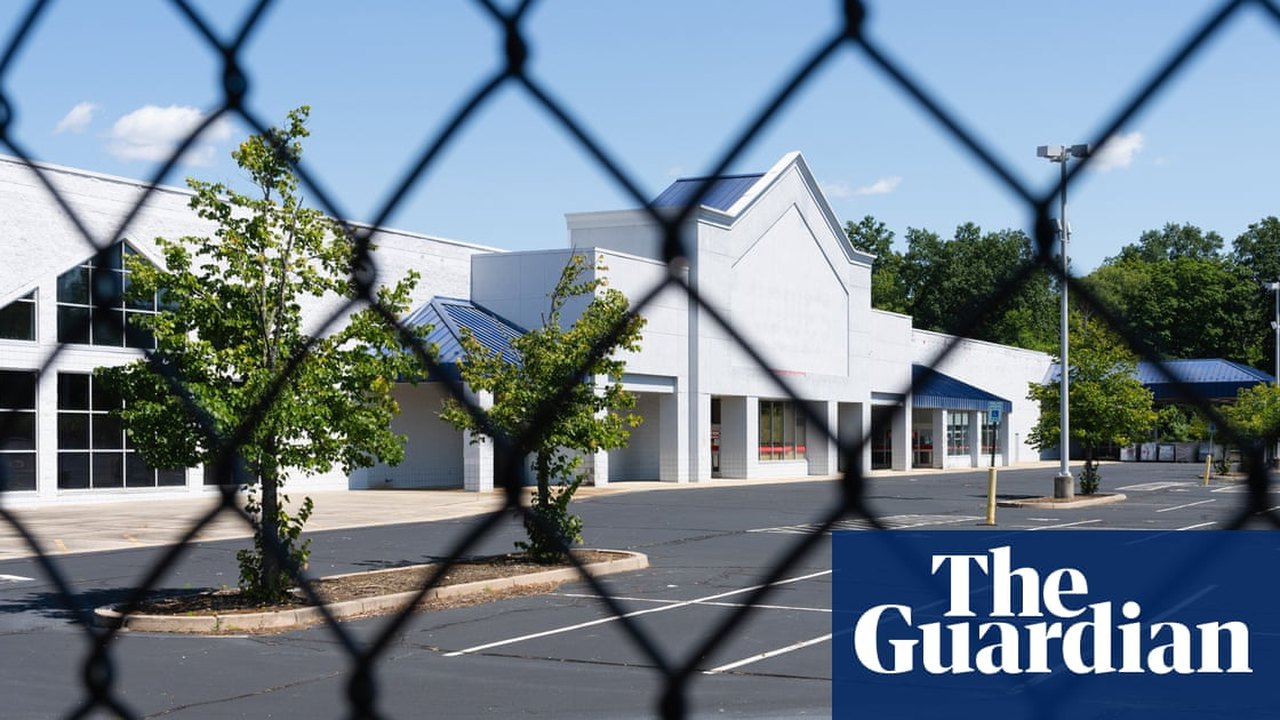
Image: www.theguardian.com — Creative Commons
The Grocery Access Challenge in Woonsocket
In Woonsocket, Rhode Island, a city of 45,000 residents where roughly 37% experience food insecurity, grocery choices have dwindled significantly over decades. Today, the community relies primarily on a single full-service supermarket, a Price Rite located in a strip mall, alongside a Dollar General and limited community-led produce distributions. Residents without personal vehicles face additional hurdles travelling beyond city borders to access alternative stores.
While multiple factors influence local food availability, housing and commercial real estate records reveal that anti-competitive practices have played a direct role in shaping the local retail landscape.
What Are Supermarket Restrictive Covenants?
Large grocery chains often incorporate restrictive covenants into property deeds or leases when they vacate a building. These provisions frequently prohibit future tenants from selling food in that specific location, sometimes for decades. The agreements are designed to prevent rival grocers from operating in the space and to encourage shoppers to follow the departing chain to newer or distant locations.
In Woonsocket, investigators identified at least three such covenants limiting grocery access. These include provisions tied to spaces vacated by Stop & Shop in 2004 and Walmart in 2011, the latter of which barred both grocers and pharmacies from occupying the abandoned building.
Legislative Pushback and State Bans
To counter these practices, Rhode Island enacted legislation in July as part of Lieutenant Governor Sabina Matos’s Fair Price Grocery Agenda, making it the second state to ban scorched-earth restrictive covenants. Similar prohibitions have been established in Chicago, Washington DC, Madison, Wisconsin, and the state of Washington. Lawmakers in California have also advanced legislation addressing the issue.
Proponents argue that banning these clauses removes artificial barriers for independent grocers and new market entrants. However, experts note that existing covenants often remain active because new state laws typically lack retroactive provisions, meaning older agreements will run their contractual course unless challenged or voluntarily released.
Practical Implications and What Readers Can Verify
For consumers and independent operators, navigating food access involves several verifiable factors:
- Check Official Actions: Readers can review state legislative updates, such as Rhode Island's Fair Price Grocery Agenda, through official state government portals.
- Examine Local Real Estate Records: Uncovering restrictive covenants requires searching municipal databases, state business filings, and property deeds, a process undertaken by municipal researchers and advocacy groups.
- Understand Limitations: While bans prevent future restrictive covenants on new leases, they do not automatically invalidate existing, legally binding contracts unless specific retroactive mechanisms are established by lawmakers.
For complete details and background on the legislative push against restrictive covenants, readers can review the original coverage at [The Guardian](https://www.theguardian.com/environment/2026/aug/28/rhode-island-grocery-store-restrictive-covenants).
AI-assisted reporting; source claims are attributed and have not been independently verified.
More to read
 Four Years After Historic UN Biodiversity Deal, Global Targets Face Severe Implementation Gaps
 First Dog on the Moon Publishes Cartoon Celebrating Small Acts of Animal Kindness
 Unpublished Report Warns Feral Deer Threaten Australia Unless Urgent Action Is Taken
 Severe El Niño Drought Triggers National Crisis Warnings Across Papua New Guinea
Trending on GlobeWire Daily
Selected from recent coverage and related topics; not live search rankings.
Four Years After Historic UN Biodiversity Deal, Global Targets Face Severe Implementation Gaps Bihar Museum Ranks Ninth Globally, Sparking Praise From Anand Mahindra and an Official Invitation From State Leadership
 Latin’s Enduring Benefits: Teachers Report Lifelong Skills From Classical Studies
 ISRO Employee Associations Seek Official Clarification Amid Space Sector Privatisation Push
 State Bank of India Fixed Deposit Interest Rates: Overview of Tenures and Returns for General and Senior Citizens
 Qualcomm Opens Application Process for Associate Software Engineer Role in Bengaluru