Severe El Niño Drought Triggers National Crisis Warnings Across Papua New Guinea
· GlobeWire Daily Climate Desk · Source: www.theguardian.com
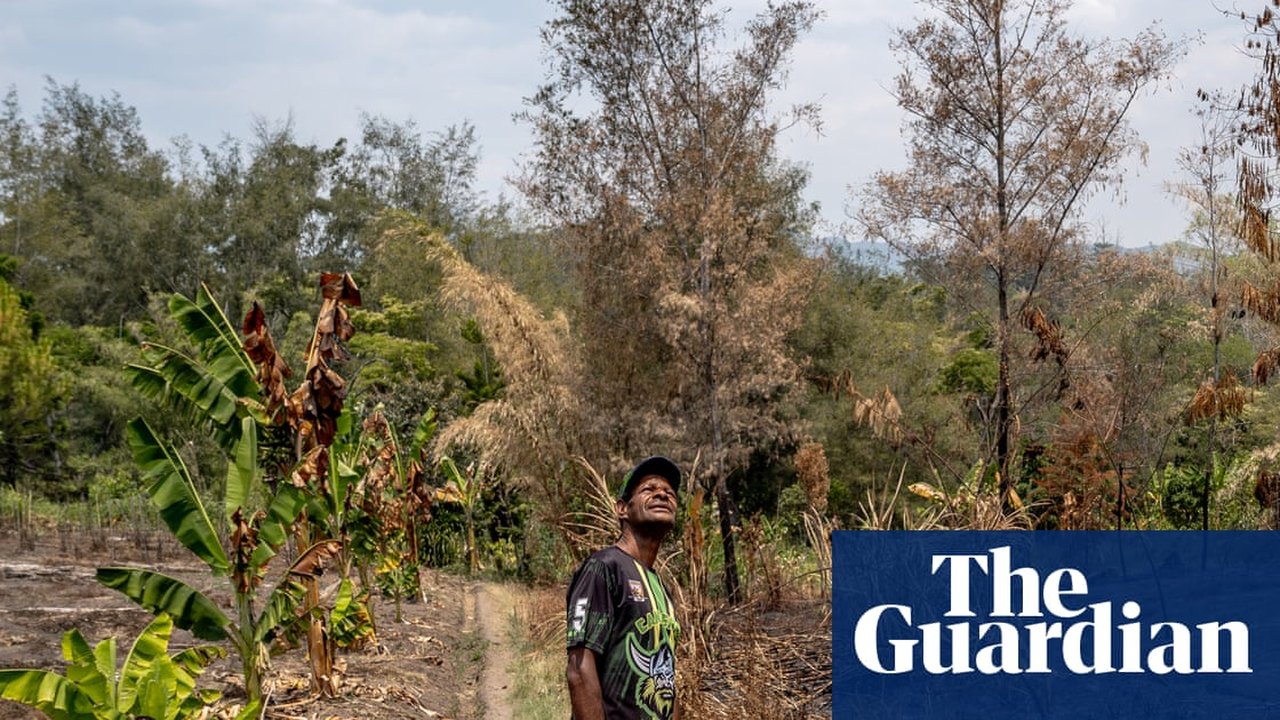
Image: www.theguardian.com — Creative Commons
Escalating Water and Food Shortages
A severe drought driven by an historic El Niño climate pattern is impacting approximately 8 million people across Papua New Guinea, leading to widespread food shortages, electricity blackouts, and the early closure of schools and health clinics. An influential coalition comprising churches, trade unions, and business groups has declared the situation a national crisis, pointing to a lack of a coordinated plan to protect vulnerable populations from the worsening conditions.
Rivers and creeks have dried up across multiple regions, destroying family food gardens that serve as a vital source of sustenance and income. According to humanitarian organizations, families in rural highland areas have been forced to ration meals to just once a day. The water scarcity has also introduced heightened protection risks, with women and girls traveling several hours to source water and food.
Meteorological Background and Regional Impacts
The PNG National Weather Service declared the onset of El Niño in June, noting that much of the country was already experiencing drought conditions by that time. Officials explained that warm tropical waters typically feed the nation's heavy rainfall, but the current El Niño has caused those waters to shift eastward, starving the region of rain. Some areas have recorded less than a quarter of their usual rainfall since August.
In Morobe province’s Bulolo district, dried-up rivers have left residents without adequate water for drinking, cooking, or washing. Local schools and health centers are operating on half-day schedules, and some clinics have stopped accepting inpatients due to water shortages. In Enga province, an unrelated destructive hailstorm earlier in the month buried sweet potato crops under ice, further compounding food scarcity issues.
Infrastructure and Urban Consequences
The crisis has also reached urban centers. In the capital, Port Moresby, PNG Power initiated planned electricity blackouts after falling dam levels reduced hydropower generation. Utility officials warned that disruptions could persist for up to 10 months as they manage remaining water reserves to protect the city's municipal supply. Additionally, smoke haze has settled over the capital due to fires on the island and in Indonesia, which scientists attribute to El Niño conditions.
Prime Minister James Marape has directed provincial and district authorities to prepare for a prolonged dry season and stated that the cabinet is reviewing financial arrangements to support localized disaster responses. Business and community leaders, however, continue to press for comprehensive assessments and targeted interventions for rural communities bearing the brunt of the dry spell.
Practical Implications and Verification
Readers seeking to understand the ongoing situation can review several confirmed facts alongside currently unknown variables based on available reports:
- Confirmed Facts: An El Niño event has significantly reduced rainfall across Papua New Guinea since August, affecting an estimated 8 million people. Hydropower generation in Port Moresby has been curtailed, resulting in planned blackouts. Humanitarian groups report reduced food intake and water scarcity in rural areas.
- Unknown Variables: The exact long-term duration of the shortened wet season between November and April remains uncertain, along with the full cumulative economic and agricultural toll of the drought.
- How to Verify: Readers can review the original reporting and ongoing updates directly through [The Guardian's coverage](https://www.theguardian.com/world/2026/oct/30/png-el-nino-drought-papua-new-guinea) or consult statements issued by the Papua New Guinea National Weather Service and CARE International.
AI-assisted reporting; source claims are attributed and have not been independently verified.
More to read
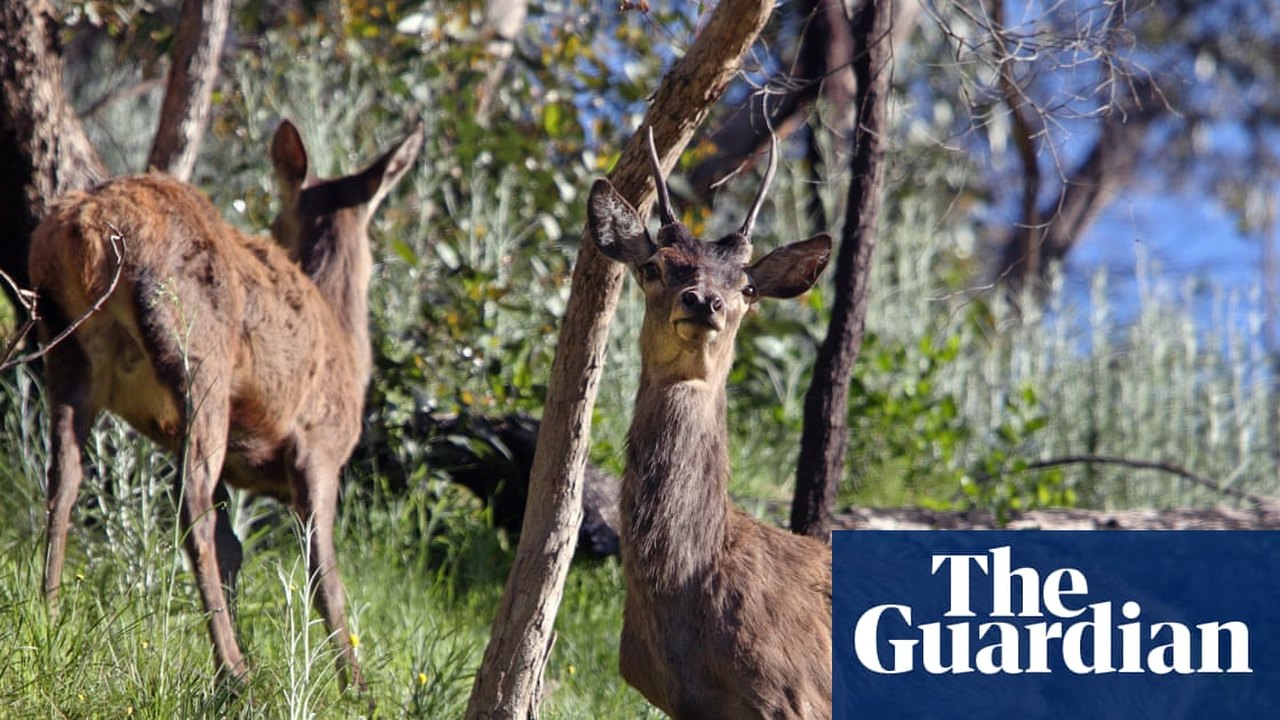 Unpublished Report Warns Feral Deer Threaten Australia Unless Urgent Action Is Taken
 Years After Fatal Heatstroke on North Carolina Farm, Contractor Continues Hiring Hundreds of Migrant Workers
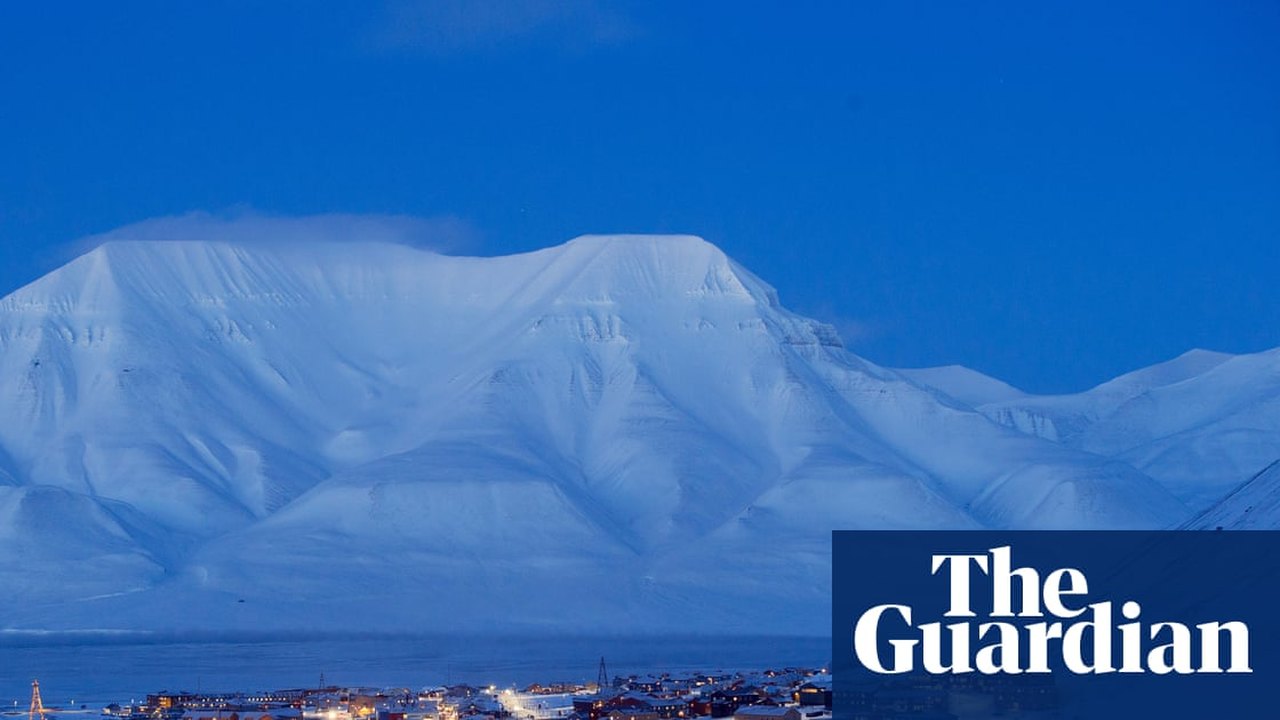 Climate-Related Thawing Permafrost Contaminates Drinking Water in Norwegian Arctic Settlement
 UK Energy Budget Cuts Threaten Green Heating Targets as Funds Shift to Defence
Trending on GlobeWire Daily
Selected from recent coverage and related topics; not live search rankings.
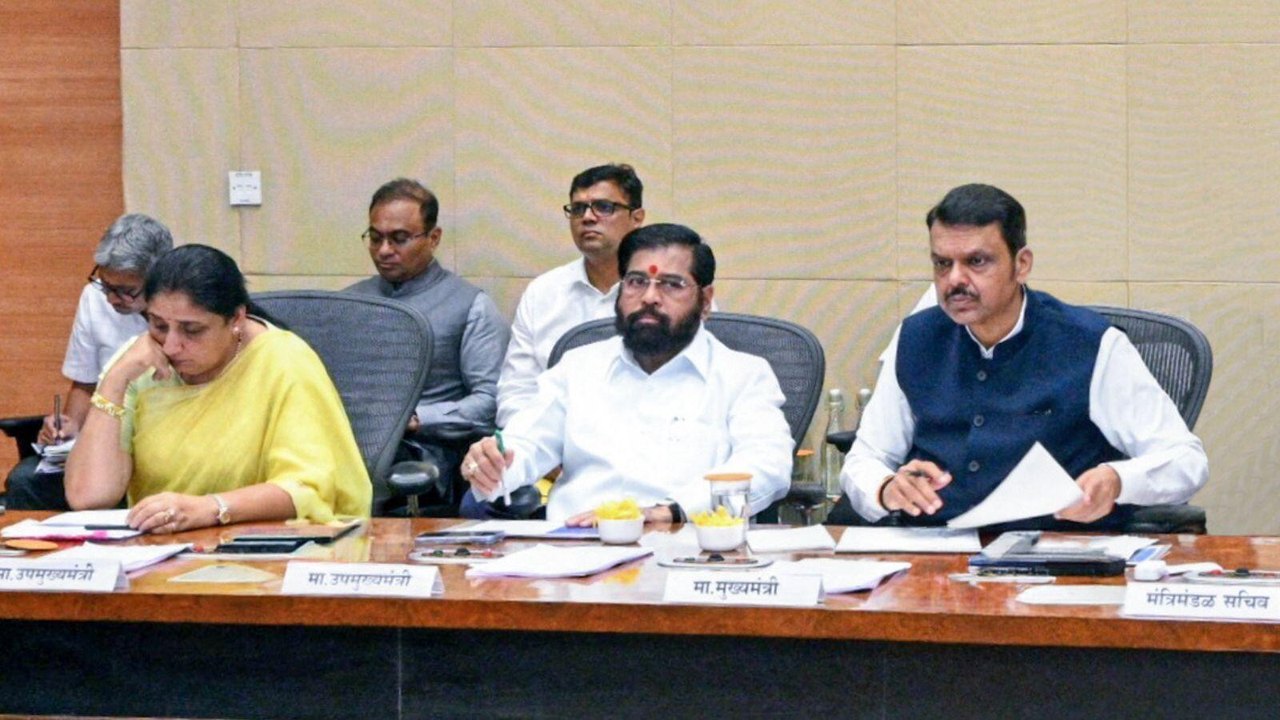 Maharashtra Government Announces ₹5,000 Financial Assistance for Drought-Affected Farmers
 Delhi Police Special Cell Investigates Controversial Anti-Government Posters Found on Airport Express Metro Line
 Karnataka Government Approves Prosecution of IAS Officer Gyanendra Kumar Gangwar in KPSC Paper Leak Case
 American India Foundation Seeks Chief Finance and Operating Officer for New Delhi Leadership Team
 Supreme Court Invites Applications for 20 Court Master Posts in New Delhi
 First Known Human Case of Shamonda Virus Confirmed in France Following Patient's Death