Climate-Related Thawing Permafrost Contaminates Drinking Water in Norwegian Arctic Settlement
· GlobeWire Daily Climate Desk · Source: www.theguardian.com
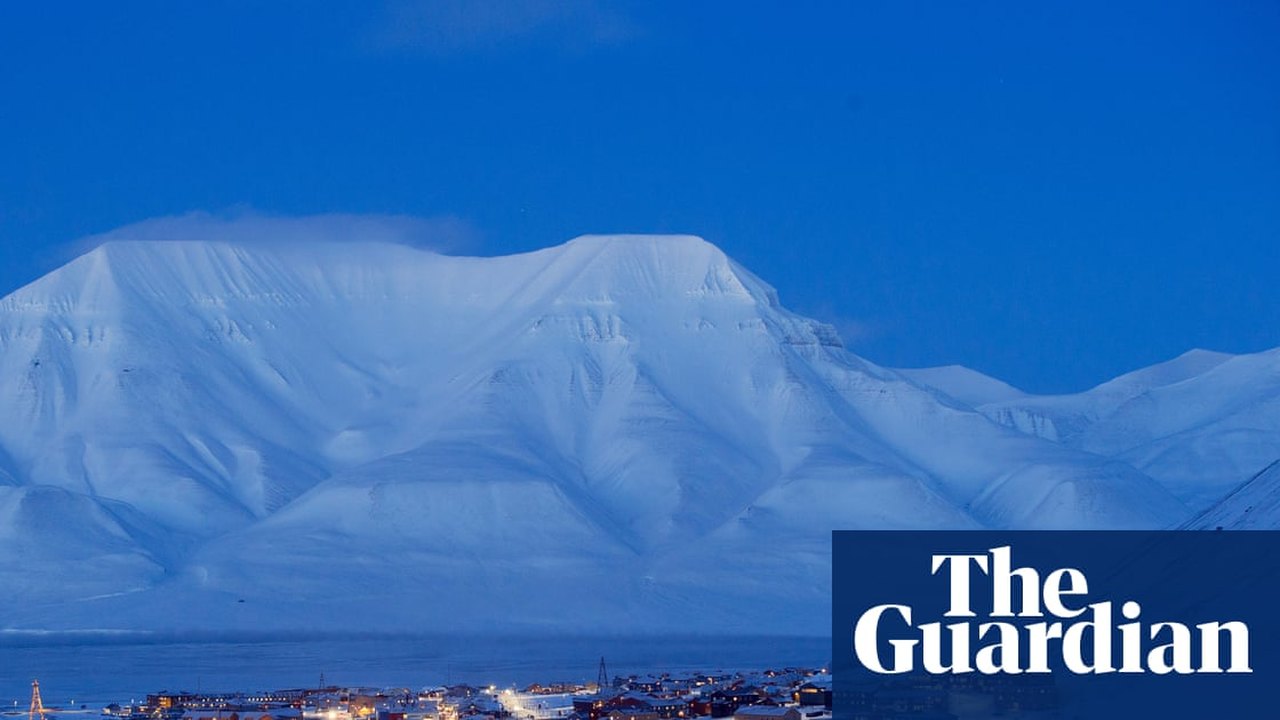
Image: www.theguardian.com — Creative Commons
Tap Water Ban Issued in Svalbard Following Heavy Metal Leaching
Residents of the remote Arctic community of Longyearbyen in Norway's Svalbard archipelago have been advised that local tap water is no longer safe to drink. Municipal authorities implemented the restriction after researchers linked climate-related permafrost thawing to heavy metal contamination in the town's primary water source.
Located 800 miles from the North Pole, Longyearbyen is experiencing some of the most rapid warming on the planet, with temperatures increasing at five to seven times the global average rate. Scientists note that autumn temperatures in the region have risen by up to 4 degrees Celsius per decade.
The Cause: Thawing Permafrost and Local Geology
Longyearbyen draws its primary drinking water from Isdammen, a 2.5-kilometer (1.5-mile) dammed lake. According to experts at the University Centre in Svalbard, rising temperatures have thawed the permafrost—ground that remains frozen year-round—exposing underlying bedrock.
The contamination stems from a combination of thawing ground and the local geology of the former mining settlement. The shale bedrock contains pyrite, commonly known as fool's gold. When exposed to oxygen and water through the thawing process, pyrite oxidizes and generates acidity. This acid then leaches heavy metals from the surrounding rocks into local waterways.
In September of last year, the municipality, Longyearbyen lokalstyre, alerted its 2,600 residents after discovering that manganese levels in the water supply exceeded recommended thresholds by a factor of 25, according to the Norwegian Institute of Public Health. Although manganese levels later decreased, subsequent testing earlier this year revealed that sulphate and nickel concentrations also exceeded safe drinking water limits, keeping the consumption ban in place.
Emergency Measures and Long-Term Solutions
To mitigate the disruption, emergency measures were deployed for the community's 2,600 residents. These included setting up a central tank of purified water, filtered by a local brewery, where residents could fill containers at the local supermarket.
Longyearbyen Mayor Terje Aunevik commissioned an investigation into the water quality and noted that building a completely new water mains supply may be necessary. Potential engineering solutions under review include installing a filtration system at Isdammen and establishing a desalination plant as a backup. However, officials noted that implementing these infrastructure fixes in Svalbard's extreme sub-zero temperatures presents significant technical hurdles and high costs.
Practical Implications and Reader Verification
What is Confirmed Versus Unknown
- Confirmed: Tap water in Longyearbyen is restricted due to elevated levels of manganese, sulphate, and nickel. Scientists attribute this to thawing permafrost interacting with pyrite-bearing bedrock. Emergency water distribution methods have been established.
- Unknown: The final engineering solution, total project costs, and the exact timeline for restoring permanent, safe tap water remain undetermined.
Practical Implications for Residents and Other Communities
- Residents must continue using alternative water sources provided by the municipality.
- Researchers warn that other Arctic settlements in regions like northern Canada and Alaska, which share similar geology and face rapid warming, may encounter comparable freshwater challenges as permafrost thaws.
How to Verify
Readers can review the official context, background details, and updates regarding the ongoing situation through the original reporting published by The Guardian at [The Guardian's Environment Section](https://www.theguardian.com/environment/2026/oct/19/tap-water-no-longer-drinkable-norwegian-town-climate-related-thawing-heavy-metals-arctic-longyearbyen-svalbard).
AI-assisted reporting; source claims are attributed and have not been independently verified.
More to read
 Severe El Niño Drought Triggers National Crisis Warnings Across Papua New Guinea
 Years After Fatal Heatstroke on North Carolina Farm, Contractor Continues Hiring Hundreds of Migrant Workers
 UK Energy Budget Cuts Threaten Green Heating Targets as Funds Shift to Defence
 AI and Climate Risks Converge as Corporate Power Fuels New Threats
Trending on GlobeWire Daily
Selected from recent coverage and related topics; not live search rankings.
 Maharashtra Government Announces ₹5,000 Financial Assistance for Drought-Affected Farmers
 Delhi Police Special Cell Investigates Controversial Anti-Government Posters Found on Airport Express Metro Line
 Karnataka Government Approves Prosecution of IAS Officer Gyanendra Kumar Gangwar in KPSC Paper Leak Case
 Delhi to Install First‑Aid Medical Rooms in All 1,086 Government Schools, Spending ₹48.87 crore annually
 American India Foundation Seeks Chief Finance and Operating Officer for New Delhi Leadership Team
 Supreme Court Invites Applications for 20 Court Master Posts in New Delhi